
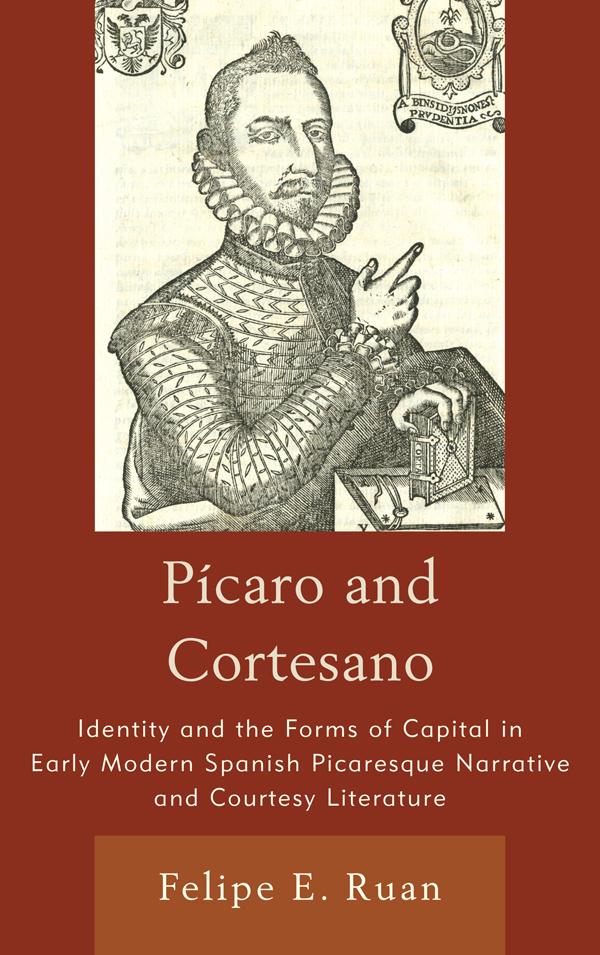
In this book on the relationship between pícaro and cortesano, Felipe E. Ruan argues that these two cultural figures are linked by a shared form of deportment centered on prudent self-accommodation. This behavior is generated and governed by a courtly ethos or habitus that emerges as the result of the growth and influence of the court in Madrid. Ruan posits that both pícaro and cortesano, and their respective books, conduct manual and picaresque narrative, tacitly engage questions of identity and individualism by highlighting the valued resources or forms of capital that come to fashion and sustain self-identity. He places the books of the pícaro and cortesano within the larger polemic of early modern identity and individualism, and offers an account of the individual as agent whose actions are grounded on objective social relations, without those actions being simply the result of mechanistic adherence to the social order.
Pay easily by card, Klarna, Apple Pay or Google Pay. Not happy? You always have a 14-day money-back guarantee. Read more in our terms. If you have any questions, email us at hello@memmo.org.
Memmo makes studying easier – wherever you are in the world. We bring your course books and smart study tools together in one place: summaries, quizzes, podcasts and flashcards. Plus Ted, your study buddy who answers anything you wonder. Over 50,000 students already study here – built to help you learn faster and stress less.