
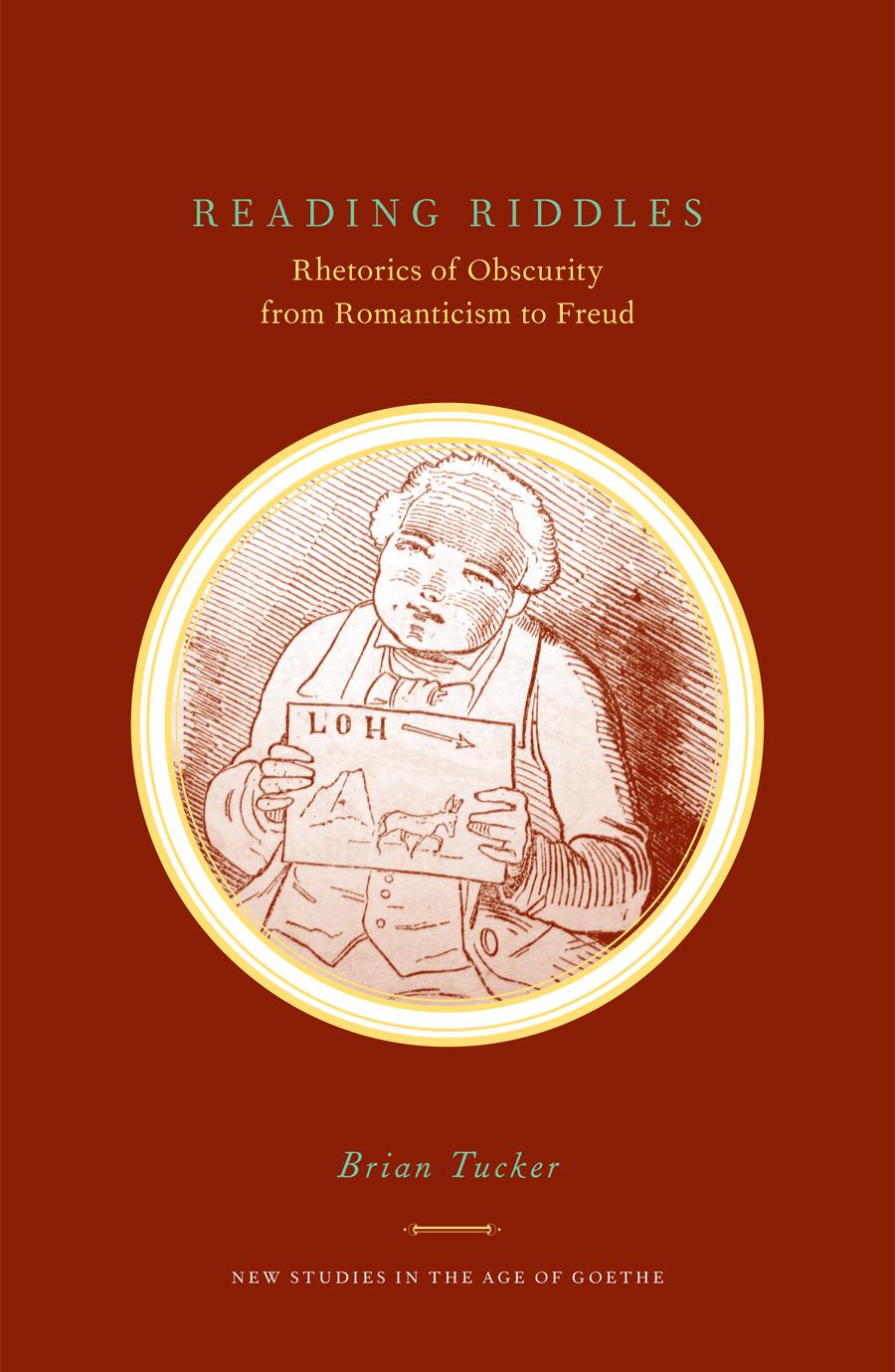
Reading Riddles: Rhetorics of Obscurity from Romanticism to Freud explores how the riddle becomes a figure for reading and writing in early German Romanticism and how this model then enables Sigmund Freud's approach to the psyche. It traces a migration of ideas from literature to psychoanalysis and argues that the relationship between them must be situated at the methodological level. Through readings of texts by August Wilhelm, Friedrich Schlegel, G.W.F. Hegel, and Ludwig Tieck Reading Riddles documents how the Romantics expand the field of poetic signification to include obscure, distorted signs and how they applied this rhetoric of obscurity to the self. The book argues that this model of self and signification plays a central role in the formulation of Freud's psychoanalytic theory. If the self is a riddle, as many in the nineteenth century claim, Freud takes the figure seriously and interprets the mind according to all the structures and techniques of that textual genre.
Pay easily by card, Klarna, Apple Pay or Google Pay. Not happy? You always have a 14-day money-back guarantee. Read more in our terms. If you have any questions, email us at hello@memmo.org.
Memmo makes studying easier – wherever you are in the world. We bring your course books and smart study tools together in one place: summaries, quizzes, podcasts and flashcards. Plus Ted, your study buddy who answers anything you wonder. Over 50,000 students already study here – built to help you learn faster and stress less.