
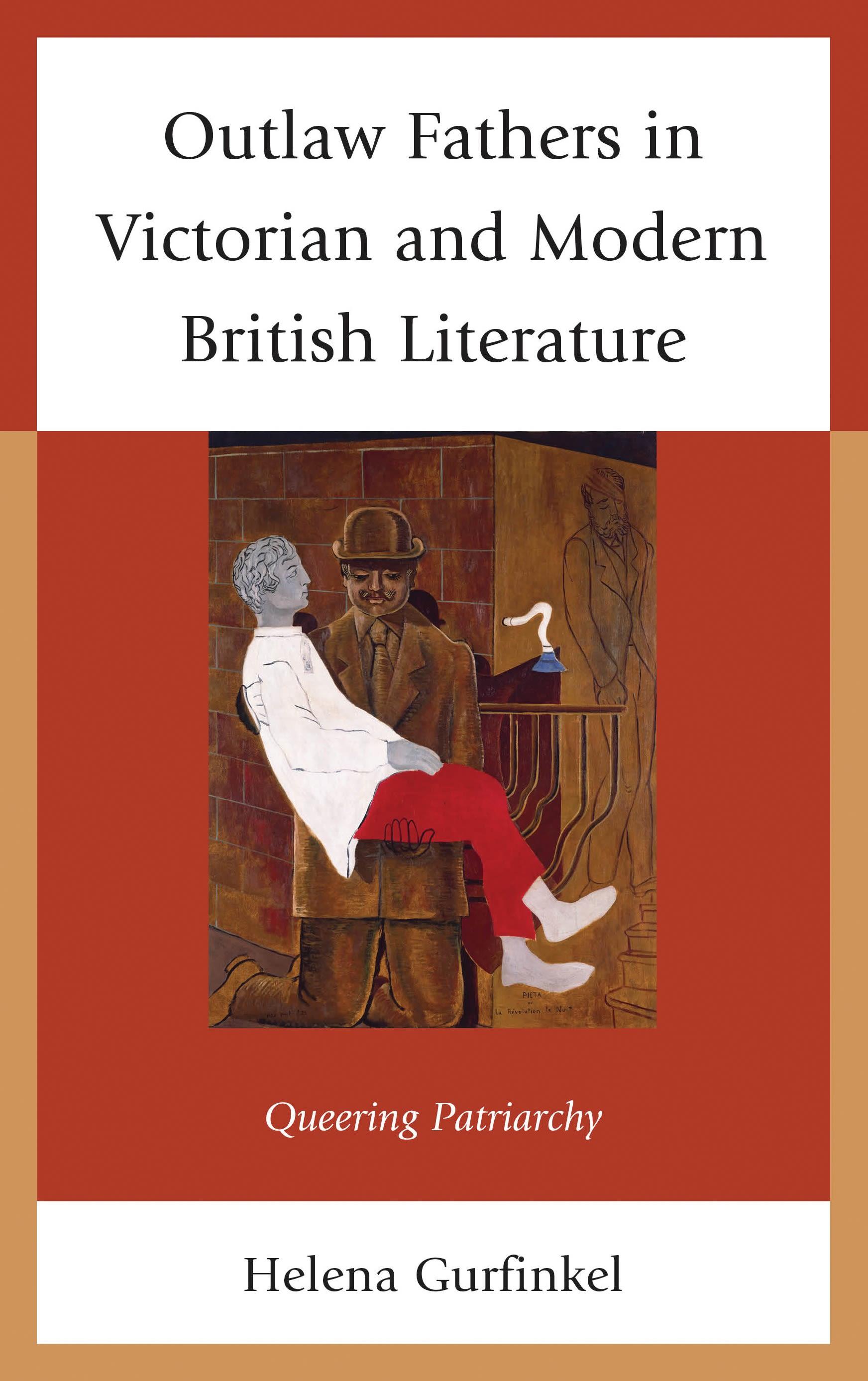
Outlaw Fathers in Victorian and Modern British Literature: Queering Patriarchy traces the representations of outlaw fathers, or queer patriarchs, and their relationships with their queer sons, in a particular literary tradition: mid-to-late-Victorian and twentieth-century British fiction and memoir. Specifically, I look at such representations in Anthony Trollope’s Doctor Thorne (1858) and The Prime Minister (1875-76) (while also drawing on An Autobiography (1883) and The Duke’s Children (1880)); Samuel Butler’s The Way of All Flesh (published in 1901), Henry James’s “The Lesson of the Master” (1888), J. R. Ackerley’s My Father and Myself (written in the 1930s and published in 1968), E. M. Forster’s “Little Imber” (1961) (with an occasional detour into The Longest Journey (1907), Howards End (1909), and Maurice (published in 1971)), and Alan Hollinghurst’s The Spell (1998). In the coda, I consider the implications of including transgender, transnational female-to-male fathers of color in the ranks of queer patriarchy and discuss two contemporary novels, Jackie Kay’s Trumpet (1998, Scotland) and Patricia Powell’s The Pagoda (1998, Jamaica and the United States), as well as—briefly—an episode an episode of the television show The L-Word (2008) and the documentary U-People (2007).
The term “queer patriarchy” has two components. The first one is a non-traditional, primarily—but not exclusively—non-heterosexual, pervasively present, and culturally important, paternal subjectivity. The second one is the bond between such queer paternal figures and their sons, biological and non-biological. This study pays attention primarily to the relationship between psyche, language, and ideology, but it will join a larger conversation about the changing roles of men in general and fathers in particular, which is taking place outside of the field of literary studies.
The term “queer patriarchy” has two components. The first one is a non-traditional, primarily—but not exclusively—non-heterosexual, pervasively present, and culturally important, paternal subjectivity. The second one is the bond between such queer paternal figures and their sons, biological and non-biological. This study pays attention primarily to the relationship between psyche, language, and ideology, but it will join a larger conversation about the changing roles of men in general and fathers in particular, which is taking place outside of the field of literary studies.
Pages: 264
Category: Litteraturvetenskap & Teori
e-ISBN: 9781611476385
Shipping weight: 1.2 kg
Ships in: 1-2 days
Pay easily by card, Klarna, Apple Pay or Google Pay. Not happy? You always have a 14-day money-back guarantee. Read more in our terms. If you have any questions, email us at hello@memmo.org.
Memmo makes studying easier – wherever you are in the world. We bring your course books and smart study tools together in one place: summaries, quizzes, podcasts and flashcards. Plus Ted, your study buddy who answers anything you wonder. Over 50,000 students already study here – built to help you learn faster and stress less.