
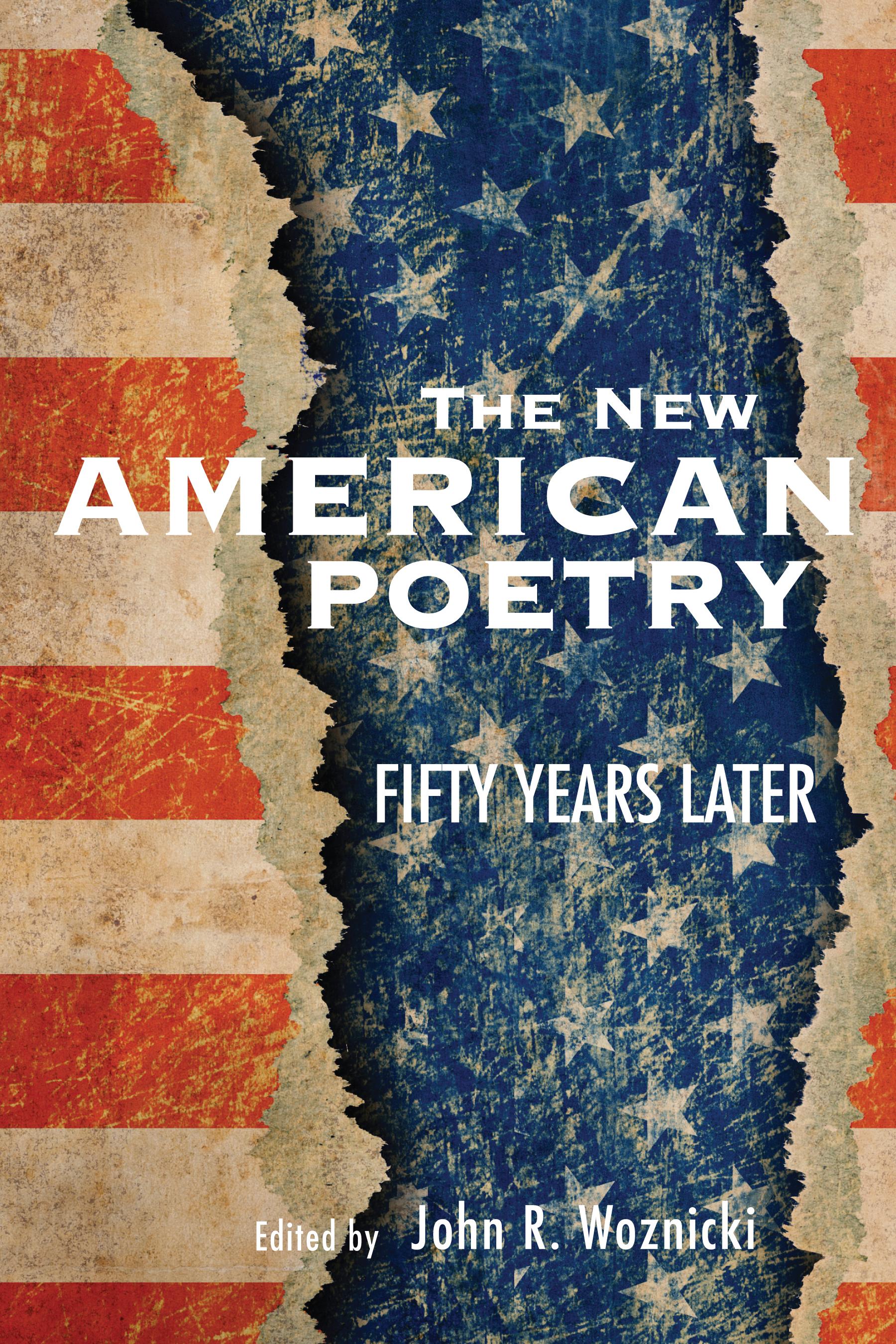
The New American Poetry
Author: Peter Middleton, Burt Kimmelman, Ben Hickman, David Herd, Carla Billitteri, Paul R. Cappucci, Terence Diggory, Seth J. Forrest, Joshua S. Hoeynck, Megan Swihart Jewell, Joe Moffett, John R. Woznicki
Publisher: Bloomsbury Publishing
Edition: 1
Published date: 2013
ISBN: 9781611461244
The New American Poetry: Fifty Years Later is a collection of critical essays on Donald Allen’s 1960 seminal anthology, The New American Poetry, an anthology that Marjorie Perloff once called “the fountainhead of radical American poetics.”
The New American Poetry is referred to in every literary history of post-World War II American poetry. Allen’s anthology has reached its fiftieth anniversary, providing a unique time for reflection and reevaluation of this preeminent collection.
As we know, Allen’s anthology was groundbreaking—it was the first to distribute widely the poetry and theoretical positions of poets such as Charles Olson, Allen Ginsberg and the Beats, and it was the first to categorize these poets by the schools (Black Mountain, New York School, San Francisco Renaissance, and the Beats) by which they are known today. Over the course of fifty years, this categorization of poets into schools has become one of the major, if not only way, that The New American Poetry is remembered or valued; one certain goal of this volume, as one reviewer invites, is to “pry The New American Poetry out from the hoary platitudes that have encrusted it.”
To this point critics mostly have examined The New American Poetry as an anthology; former treatments of The New American Poetry look at it intently as a whole. Though the almost singularly-focused study of its construction and, less often, reception has lent a great deal of documented, highly visible and debated material in which to consider, we have been left with certain notions about its relevance that have become imbued ultimately in the collective critical consciousness of postmodernity.
This volume, however, goes beyond the analysis of construction and reception and achieves something distinctive, extendingthose former treatments by treading on the paths they create. This volume aims to discover another sense of “radical” that Perloff articulated—rather than a radical that departs markedly from the usual, we invite consideration of The New American Poetry that isradical in the sense of root, of harboring something fundamental, something inherent, as we uncover and trace further elements correlated with its widespread influence over the last fifty years.
The New American Poetry is referred to in every literary history of post-World War II American poetry. Allen’s anthology has reached its fiftieth anniversary, providing a unique time for reflection and reevaluation of this preeminent collection.
As we know, Allen’s anthology was groundbreaking—it was the first to distribute widely the poetry and theoretical positions of poets such as Charles Olson, Allen Ginsberg and the Beats, and it was the first to categorize these poets by the schools (Black Mountain, New York School, San Francisco Renaissance, and the Beats) by which they are known today. Over the course of fifty years, this categorization of poets into schools has become one of the major, if not only way, that The New American Poetry is remembered or valued; one certain goal of this volume, as one reviewer invites, is to “pry The New American Poetry out from the hoary platitudes that have encrusted it.”
To this point critics mostly have examined The New American Poetry as an anthology; former treatments of The New American Poetry look at it intently as a whole. Though the almost singularly-focused study of its construction and, less often, reception has lent a great deal of documented, highly visible and debated material in which to consider, we have been left with certain notions about its relevance that have become imbued ultimately in the collective critical consciousness of postmodernity.
This volume, however, goes beyond the analysis of construction and reception and achieves something distinctive, extendingthose former treatments by treading on the paths they create. This volume aims to discover another sense of “radical” that Perloff articulated—rather than a radical that departs markedly from the usual, we invite consideration of The New American Poetry that isradical in the sense of root, of harboring something fundamental, something inherent, as we uncover and trace further elements correlated with its widespread influence over the last fifty years.
Pay easily by card, Klarna, Apple Pay or Google Pay. Not happy? You always have a 14-day money-back guarantee. Read more in our terms. If you have any questions, email us at hello@memmo.org.
Memmo makes studying easier – wherever you are in the world. We bring your course books and smart study tools together in one place: summaries, quizzes, podcasts and flashcards. Plus Ted, your study buddy who answers anything you wonder. Over 50,000 students already study here – built to help you learn faster and stress less.