
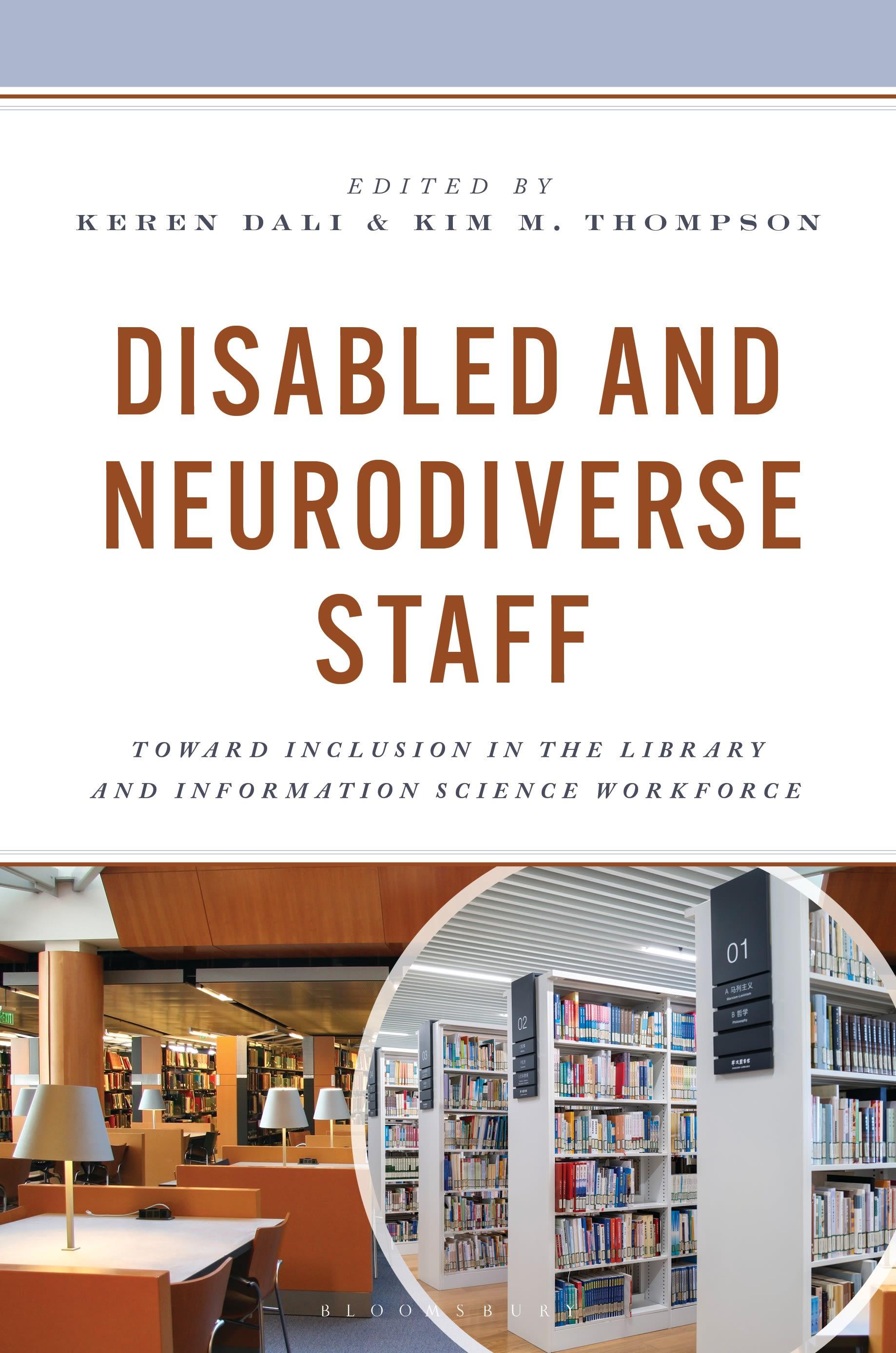
Explore a multi-dimensional and nuanced view of disability and neurodiversity in the Library and Information Science workforce from those directly impacted in the field.
Despite significant progress in improving the inclusion of disabled and neurodiverse patrons in libraries and information organizations of all types, much more work is needed to change the situation in the Library & Information Science (LIS) workforce. No true inclusion of community members can be achieved if disabled and neurodiverse patrons are not adequately represented in the library workforce. Disabled and neurodiverse graduates of LIS programs cannot always find fulfilling employment or are employed below their qualifications, if they manage to integrate in the job market at all post-graduation.
This volume offers a multi-dimensional view of disability and neurodiversity in the LIS workforce by combining the narratives of disabled and neurodiverse library staff with those of their colleagues and peers, as well as their supervisors and managers. It reflects the array of experience from various types of libraries and information settings.
Featuring chapters on theory and practice, annotated bibliography and resource compilation, this book is more than just a window into the current issues, it is a call to build a more inclusive and accessible future.
Despite significant progress in improving the inclusion of disabled and neurodiverse patrons in libraries and information organizations of all types, much more work is needed to change the situation in the Library & Information Science (LIS) workforce. No true inclusion of community members can be achieved if disabled and neurodiverse patrons are not adequately represented in the library workforce. Disabled and neurodiverse graduates of LIS programs cannot always find fulfilling employment or are employed below their qualifications, if they manage to integrate in the job market at all post-graduation.
This volume offers a multi-dimensional view of disability and neurodiversity in the LIS workforce by combining the narratives of disabled and neurodiverse library staff with those of their colleagues and peers, as well as their supervisors and managers. It reflects the array of experience from various types of libraries and information settings.
Featuring chapters on theory and practice, annotated bibliography and resource compilation, this book is more than just a window into the current issues, it is a call to build a more inclusive and accessible future.
Pay easily by card, Klarna, Apple Pay or Google Pay. Not happy? You always have a 14-day money-back guarantee. Read more in our terms. If you have any questions, email us at hello@memmo.org.
Memmo makes studying easier – wherever you are in the world. We bring your course books and smart study tools together in one place: summaries, quizzes, podcasts and flashcards. Plus Ted, your study buddy who answers anything you wonder. Over 50,000 students already study here – built to help you learn faster and stress less.