
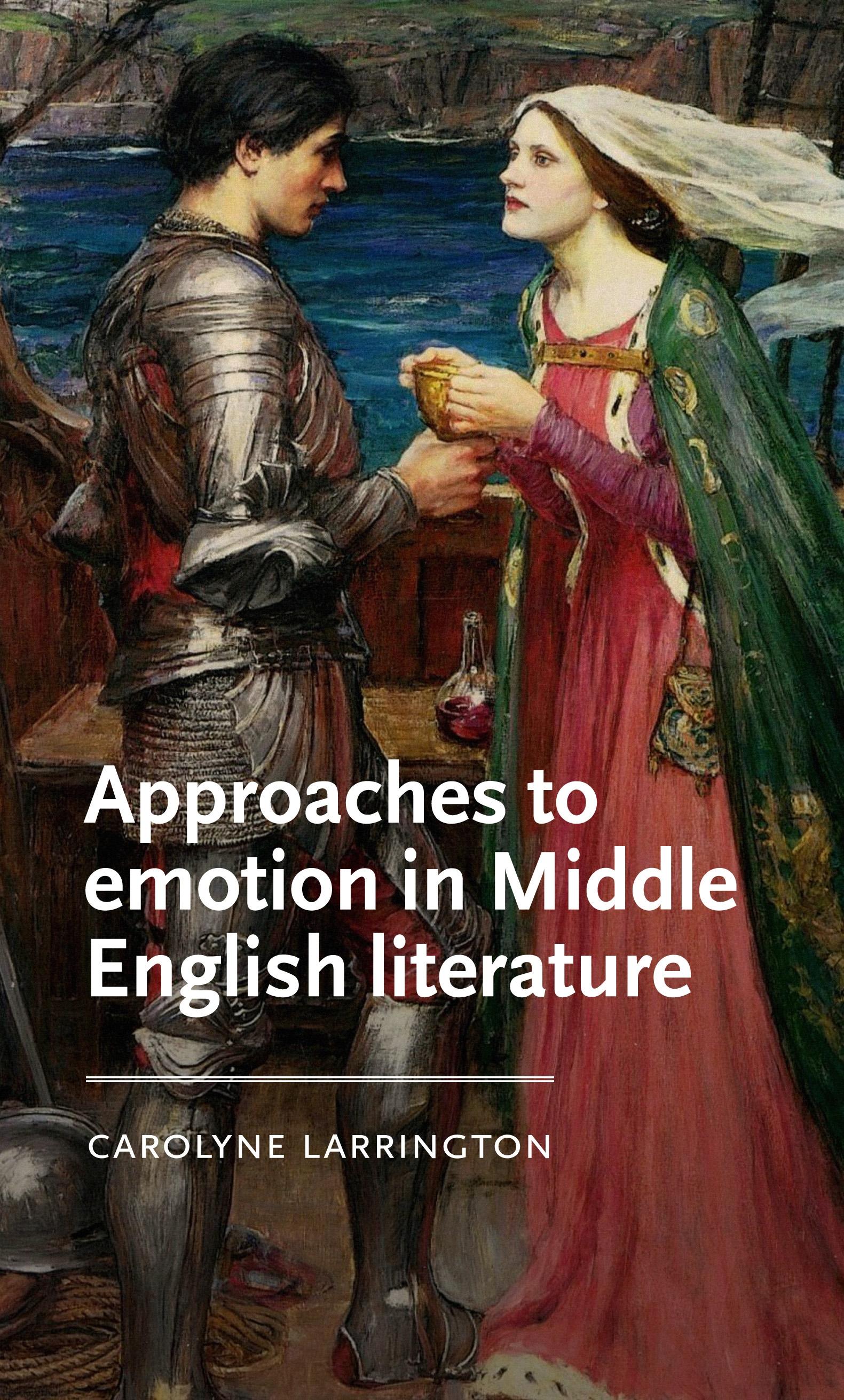
Over the last twenty-five years, the ‘history of emotion’ field has become one of the most dynamic and productive areas for humanities research. This designation, and the marked leadership of historians in the field, has had the unlooked-for consequence of sidelining literature — in particular secular literature — as evidence-source and object of emotion study. Secular literature, whether fable, novel, fantasy or romance, has been understood as prone to exaggeration, hyperbole, and thus as an unreliable indicator of the emotions of the past.
The aim of this book is to decentre history of emotion research and asks new questions, ones that can be answered by literary scholars, using literary texts as sources: how do literary texts understand and depict emotion and, crucially, how do they generate emotion in their audiences — those who read them or hear them read or performed?
Pay easily by card, Klarna, Apple Pay or Google Pay. Not happy? You always have a 14-day money-back guarantee. Read more in our terms. If you have any questions, email us at hello@memmo.org.
Memmo makes studying easier – wherever you are in the world. We bring your course books and smart study tools together in one place: summaries, quizzes, podcasts and flashcards. Plus Ted, your study buddy who answers anything you wonder. Over 50,000 students already study here – built to help you learn faster and stress less.