
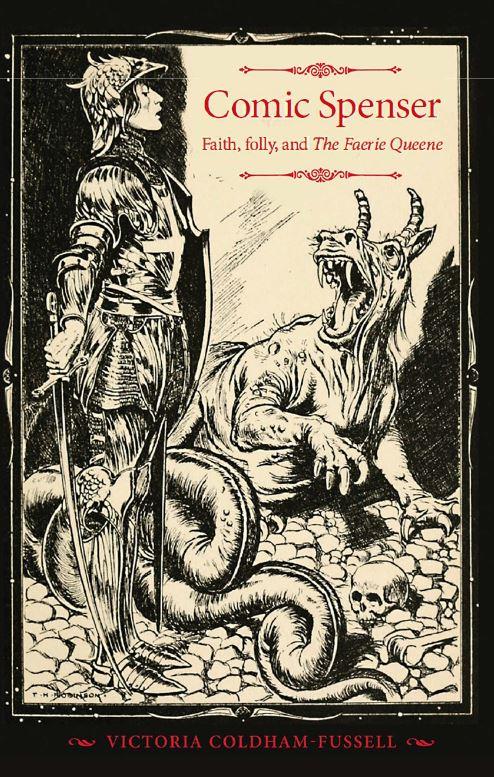
Once a byword for Protestant sobriety and moral idealism, Spenser is now better known for his irony and elusiveness. But this study argues that his sense of humour is still underestimated and misunderstood. In a series of bold reinterpretations of key episodes in The Faerie Queene, Victoria Coldham-Fussell demonstrates that humour goes to the heart of Spenser’s moral and doctrinal preoccupations. She charts amusing rifts between the poem’s ambitious and idealising postures and its Protestant vision of corruptible human nature; yet contends that Spenserian humour is an expression of tolerance and faith as well as an instrument of satire. This study’s application of modern comic theory to a key text of the English Renaissance and its detailed survey of the comic influences that shaped Spenser’s literary milieu will be indispensable to teachers of the Renaissance period, to students of comic literature, and to established Spenserians.
Pay easily by card, Klarna, Apple Pay or Google Pay. Not happy? You always have a 14-day money-back guarantee. Read more in our terms. If you have any questions, email us at hello@memmo.org.
Memmo makes studying easier – wherever you are in the world. We bring your course books and smart study tools together in one place: summaries, quizzes, podcasts and flashcards. Plus Ted, your study buddy who answers anything you wonder. Over 50,000 students already study here – built to help you learn faster and stress less.
You might also like
Buy the book0