
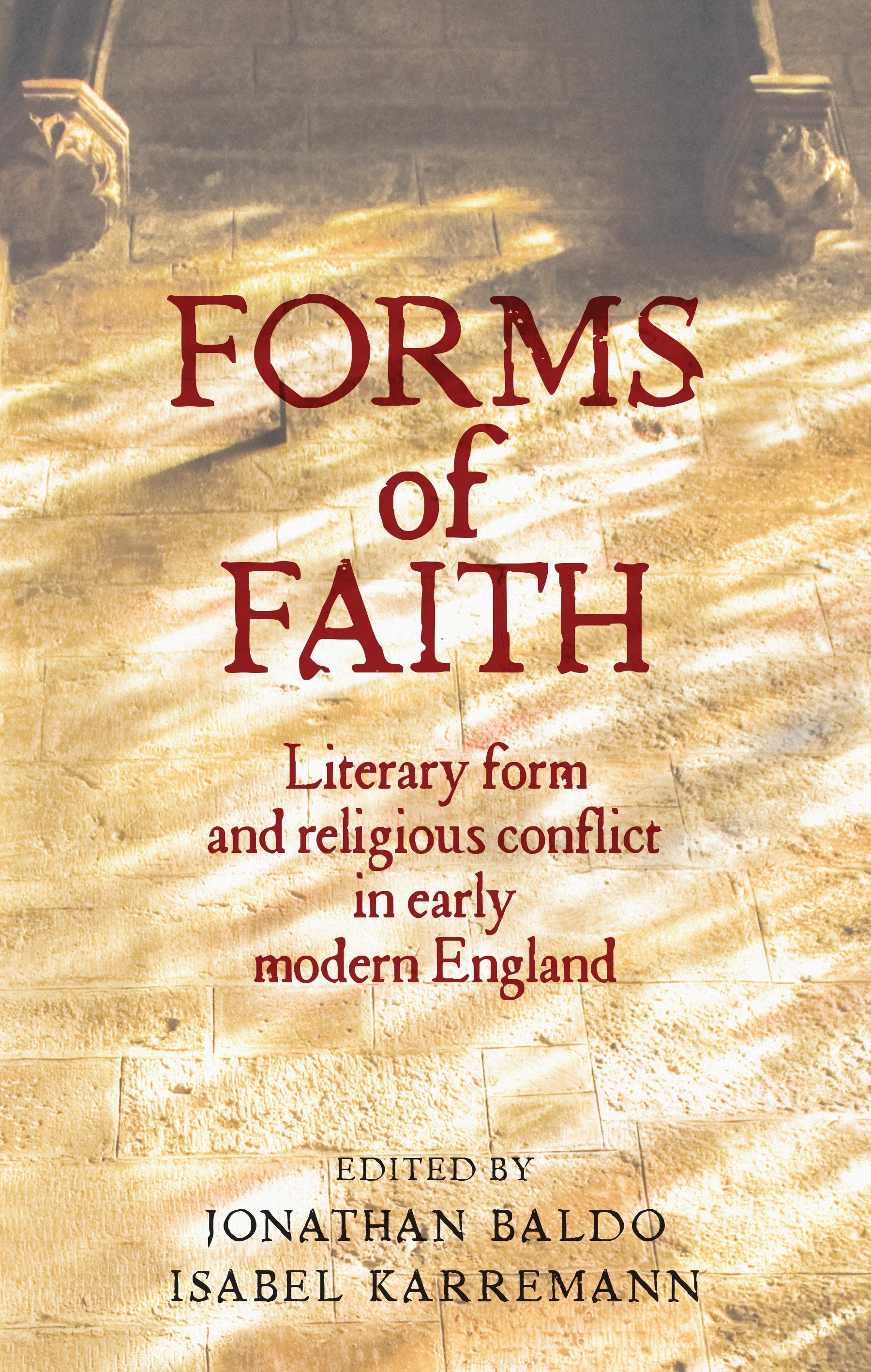
This book explores the role of literature as a means of mediating religious conflict in early modern England. Marking a new stage in the ‘religious turn’ that generated vigorous discussion of the changes and conflicts brought about by the Reformation, it unites new historicist readings with an interest in the ideological significance of aesthetic form. It proceeds from the assumption that confessional differences did not always erupt into hostilities but that people also had to arrange themselves with divided loyalties – between the old faith and the new, between religious and secular interests, between officially sanctioned and privately held beliefs. What role might literature have played here? Can we conceive of literary representations as possible sites of de-escalation? Do different discursive, aesthetic, or social contexts inflect or deflect the demands of religious loyalties? Such questions open a new perspective on post-Reformation English culture and literature.
Pay easily by card, Klarna, Apple Pay or Google Pay. Not happy? You always have a 14-day money-back guarantee. Read more in our terms. If you have any questions, email us at hello@memmo.org.
Memmo makes studying easier – wherever you are in the world. We bring your course books and smart study tools together in one place: summaries, quizzes, podcasts and flashcards. Plus Ted, your study buddy who answers anything you wonder. Over 50,000 students already study here – built to help you learn faster and stress less.
You might also like
Buy the book0