
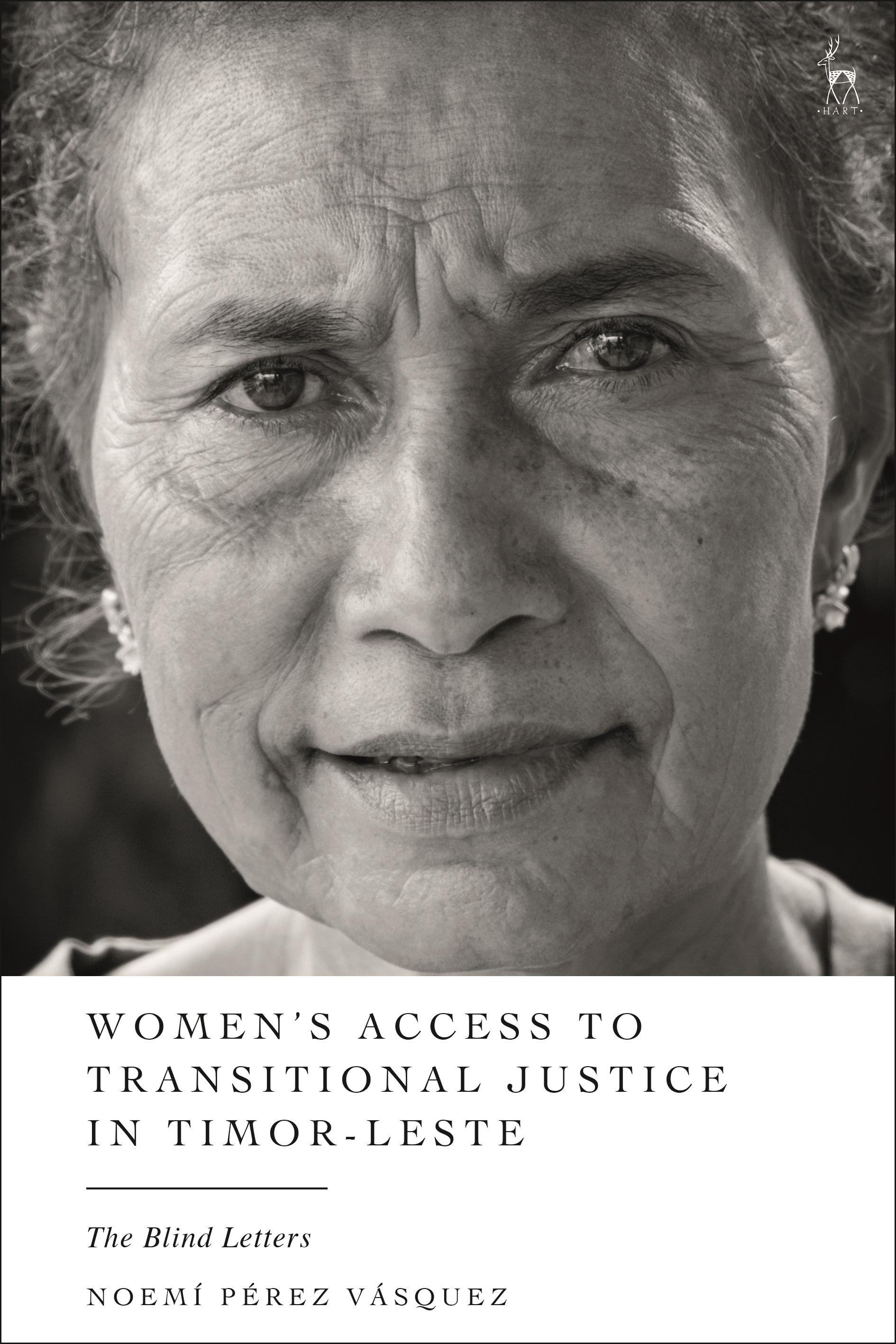
Seeing the role of transitional justice as an area of contestation, this book focuses on the principle of equality guaranteed in the access to transitional justice mechanisms. By raising women's experiences in dealing with the law and policies as well as the implications of community and family practices during post-conflict situations, the book shows how these mechanisms may have been implemented mechanically, without considering the different intersections of discrimination, the public and private divides that exist in the local context or the stereotypes and values of international and national actors.
The book argues that without unpacking the barriers in the administration of transitional justice, the different mechanisms that are implemented in a post-conflict situation may set a higher threshold for the participation of women. Moreover, by taking into account women's perceptions of justice, it further argues that scholars have paid insufficient attention to the welfare structures that are produced after a conflict, particularly the pensions of veterans. Going beyond the focus on sexual violence, a relationship between the violations and post-conflict economic justice may have longer-term consequences for women since it perpetuates their inequality and lack of recognition in times of peace. The use of transitional justice may thus exacerbate the invisibility of and discrimination against certain sections of the population.
Inspired by the work of Hannah Arendt and based on extensive field research in Timor-Leste, the book has larger implications for the overarching debate on the social consequences of transitional justice.
The book argues that without unpacking the barriers in the administration of transitional justice, the different mechanisms that are implemented in a post-conflict situation may set a higher threshold for the participation of women. Moreover, by taking into account women's perceptions of justice, it further argues that scholars have paid insufficient attention to the welfare structures that are produced after a conflict, particularly the pensions of veterans. Going beyond the focus on sexual violence, a relationship between the violations and post-conflict economic justice may have longer-term consequences for women since it perpetuates their inequality and lack of recognition in times of peace. The use of transitional justice may thus exacerbate the invisibility of and discrimination against certain sections of the population.
Inspired by the work of Hannah Arendt and based on extensive field research in Timor-Leste, the book has larger implications for the overarching debate on the social consequences of transitional justice.
Pay easily by card, Klarna, Apple Pay or Google Pay. Not happy? You always have a 14-day money-back guarantee. Read more in our terms. If you have any questions, email us at hello@memmo.org.
Memmo makes studying easier – wherever you are in the world. We bring your course books and smart study tools together in one place: summaries, quizzes, podcasts and flashcards. Plus Ted, your study buddy who answers anything you wonder. Over 50,000 students already study here – built to help you learn faster and stress less.