
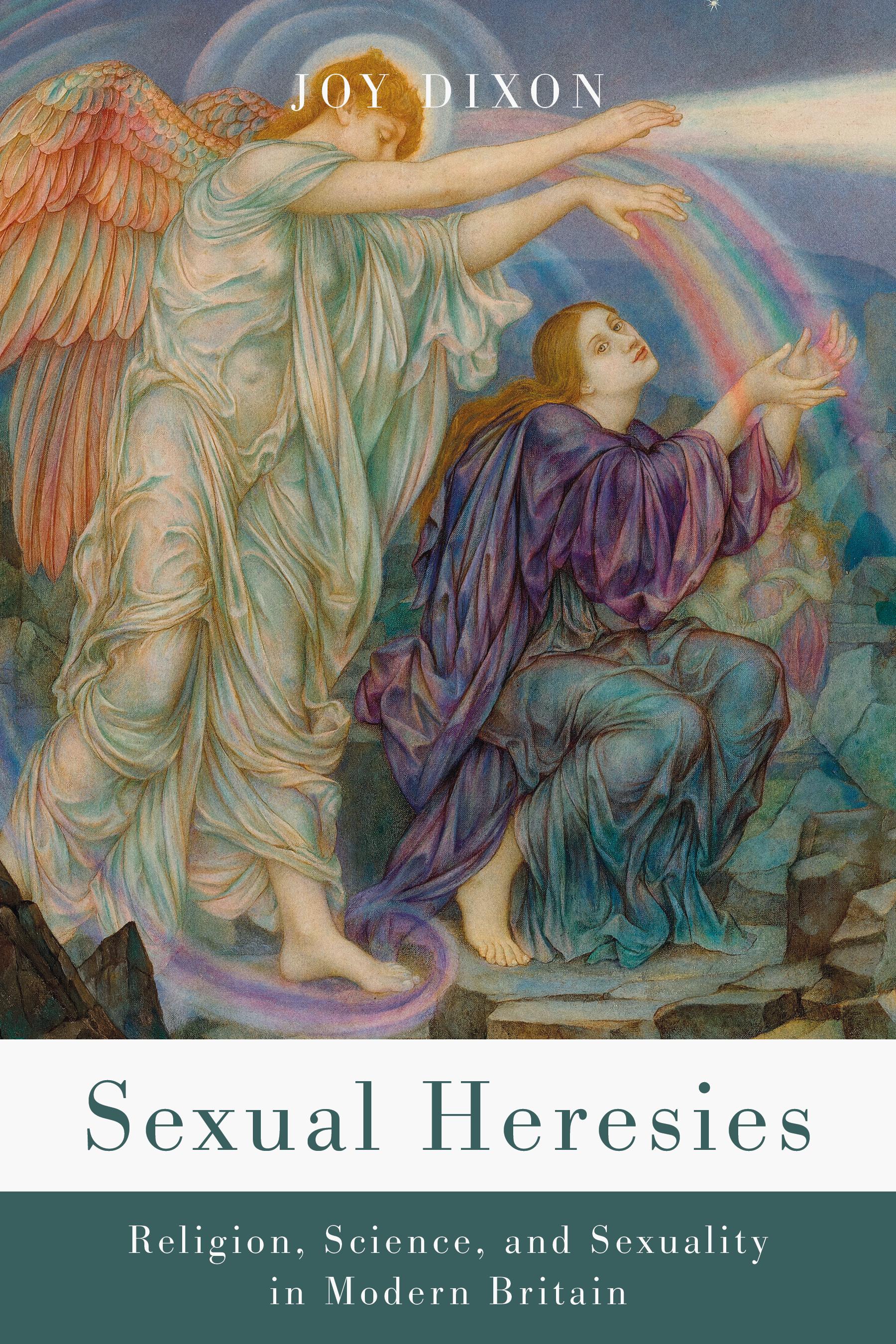
In Britain at the end of the nineteenth century, the new sexual sciences—from anthropological accounts of religion as rooted in ancient fertility cults to psychoanalytic theories that explained religious experience in terms of psychosexual development—characterized religion as closely connected to the sexual. The outcome, as Joy Dixon argues, was a new sense that religion itself could be sexually suspect. One result was an increasing concern to police "sexual heresies" to produce a supposedly normal (healthy, monogamous, and heterosexual) religiosity. The overall effect was a narrowing of the sexual possibilities inside "orthodox" religion and the association of alternative forms of religion with dissident sexualities that continues to shape both religion and secularism today. Drawing on a wide range of materials from diverse elements of British society, this book emphasizes the dynamic relationships between the histories of religion and of sexuality and the historical contingency of the categories we use to understand the relationship between the two.
Pay easily by card, Klarna, Apple Pay or Google Pay. Not happy? You always have a 14-day money-back guarantee. Read more in our terms. If you have any questions, email us at hello@memmo.org.
Memmo makes studying easier – wherever you are in the world. We bring your course books and smart study tools together in one place: summaries, quizzes, podcasts and flashcards. Plus Ted, your study buddy who answers anything you wonder. Over 50,000 students already study here – built to help you learn faster and stress less.