
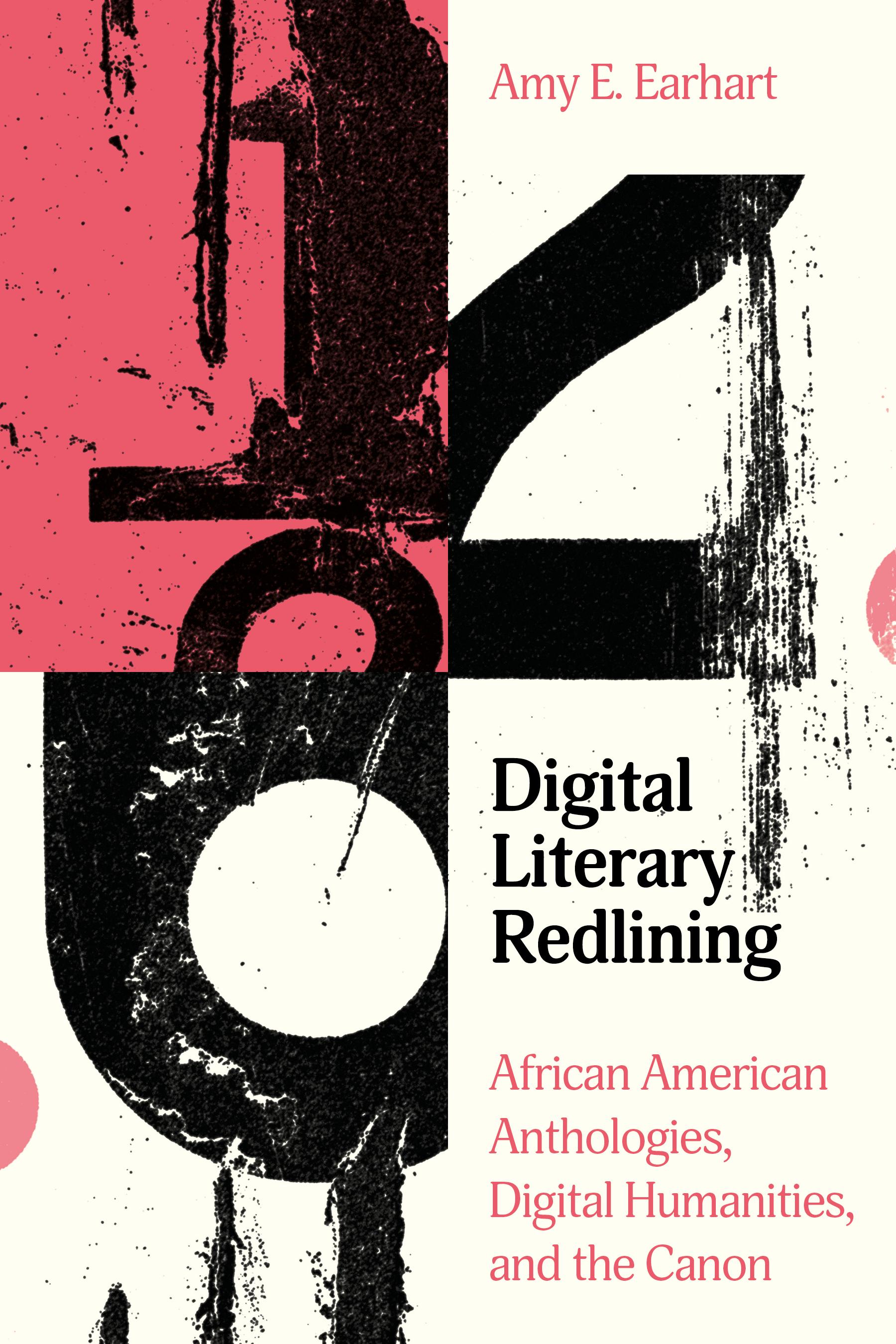
Though canon concerns seem to be a relic of 1990s academia, we are, once again, at a historical moment when there is resistance to teaching texts by writers of color and texts that deal with race, ethnicity and gender. At the same time, algorithmic bias scholars are locating systemic bias encoded into systems from policing software to housing software. Bringing these divergent areas together, Amy E. Earhart examines how technological and institutional infrastructures construct and deconstruct race, ethnicity and gender identities.
Focusing on two central infrastructures, the database, a commonly used technological infrastructure in the digital humanities, and the anthology, a scholarly and pedagogical infrastructure, Earhart considers how such seemingly naturalized infrastructures impact the representation and modeling of identity. The book draws upon the building and use of DALA, a collection of almost 100 years of generalist American and African American literature anthologies, constructed to investigate questions of identity and representation in literary anthologies and, by extension, the larger literary canon. The resulting examination, and its rigorous discussion of how identities are created and recreated within Black literary histories, has important implications for contemporary cultural and political debates about canon formation, literary scholarship, and the bias embedded in technological infrastructures.
Pay easily by card, Klarna, Apple Pay or Google Pay. Not happy? You always have a 14-day money-back guarantee. Read more in our terms. If you have any questions, email us at hello@memmo.org.
Memmo makes studying easier – wherever you are in the world. We bring your course books and smart study tools together in one place: summaries, quizzes, podcasts and flashcards. Plus Ted, your study buddy who answers anything you wonder. Over 50,000 students already study here – built to help you learn faster and stress less.