
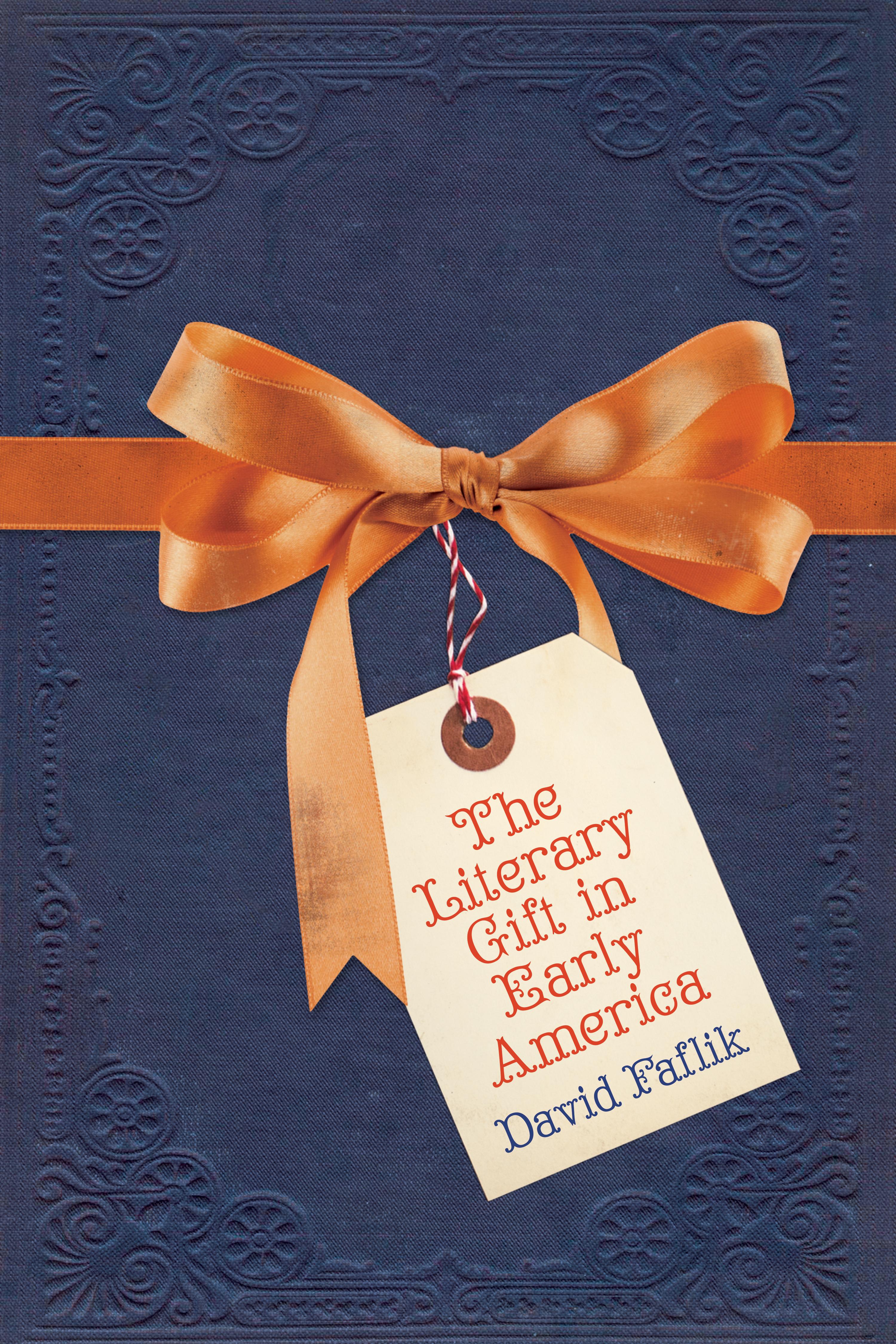
Some of the most meaningful moments in early American literature relied on historical patterns of gift exchange, David Faflik argues in this compelling book. Gift exchange kept a surprising variety of literary objects in circulation across the diverse societies, economies, and cultures of the Americas, from the seventeenth through the nineteenth centuries.
From the gifting of a Narragansett grammar as a foundational event in the project of colonization in New England, to the use of Benjamin Franklin's Poor Richard's Almanack in the classrooms of an independent Brazil, to Catharine Maria Sedgwick's fictions framing literature as the object of middle-class gifting, chapters offer an interdisciplinary perspective on book history and literary history in the United States and beyond. Faflik contends that it is because of the wild ways in which books circulated as gifts that works by Franklin, New England colonist Roger Williams, Sedgwick, Walt Whitman, and Emily Dickinson resisted the generic conventions of their day. Offering a revisionist account of how literary meaning is made, The Literary Gift in Early America calls for closer attention to the historical patterns of literary give and take in the Americas.
Pay easily by card, Klarna, Apple Pay or Google Pay. Not happy? You always have a 14-day money-back guarantee. Read more in our terms. If you have any questions, email us at hello@memmo.org.
Memmo makes studying easier – wherever you are in the world. We bring your course books and smart study tools together in one place: summaries, quizzes, podcasts and flashcards. Plus Ted, your study buddy who answers anything you wonder. Over 50,000 students already study here – built to help you learn faster and stress less.