
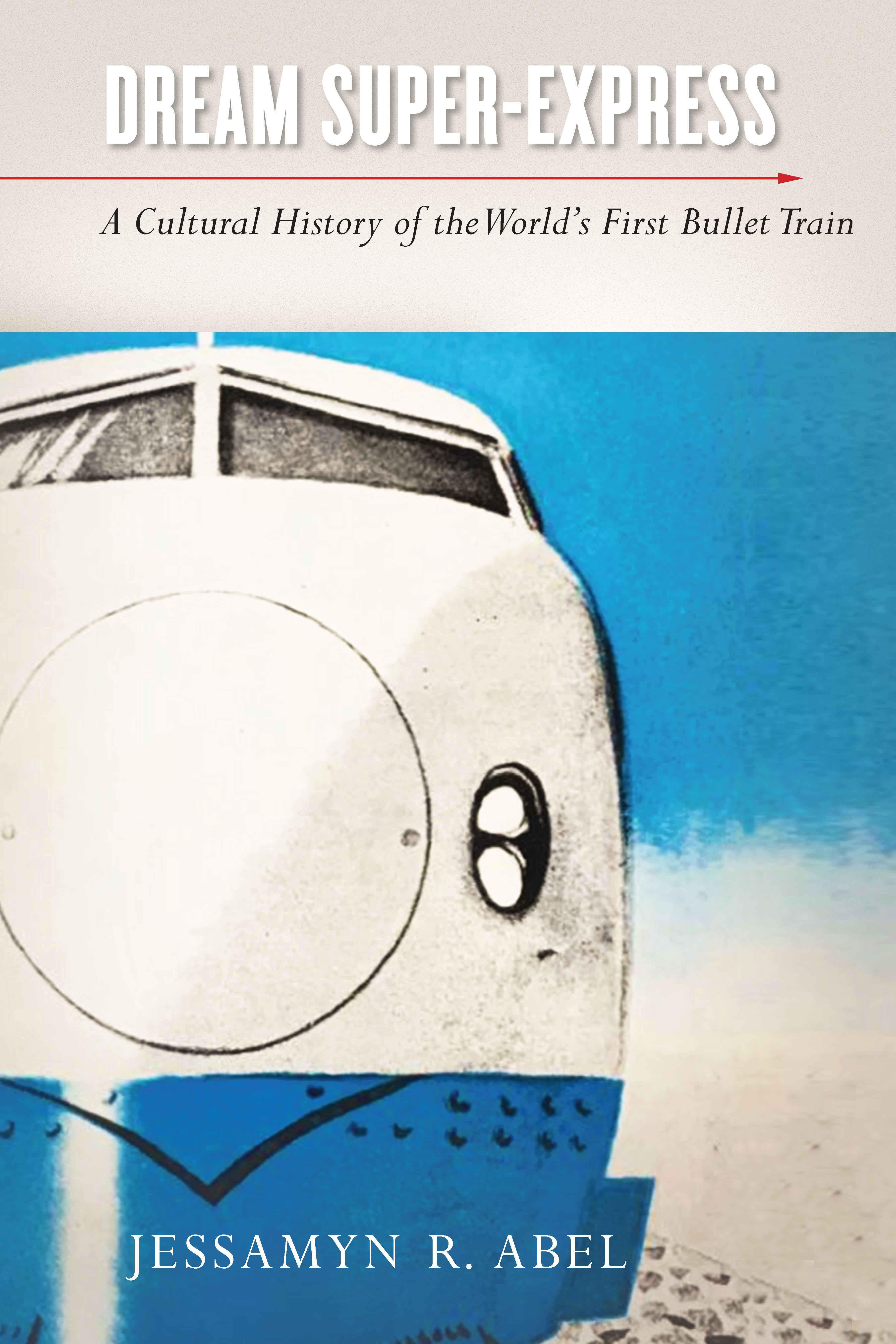
A symbol of the "new Japan" displayed at World's Fairs, depicted in travel posters, and celebrated as the product of a national spirit of innovation, the Tōkaidō Shinkansen—the first bullet train, dubbed the "dream super-express"—represents the bold aspirations of a nation rebranding itself after military defeat, but also the deep problems caused by the unbridled postwar drive for economic growth. At the dawn of the space age, how could a train become such an important symbol? In Dream Super-Express, Jessamyn Abel contends that understanding the various, often contradictory, images of the bullet train reveals how infrastructure operates beyond its intended use as a means of transportation to perform cultural and sociological functions. The multi-layered dreams surrounding this high-speed railway tell a history not only of nation-building but of resistance and disruption. Though it constituted neither a major technological leap nor a new infrastructural connection, the train enchanted, enthralled, and enraged government officials, media pundits, community activists, novelists, and filmmakers. This history of imaginations around the monumental rail system resists the commonplace story of progress to consider the tug-of-war over the significance of the new line. Is it a vision of the future or a reminder of the past, an object of international admiration or a formidable threat? Does it enable new relationships and identities or reify existing social hierarchies? Tracing the meanings assigned to high-speed rail shows how it prompted a reimagination of identity on the levels of individual, metropolis, and nation in a changing Japan.
Pay easily by card, Klarna, Apple Pay or Google Pay. Not happy? You always have a 14-day money-back guarantee. Read more in our terms. If you have any questions, email us at hello@memmo.org.
Memmo makes studying easier – wherever you are in the world. We bring your course books and smart study tools together in one place: summaries, quizzes, podcasts and flashcards. Plus Ted, your study buddy who answers anything you wonder. Over 50,000 students already study here – built to help you learn faster and stress less.