
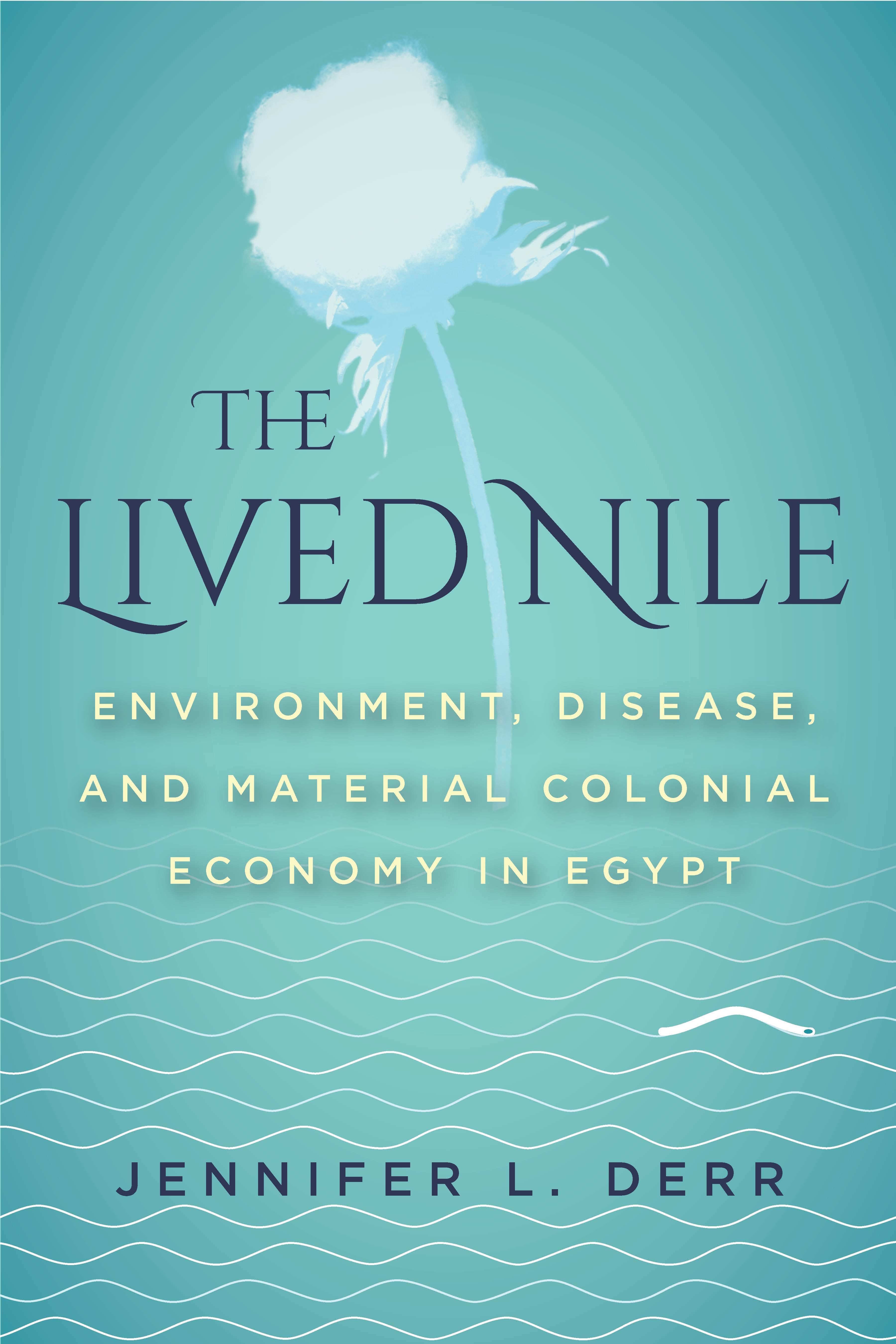
In October 1902, the reservoir of the first Aswan Dam filled, and Egypt's relationship with the Nile River forever changed. Flooding villages of historical northern Nubia and filling the irrigation canals that flowed from the river, the perennial Nile not only reshaped agriculture and the environment, but also Egypt's colonial economy and forms of subjectivity.
Jennifer L. Derr follows the engineers, capitalists, political authorities, and laborers who built a new Nile River through the nineteenth and early twentieth centuries. The river helped to shape the future of technocratic knowledge, and the bodies of those who inhabited rural communities were transformed through the environmental intimacies of their daily lives. At the root of this investigation lies the notion that the Nile is not a singular entity, but a realm of practice and a set of temporally, spatially, and materially specific relations that structured experiences of colonial economy. From the microscopic to the regional, the local to the imperial, The Lived Nile recounts the history and centrality of the environment to questions of politics, knowledge, and the lived experience of the human body itself.
Pay easily by card, Klarna, Apple Pay or Google Pay. Not happy? You always have a 14-day money-back guarantee. Read more in our terms. If you have any questions, email us at hello@memmo.org.
Memmo makes studying easier – wherever you are in the world. We bring your course books and smart study tools together in one place: summaries, quizzes, podcasts and flashcards. Plus Ted, your study buddy who answers anything you wonder. Over 50,000 students already study here – built to help you learn faster and stress less.