
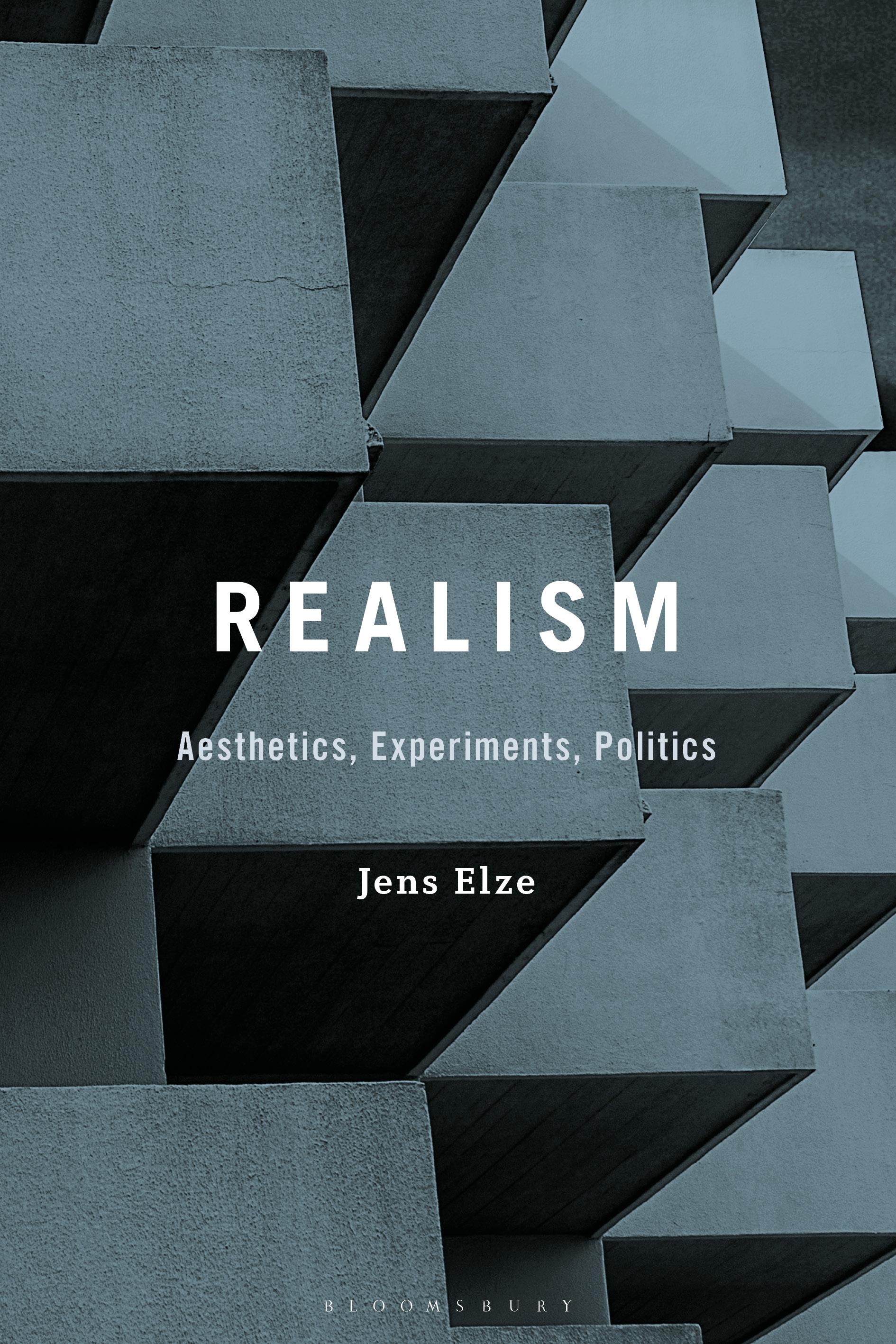
Realism seems to be everywhere, both as a trending critical term and as a revitalized aesthetic practice. This volume brings together for the first time three aspects that are pertinent for a proper understanding of realism: its 19th-century aesthetics committed to making reality into an object of serious art; the experiments with and against realism by 20th-century modernist, postmodernist, or magical realist writing; and the politics of realism, especially its ambitions to map the complex realities produced by global capitalism and climate catastrophe. This juxtaposition of aesthetics, experiments, and politics unsettles the entrenched opposition between realism and experimental literature that tends to ignore the fact that realism, by virtue of its commitment to a changing material and social world, cannot be but continuously experimenting.
The innovative chapters of this book address some of the pressing questions of literary and cultural studies today, like the complex relation between historical materialism and new materialisms, between science and art, or the different aesthetic and political affordances of making systemic analyses against depicting the specificity of the local. Some of the chapters deal with classically realist authors, such as George Eliot, Émile Zola, and Joseph Conrad, to gauge the aesthetic radicalism of their diverse realist projects. Others investigate the experimental engagements with realism by authors such as B.S. Johnson, J.M. Coetzee, or Rachel Cusk. Yet others, analyze the politics of realism found in contemporary anglophone novels by writers like Chimamanda Ngozi Adichie, David Mitchell, or Rohinton Mistry. The readings assembled here are a testament to the diversity of literary realism(s) from the 19th, 20th, and 21st centuries, and to the ongoing controversies surrounding definitions and deployments of “realism.”
The innovative chapters of this book address some of the pressing questions of literary and cultural studies today, like the complex relation between historical materialism and new materialisms, between science and art, or the different aesthetic and political affordances of making systemic analyses against depicting the specificity of the local. Some of the chapters deal with classically realist authors, such as George Eliot, Émile Zola, and Joseph Conrad, to gauge the aesthetic radicalism of their diverse realist projects. Others investigate the experimental engagements with realism by authors such as B.S. Johnson, J.M. Coetzee, or Rachel Cusk. Yet others, analyze the politics of realism found in contemporary anglophone novels by writers like Chimamanda Ngozi Adichie, David Mitchell, or Rohinton Mistry. The readings assembled here are a testament to the diversity of literary realism(s) from the 19th, 20th, and 21st centuries, and to the ongoing controversies surrounding definitions and deployments of “realism.”
Pages: 296
Category: Litteraturvetenskap & Teori
e-ISBN: 9781501385490
Shipping weight: 1.2 kg
Ships in: 1-2 days
Pay easily by card, Klarna, Apple Pay or Google Pay. Not happy? You always have a 14-day money-back guarantee. Read more in our terms. If you have any questions, email us at hello@memmo.org.
Memmo makes studying easier – wherever you are in the world. We bring your course books and smart study tools together in one place: summaries, quizzes, podcasts and flashcards. Plus Ted, your study buddy who answers anything you wonder. Over 50,000 students already study here – built to help you learn faster and stress less.