
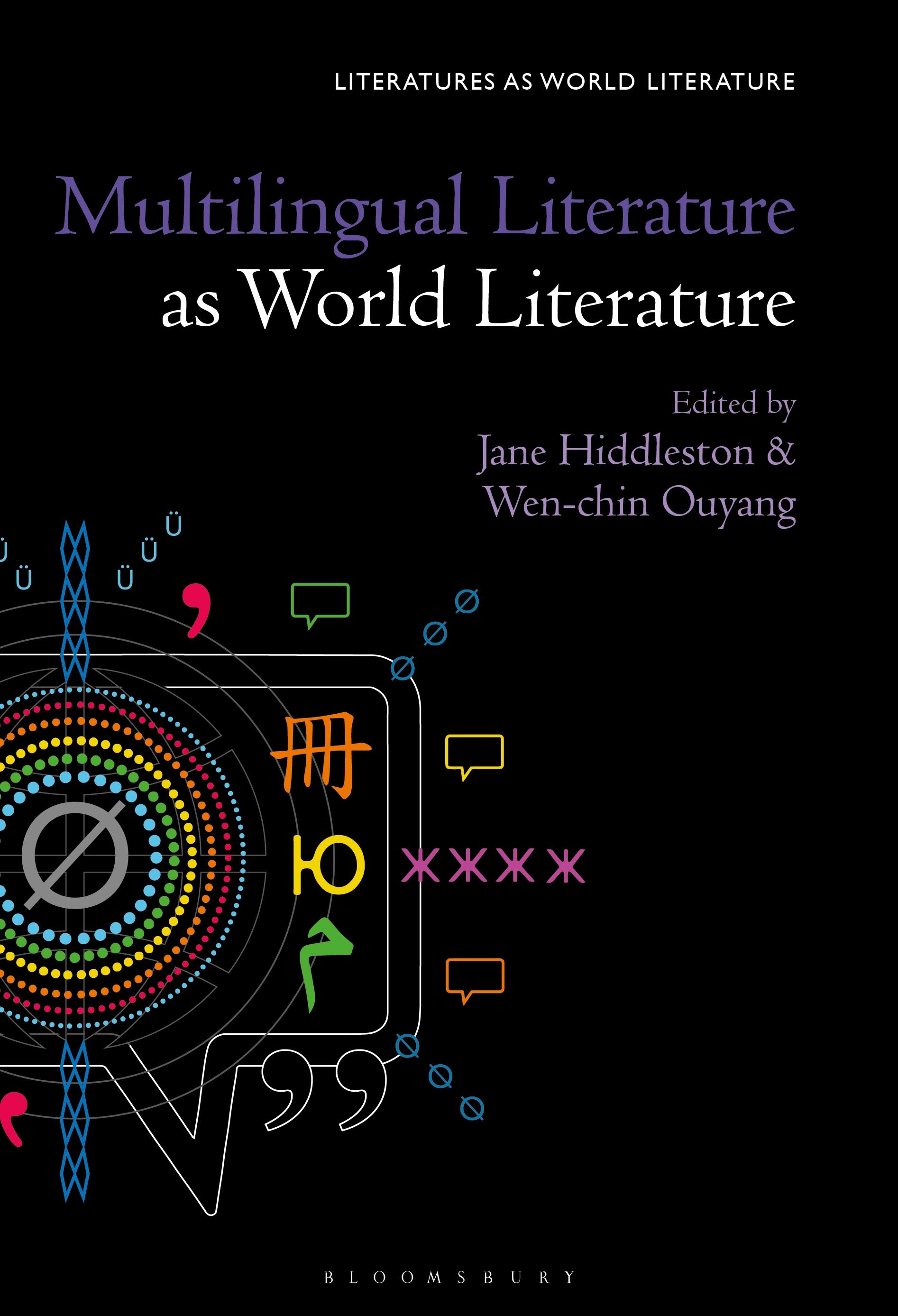
Multilingual Literature as World Literature examines and adjusts current theories and practices of world literature, particularly the conceptions of world, global and local, reflecting on the ways that multilingualism opens up the borders of language, nation and genre, and makes visible different modes of circulation across languages, nations, media and cultures.
The contributors to Multilingual Literature as World Literature examine four major areas of critical research. First, by looking at how engaging with multilingualism as a mode of reading makes visible the multiple pathways of circulation, including as aesthetics or poetics emerging in the literary world when languages come into contact with each other. Second, by exploring how politics and ethics contribute to shaping multilingual texts at a particular time and place, with a focus on the local as a site for the interrogation of global concerns and a call for diversity. Third, by engaging with translation and untranslatability in order to consider the ways in which ideas and concepts elude capture in one language but must be read comparatively across multiple languages. And finally, by proposing a new vision for linguistic creativity beyond the binary structure of monolingualism versus multilingualism.
The contributors to Multilingual Literature as World Literature examine four major areas of critical research. First, by looking at how engaging with multilingualism as a mode of reading makes visible the multiple pathways of circulation, including as aesthetics or poetics emerging in the literary world when languages come into contact with each other. Second, by exploring how politics and ethics contribute to shaping multilingual texts at a particular time and place, with a focus on the local as a site for the interrogation of global concerns and a call for diversity. Third, by engaging with translation and untranslatability in order to consider the ways in which ideas and concepts elude capture in one language but must be read comparatively across multiple languages. And finally, by proposing a new vision for linguistic creativity beyond the binary structure of monolingualism versus multilingualism.
Pay easily by card, Klarna, Apple Pay or Google Pay. Not happy? You always have a 14-day money-back guarantee. Read more in our terms. If you have any questions, email us at hello@memmo.org.
Memmo makes studying easier – wherever you are in the world. We bring your course books and smart study tools together in one place: summaries, quizzes, podcasts and flashcards. Plus Ted, your study buddy who answers anything you wonder. Over 50,000 students already study here – built to help you learn faster and stress less.