
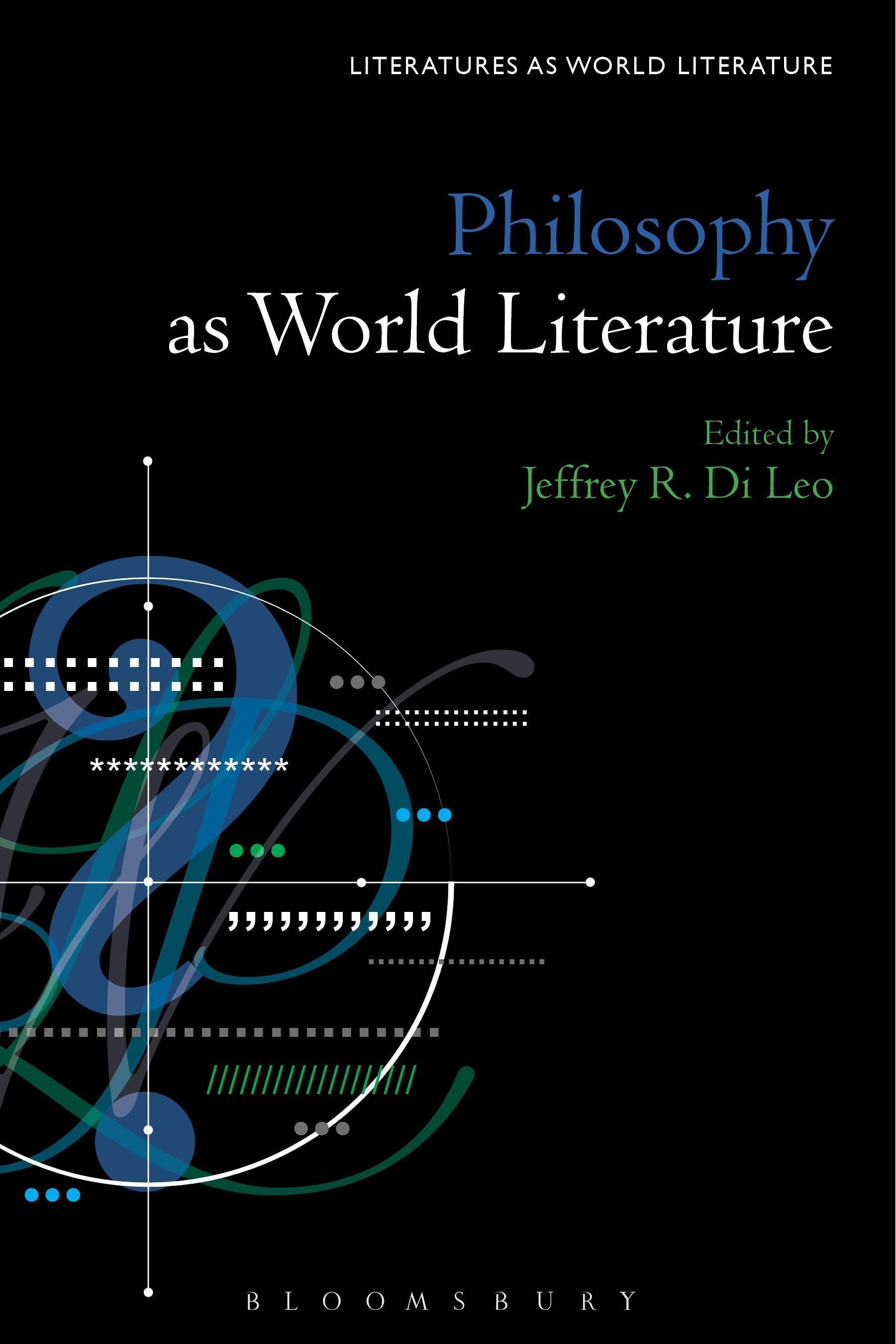
What does it mean to consider philosophy as a species of not just literature but world literature? The authors in this collection explore philosophy through the lens of the "worlding" of literature--that is, how philosophy is connected and reconnected through global literary networks that cross borders, mix stories, and speak in translation and dialect.
Historically, much of the world's most influential philosophy, from Plato's dialogues and Augustine's confessions to Nietzsche's aphorisms and Sartre's plays, was a form of literature--as well as, by extension, a form of world literature. Philosophy as World Literature offers a variety of accounts of how the worlding of literature problematizes the national categorizing of philosophy and brings new meanings and challenges to the discussion of intersections between philosophy and literature.
Historically, much of the world's most influential philosophy, from Plato's dialogues and Augustine's confessions to Nietzsche's aphorisms and Sartre's plays, was a form of literature--as well as, by extension, a form of world literature. Philosophy as World Literature offers a variety of accounts of how the worlding of literature problematizes the national categorizing of philosophy and brings new meanings and challenges to the discussion of intersections between philosophy and literature.
Pages: 304
Category: Litteraturvetenskap & Teori
e-ISBN: 9781501351884
Shipping weight: 1.2 kg
Ships in: 1-2 days
Pay easily by card, Klarna, Apple Pay or Google Pay. Not happy? You always have a 14-day money-back guarantee. Read more in our terms. If you have any questions, email us at hello@memmo.org.
Memmo makes studying easier – wherever you are in the world. We bring your course books and smart study tools together in one place: summaries, quizzes, podcasts and flashcards. Plus Ted, your study buddy who answers anything you wonder. Over 50,000 students already study here – built to help you learn faster and stress less.