
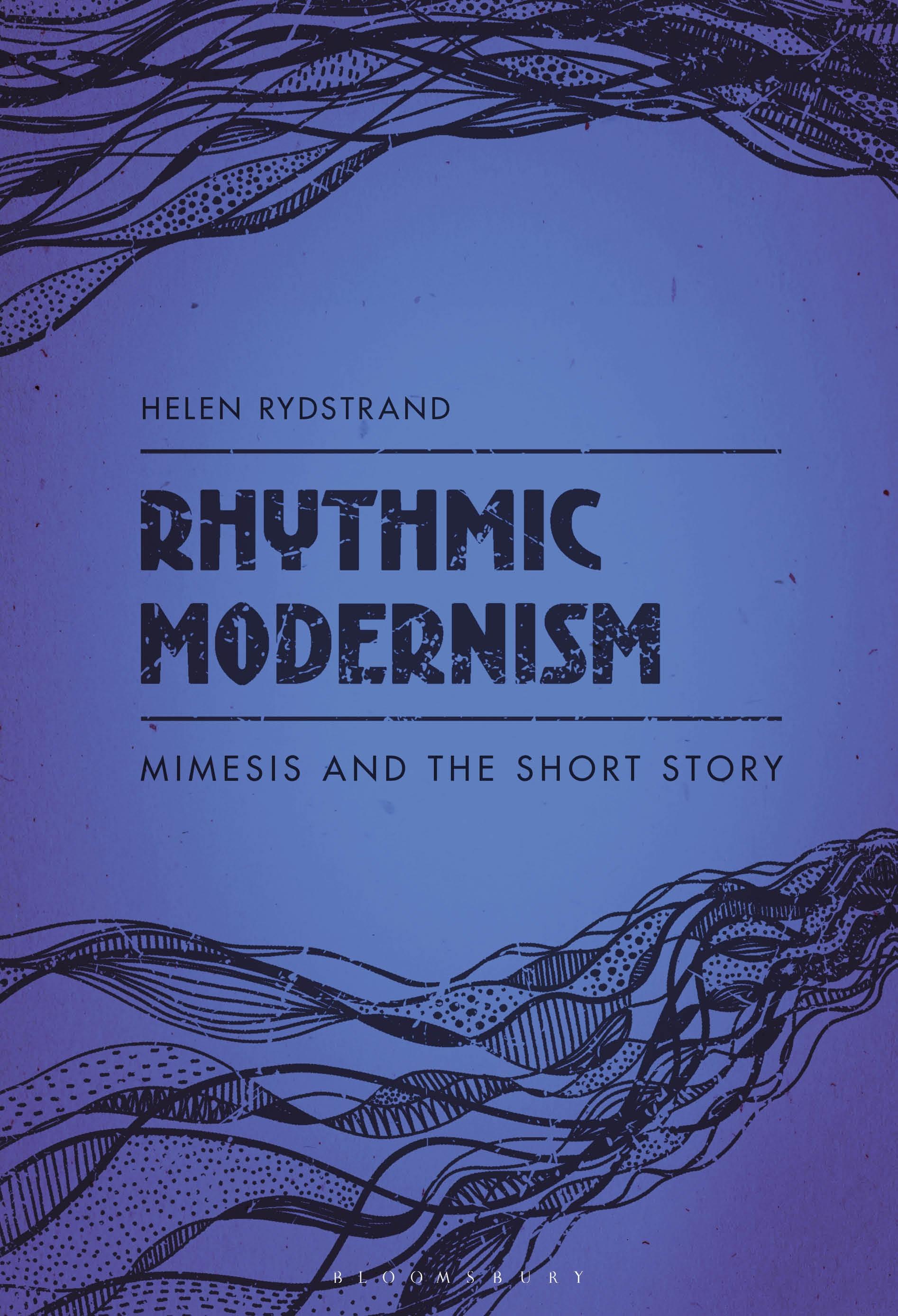
Contrary to the common view that cultural modernism is a broadly anti-mimetic movement, one which turned away from traditional artistic goals of representing the world, Rhythmic Modernism argues that rhythm and mimesis are central to modernist aesthetics. Through detailed close readings of non-fiction and short stories, Helen Rydstrand shows that textual rhythms comprised the substance of modernist mimesis. Rhythmic Modernism demonstrates how many modernist writers, such as D. H. Lawrence, Katherine Mansfield and Virginia Woolf, were profoundly invested in mimicking a substratum of existence that was conceived as rhythmic, each displaying a fascination with rhythm, both as a formal device and as a vital, protean concept that helped to make sense of the complex modern world.
Pay easily by card, Klarna, Apple Pay or Google Pay. Not happy? You always have a 14-day money-back guarantee. Read more in our terms. If you have any questions, email us at hello@memmo.org.
Memmo makes studying easier – wherever you are in the world. We bring your course books and smart study tools together in one place: summaries, quizzes, podcasts and flashcards. Plus Ted, your study buddy who answers anything you wonder. Over 50,000 students already study here – built to help you learn faster and stress less.