
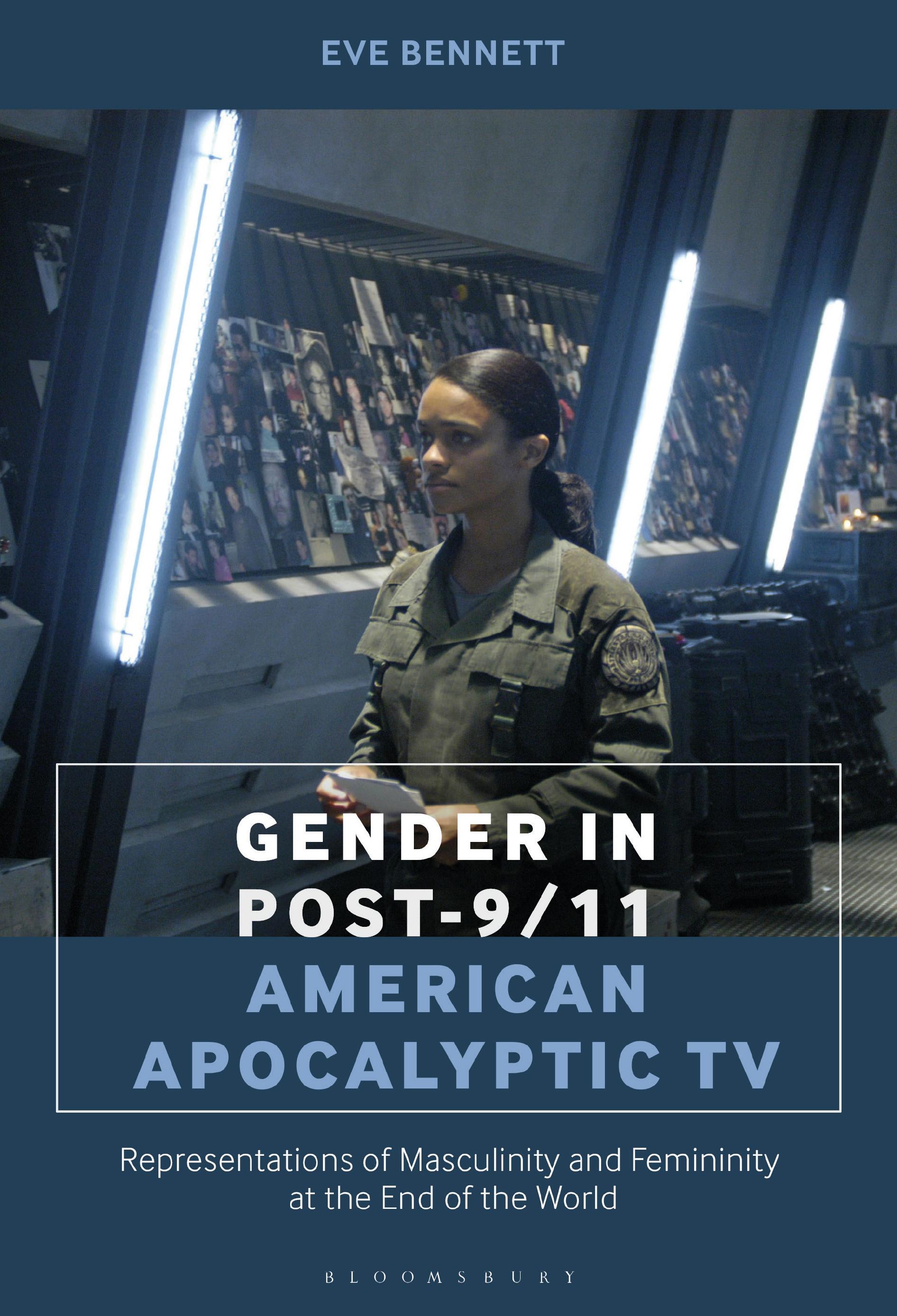
In the years following 9/11, American TV developed a preoccupation with apocalypse. Science fiction and fantasy shows ranging from Firefly to Heroes, from the rebooted Battlestar Galactica to Lost, envisaged scenarios in which world-changing disasters were either threatened or actually took place. During the same period numerous commentators observed that the American media's representation of gender had undergone a marked regression, possibly, it was suggested, as a consequence of the 9/11 attacks and the feelings of weakness and insecurity they engendered in the nation's men.
Eve Bennett investigates whether the same impulse to return to traditional images of masculinity and femininity can be found in the contemporary cycle of apocalyptic series, programmes which, like 9/11 itself, present plenty of opportunity for narratives of damsels-in-distress and heroic male rescuers. However, as this book shows, whether such narratives play out in the expected manner is another matter.
Eve Bennett investigates whether the same impulse to return to traditional images of masculinity and femininity can be found in the contemporary cycle of apocalyptic series, programmes which, like 9/11 itself, present plenty of opportunity for narratives of damsels-in-distress and heroic male rescuers. However, as this book shows, whether such narratives play out in the expected manner is another matter.
Pages: 232
Category: Kultur-, Genus- & Postkoloniala studier
e-ISBN: 9781501331107
Shipping weight: 1.2 kg
Ships in: 1-2 days
Pay easily by card, Klarna, Apple Pay or Google Pay. Not happy? You always have a 14-day money-back guarantee. Read more in our terms. If you have any questions, email us at hello@memmo.org.
Memmo makes studying easier – wherever you are in the world. We bring your course books and smart study tools together in one place: summaries, quizzes, podcasts and flashcards. Plus Ted, your study buddy who answers anything you wonder. Over 50,000 students already study here – built to help you learn faster and stress less.