
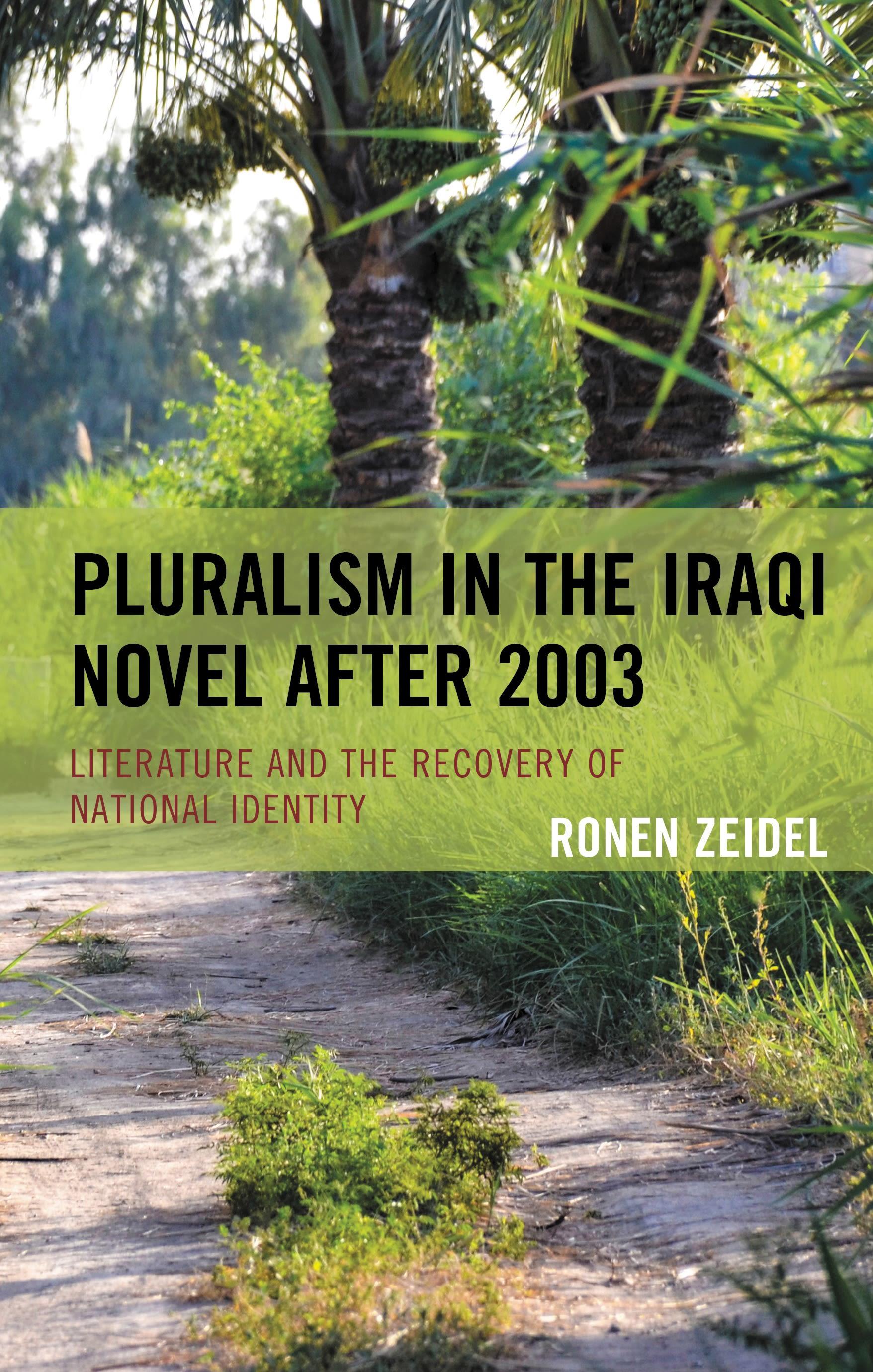
Pluralism in the Iraqi Novel is about the use of literature and the novel to express the new content of an Iraqi national identity constructed after the American invasion of 2003. Instead of the homogenizing national identity in Iraqi literature created before 2003, postoccupation literature presents Iraqi society as a kaleidoscope of multiple religious identities converging in an accommodating Iraqi national identity. The author argues that this could not have happened without the upheaval of 2003 and its consequent results: democracy and political restructuring that incorporated Shia for the first time into the ruling political coalition in recognition of their numerical majority. Literature was consequential to processing the complicated subject of Shia-Sunni relations and the sectarian identity of each and, even more, in the wake of the geopolitical events of 2003, literature was instrument in bringing representation of the Kurds, the small minorities, and even the last Jews of Iraq to the fore. As such, literature demonstrated its revolutionary power and formed the basis for a “New Iraq.”
Pay easily by card, Klarna, Apple Pay or Google Pay. Not happy? You always have a 14-day money-back guarantee. Read more in our terms. If you have any questions, email us at hello@memmo.org.
Memmo makes studying easier – wherever you are in the world. We bring your course books and smart study tools together in one place: summaries, quizzes, podcasts and flashcards. Plus Ted, your study buddy who answers anything you wonder. Over 50,000 students already study here – built to help you learn faster and stress less.