
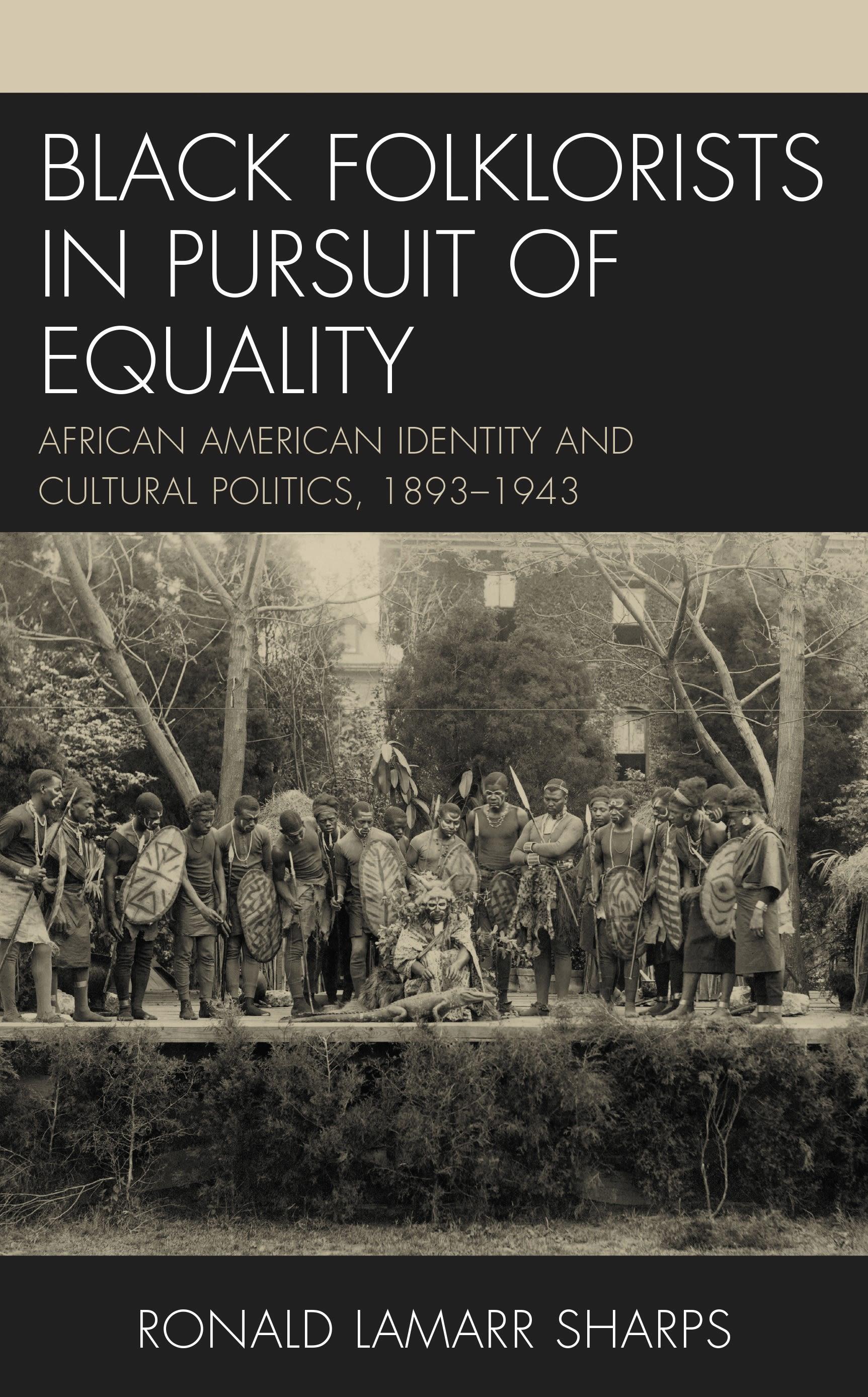
After the Civil War, Emancipation purportedly brought physical freedom to African Americans. As the nineteenth century drew to a close, blacks continued to experience inequality in all phases of American life—social, cultural, political, and economic. In pursuit of equality, African American movements interpreted folklore to reveal in their rhetoric the soul of a race and a path toward civilization. This book provides a comprehensive chronicle of these competing initiatives and their reception starting with the folklore society organized by Hampton Institute in 1893 and continuing through the early 1940s with the American Negro Academy, Fisk University graduates, William Hannibal Thomas, the National Association for the Advancement of Colored People, the Urban League, the Friends of Negro Freedom, the Universal Negro Improvement Association, and blacks associated with the Communist Party USA. Disavowing a culture of fear, money, guns, and death, black folklorists in these movements exposed a racial inner life ranging from loving, loyal, and happy to imitative, tragic, spiritual, emotional, and creative. Each characterization of the race justified a distinct path and possible contributions to civilization. If unable to know their past, members of the movements and other folklorists were fearful that African Americans would be an anomaly among humanity.
Pay easily by card, Klarna, Apple Pay or Google Pay. Not happy? You always have a 14-day money-back guarantee. Read more in our terms. If you have any questions, email us at hello@memmo.org.
Memmo makes studying easier – wherever you are in the world. We bring your course books and smart study tools together in one place: summaries, quizzes, podcasts and flashcards. Plus Ted, your study buddy who answers anything you wonder. Over 50,000 students already study here – built to help you learn faster and stress less.