
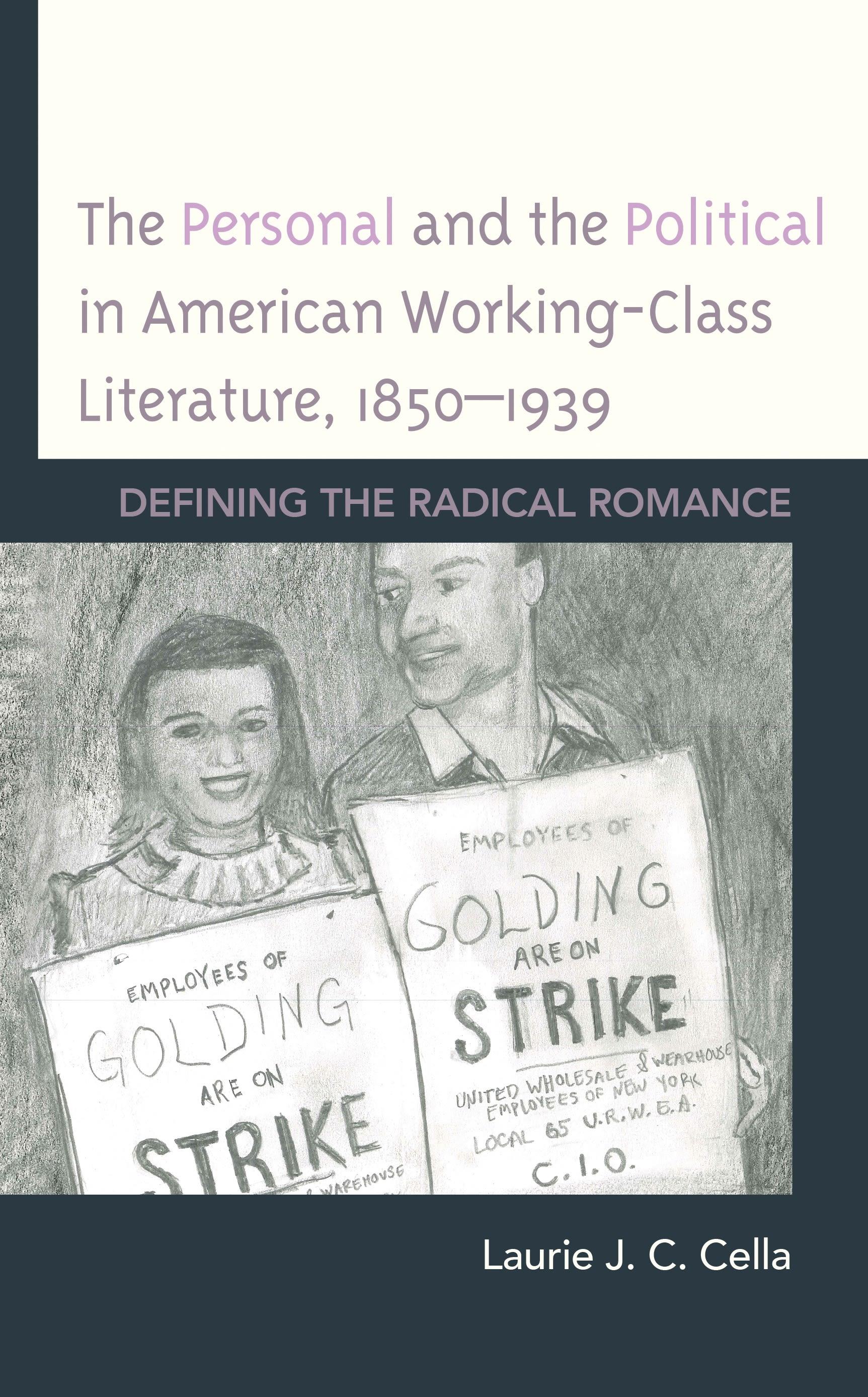
As working women invaded the public space of the factory in the nineteenth century, they challenged Victorian notions of female domesticity and chastity. With virtue at the forefront of discussions regarding working women, aspects of working-class women’s culture—fashion, fiction, and dance halls—become vivid signifiers for moral impropriety, and attempts to censure these activities become overt attempts to censure female sexuality in the workplace. The Personal and the Political in American Working-Class Literature, 1850–1939 argues that these informal and often ignored “trifles” of female community provided the building blocks for female solidarity in the workplace. While most critical approaches to working-class fiction emphasize female suffering rather than agency, this book argues that working women themselves viewed aspects of consumer culture and new avenues for courtship as extensions of their rights as breadwinners. The strike itself is an intense moment of political upheaval that lends itself to more extensive personal and sexual freedoms. Through its analysis of strike novels, this book provides a fuller picture of working-class women as they simultaneously navigate new identities as “working ladies” and enter the dramatic and sometimes violent world of labor activism. This book is recommended for scholars of literary studies, women’s studies, and US history.
Pages: 196
Category: Litteraturvetenskap & Teori
e-ISBN: 9781498581219
Shipping weight: 1.2 kg
Ships in: 1-2 days
Pay easily by card, Klarna, Apple Pay or Google Pay. Not happy? You always have a 14-day money-back guarantee. Read more in our terms. If you have any questions, email us at hello@memmo.org.
Memmo makes studying easier – wherever you are in the world. We bring your course books and smart study tools together in one place: summaries, quizzes, podcasts and flashcards. Plus Ted, your study buddy who answers anything you wonder. Over 50,000 students already study here – built to help you learn faster and stress less.