
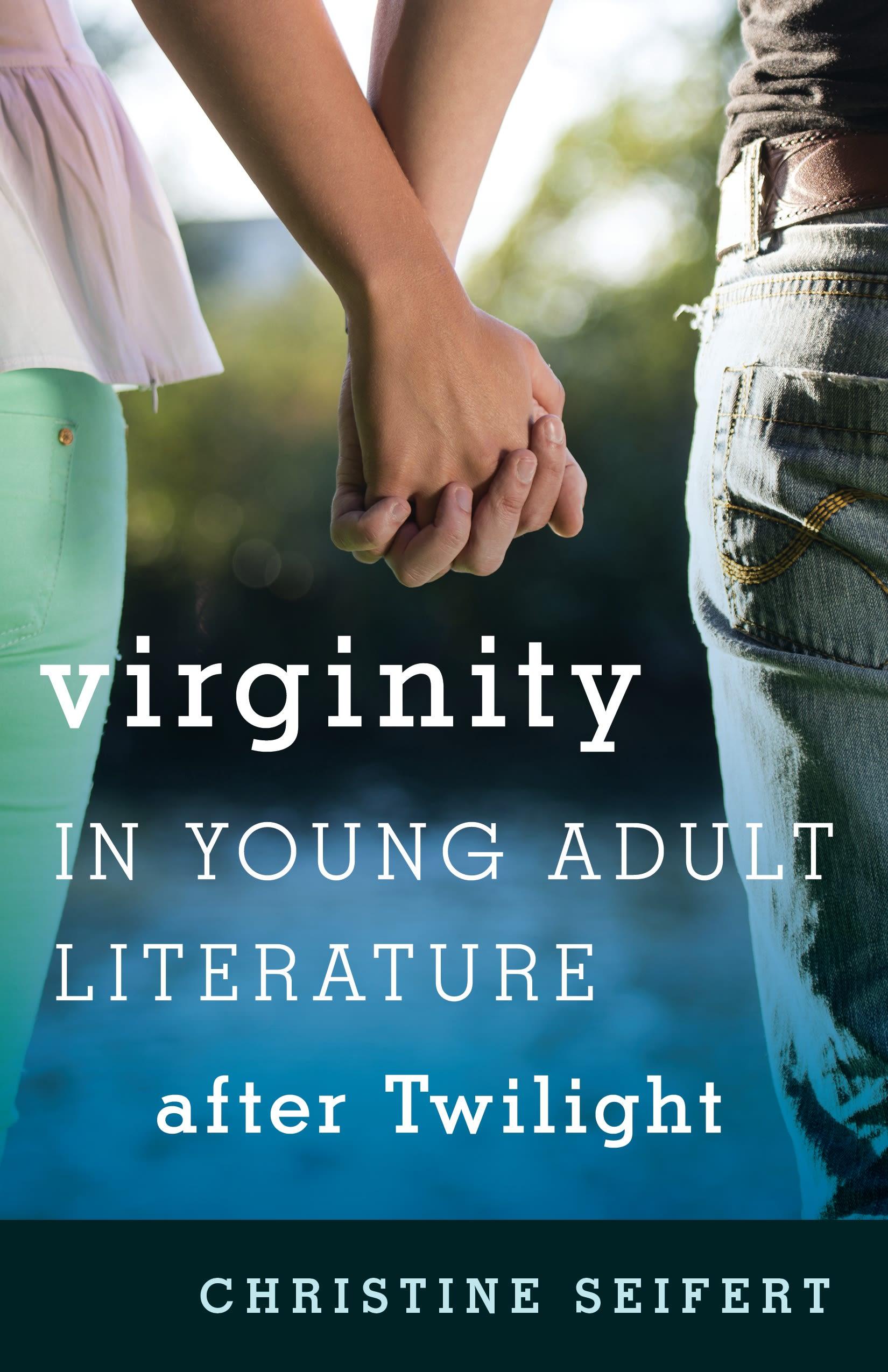
Around 2005 something surprising happened in young adult literature: YA books became obsessed with presenting characters who wanted to have sex but couldn’t—at least not without losing something vital to their identity. Since the publication of Twilight, the YA market has been flooded with books that feature naive virgins finding true love. While some YA novels do present nuanced depictions of sex and of healthy sexual relationships, the fiction most popular with young adult readers presents adolescent girls as virginal sex objects waiting to be fulfilled by their love interests.
In Virginity in Young Adult Literature after Twilight, Christine Seifert looks at an alarming trend in YA novels. Labeling this phenomenon “abstinence porn,” Seifert argues that these novels that fetishize virginity are harmful to readers. Like pornography, such works reduce female characters to objects whose sexual acts are the sole expression of their identities. Chapters in this book examine paranormal, dystopian, and contemporary romance, paying particular attention to recurring virginity themes or tropes. The book also provides an antidote by showing how some sex-positive teen novels provide more empowering messages to readers.
Organized by genre, the books were selected for this study based on their popularity with teens. Exploring how messages about virginity are sustained and repeated from text to text, this book also calls out key reader reactions to demonstrate how they are responding to these messages. Featuring a list of discussion questions, Virginity in Young Adult Literature after Twilight will be a valuable resource for teachers, librarians, parents, and mature young adult readers.
In Virginity in Young Adult Literature after Twilight, Christine Seifert looks at an alarming trend in YA novels. Labeling this phenomenon “abstinence porn,” Seifert argues that these novels that fetishize virginity are harmful to readers. Like pornography, such works reduce female characters to objects whose sexual acts are the sole expression of their identities. Chapters in this book examine paranormal, dystopian, and contemporary romance, paying particular attention to recurring virginity themes or tropes. The book also provides an antidote by showing how some sex-positive teen novels provide more empowering messages to readers.
Organized by genre, the books were selected for this study based on their popularity with teens. Exploring how messages about virginity are sustained and repeated from text to text, this book also calls out key reader reactions to demonstrate how they are responding to these messages. Featuring a list of discussion questions, Virginity in Young Adult Literature after Twilight will be a valuable resource for teachers, librarians, parents, and mature young adult readers.
Pay easily by card, Klarna, Apple Pay or Google Pay. Not happy? You always have a 14-day money-back guarantee. Read more in our terms. If you have any questions, email us at hello@memmo.org.
Memmo makes studying easier – wherever you are in the world. We bring your course books and smart study tools together in one place: summaries, quizzes, podcasts and flashcards. Plus Ted, your study buddy who answers anything you wonder. Over 50,000 students already study here – built to help you learn faster and stress less.