
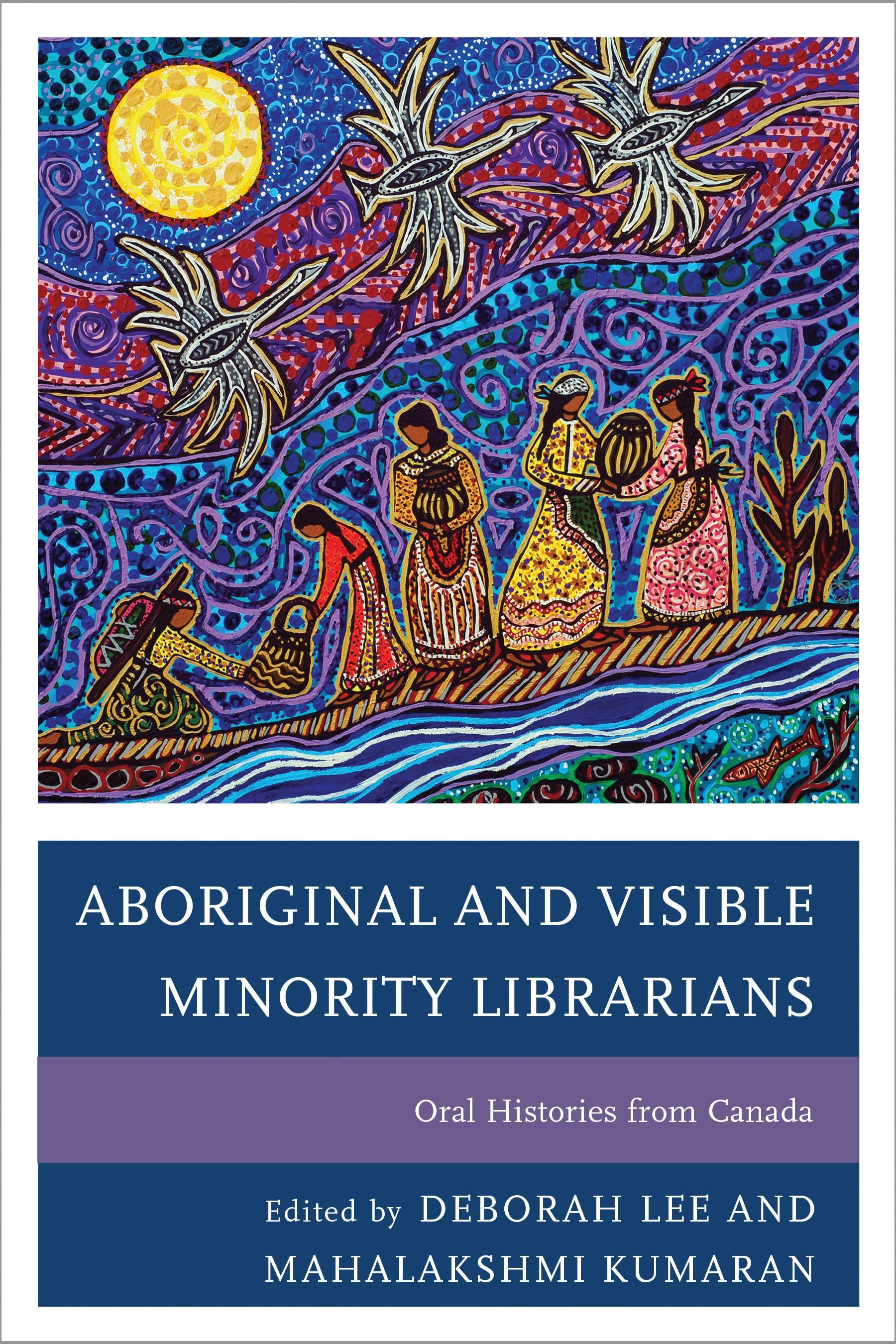
Aboriginal and Visible Minority Librarians: Oral Histories from Canada, is a collection of chapters written by librarians of color in Canada writing about their experiences working in libraries. This book is not only for librarians in Canada and for those who aspire to become librarians, it is also for deans, directors, and faculty of libraries and library schools, managers and supervisors in libraries, human resources personnel, and other decision-makers in the field. It will also appeal to researchers interested in race relations, multiculturalism, intercultural communications and management, cross-cultural communications and management, cross-cultural studies, diversity, Aboriginal peoples, indigenous populations, and ethnic or visible minorities.
The majority of the chapters written by visible minority librarians come from those born outside of Canada. They speak of their love for their new country, its generosity and support towards newcomers and immigrants, and their reasons for taking up the library profession. While few of the librarians speak of open racism, they narrate their experiences as those filled with challenges, self-doubt and courage. Several of the Aboriginal librarians who contributed to this book have worked within tribal communities and tribal libraries. In spite of working within community environments, they have experienced challenges, especially related to lack of funding.
These librarians speak of having to deal with tokenism, lack of mentorship, and working in professional isolation. Some of them narrate their challenges in working with colleagues who do not relate to them. Lack of support is common, as many organizations do not have proper strategies to deal with discrimination. However, these chapters end with a positive note of encouragement for future librarians; the authors encourage all librarians to be engaged, find trusted mentors, seek help when needed, focus on professional development, and find a niche in the organization.
The majority of the chapters written by visible minority librarians come from those born outside of Canada. They speak of their love for their new country, its generosity and support towards newcomers and immigrants, and their reasons for taking up the library profession. While few of the librarians speak of open racism, they narrate their experiences as those filled with challenges, self-doubt and courage. Several of the Aboriginal librarians who contributed to this book have worked within tribal communities and tribal libraries. In spite of working within community environments, they have experienced challenges, especially related to lack of funding.
These librarians speak of having to deal with tokenism, lack of mentorship, and working in professional isolation. Some of them narrate their challenges in working with colleagues who do not relate to them. Lack of support is common, as many organizations do not have proper strategies to deal with discrimination. However, these chapters end with a positive note of encouragement for future librarians; the authors encourage all librarians to be engaged, find trusted mentors, seek help when needed, focus on professional development, and find a niche in the organization.
Pages: 252
Category: Kultur-, Genus- & Postkoloniala studier
e-ISBN: 9781442236820
Shipping weight: 1.2 kg
Ships in: 1-2 days
Pay easily by card, Klarna, Apple Pay or Google Pay. Not happy? You always have a 14-day money-back guarantee. Read more in our terms. If you have any questions, email us at hello@memmo.org.
Memmo makes studying easier – wherever you are in the world. We bring your course books and smart study tools together in one place: summaries, quizzes, podcasts and flashcards. Plus Ted, your study buddy who answers anything you wonder. Over 50,000 students already study here – built to help you learn faster and stress less.