
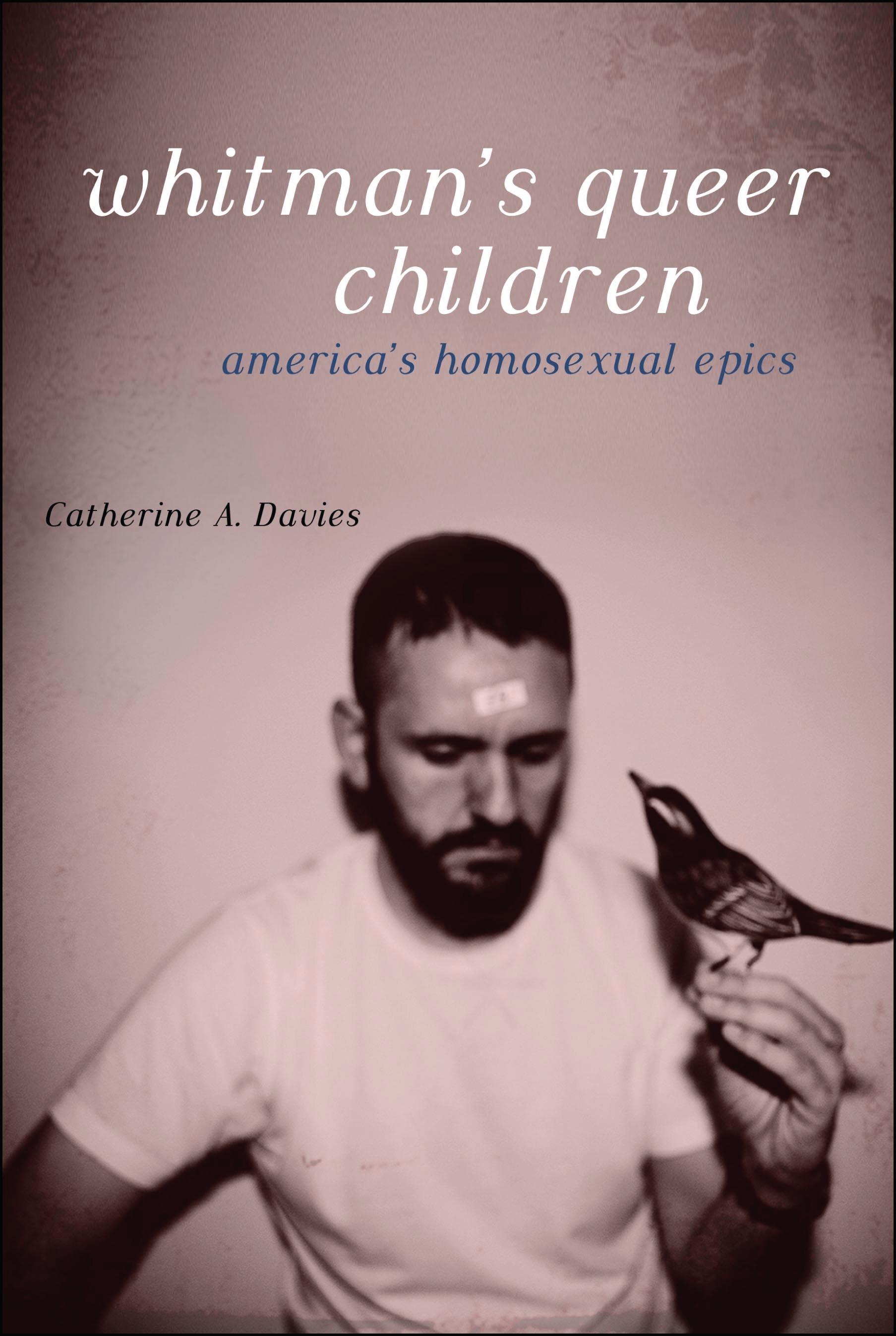
Davies examines the work of four of the most important twentieth-century poets who have explored the epic tradition. Some of the poems display an explicit concern with ideas of American nationhood, while others emulate the formal ambitions and encyclopaedic scope of the epic poem. The study undertakes extensive close readings of Hart Crane's The Bridge (1930), Allen Ginsberg's ?Howl? (1956) and The Fall of America: Poems of These States 1965-71 (1972), James Merrill's The Changing Light at Sandover (1982), and John Ashbery's Flow Chart (1991). Although not primarily an account of a Whitmanian lineage, this book considers Whitman's renegotiation of the dialectic between the public and the private as a context for the project of the homosexual epic, arguing for the existence of a genealogy of epic poems that rethink the relationship between these two spheres. If, as Bakhtin suggests, the job of epic is to ?accomplish the task of cultural, national, and political centralization of the verbal-ideological world,? the idea of the ?homosexual epic? fundamentally problematizes the traditional aims of the genre.
Pay easily by card, Klarna, Apple Pay or Google Pay. Not happy? You always have a 14-day money-back guarantee. Read more in our terms. If you have any questions, email us at hello@memmo.org.
Memmo makes studying easier – wherever you are in the world. We bring your course books and smart study tools together in one place: summaries, quizzes, podcasts and flashcards. Plus Ted, your study buddy who answers anything you wonder. Over 50,000 students already study here – built to help you learn faster and stress less.