
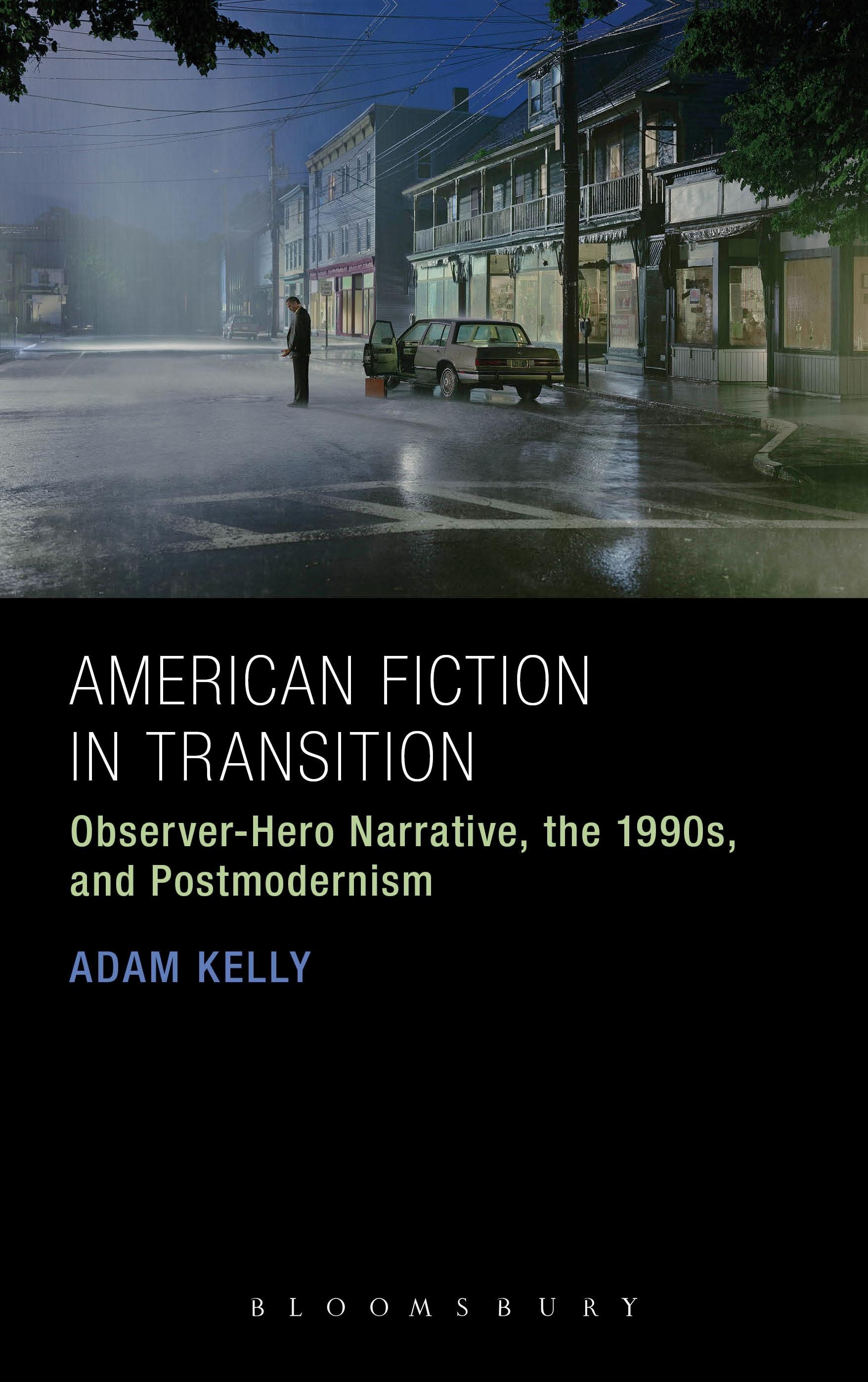
American Fiction in Transition is a study of the observer-hero narrative, a highly significant but critically neglected genre of the American novel. Through the lens of this transitional genre, the book explores the 1990s in relation to debates about the end of postmodernism, and connects the decade to other transitional periods in US literature. Novels by four major contemporary writers are examined: Philip Roth, Paul Auster, E. L. Doctorow and Jeffrey Eugenides. Each novel has a similar structure: an observer-narrator tells the story of an important person in his life who has died. But each story is equally about the struggle to tell the story, to find adequate means to narrate the transitional quality of the hero's life. In playing out this narrative struggle, each novel thereby addresses the broader problem of historical transition, a problem that marks the legacy of the postmodern era in American literature and culture.
Pay easily by card, Klarna, Apple Pay or Google Pay. Not happy? You always have a 14-day money-back guarantee. Read more in our terms. If you have any questions, email us at hello@memmo.org.
Memmo makes studying easier – wherever you are in the world. We bring your course books and smart study tools together in one place: summaries, quizzes, podcasts and flashcards. Plus Ted, your study buddy who answers anything you wonder. Over 50,000 students already study here – built to help you learn faster and stress less.