
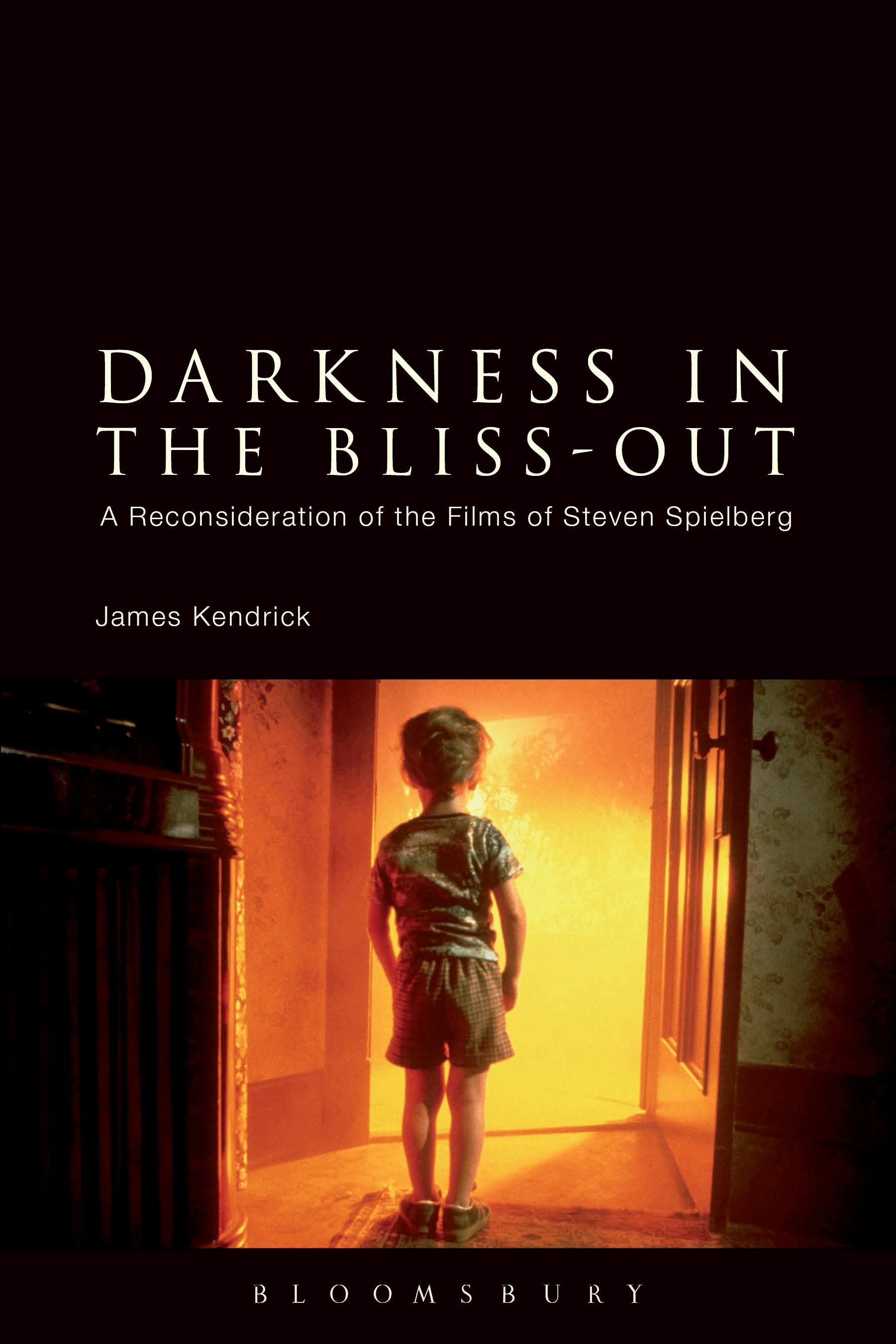
While there has been a significant outpouring of scholarship on Steven Spielberg over the past decade, his films are still frequently discussed as being paternalistic, escapist, and reliant on uncomplicated emotions and complicated special effects. Even those who view his work favorably often see it as essentially optimistic, reassuring, and conservative. James Kendrick takes an alternate view of Spielberg's cinema and proposes that his films-even the most popular ones that seem to trade in easy answers and comforting, reassuring notions of cohesion and narrative resolution-are significantly darker and more emotionally and ideologically complex than they are routinely given credit for.
Darkness in the Bliss-Out demonstrates, through close analysis of a wide range of Spielberg's films, that they are only reassuring on the surface, and that their depths embody a complex and sometimes contradictory view of the human condition.
Darkness in the Bliss-Out demonstrates, through close analysis of a wide range of Spielberg's films, that they are only reassuring on the surface, and that their depths embody a complex and sometimes contradictory view of the human condition.
Pages: 248
Category: Litteraturvetenskap & Teori
e-ISBN: 9781441112507
Shipping weight: 1.2 kg
Ships in: 1-2 days
Pay easily by card, Klarna, Apple Pay or Google Pay. Not happy? You always have a 14-day money-back guarantee. Read more in our terms. If you have any questions, email us at hello@memmo.org.
Memmo makes studying easier – wherever you are in the world. We bring your course books and smart study tools together in one place: summaries, quizzes, podcasts and flashcards. Plus Ted, your study buddy who answers anything you wonder. Over 50,000 students already study here – built to help you learn faster and stress less.