
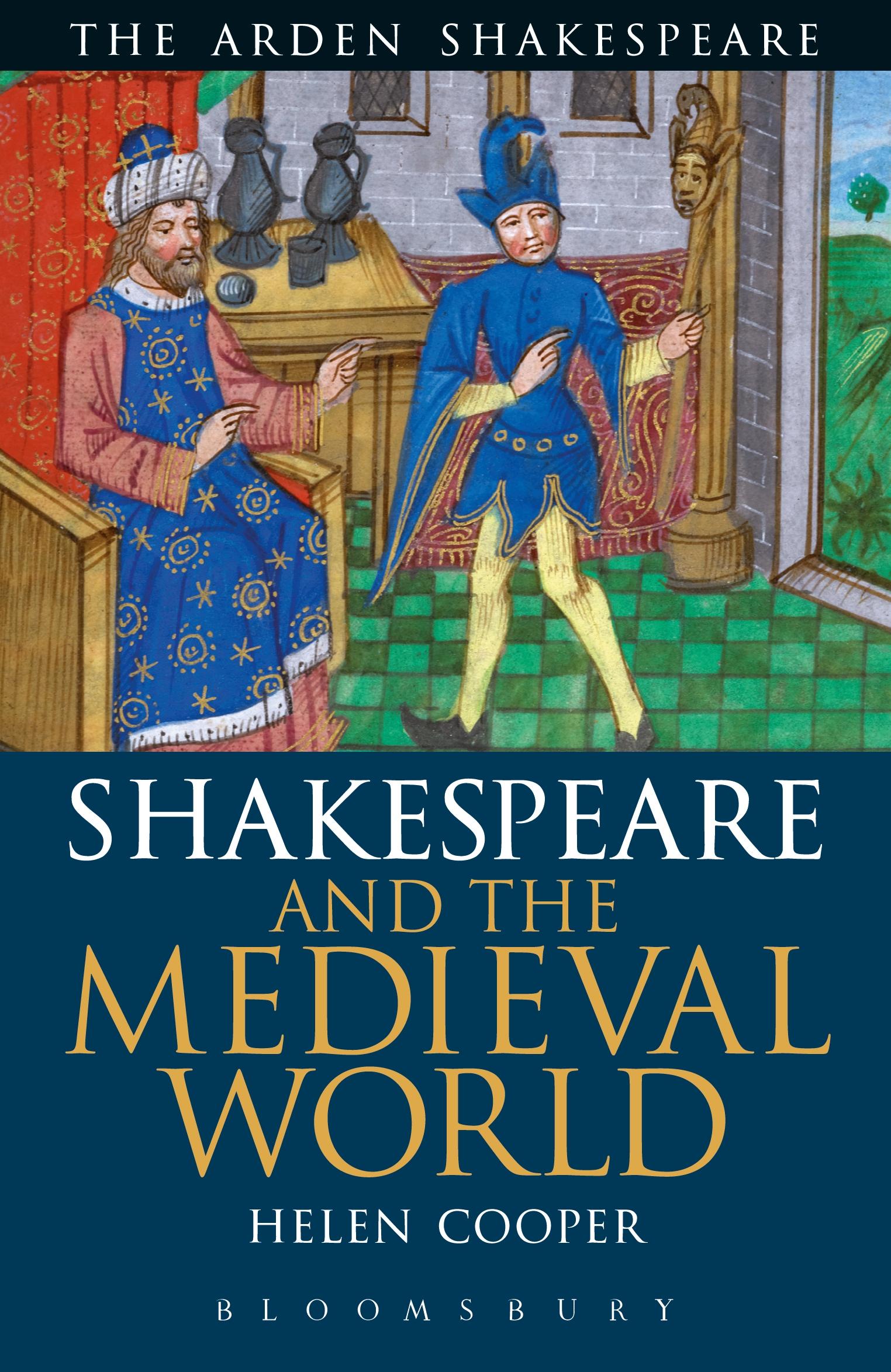
Helen Cooper's unique study examines how continuations of medieval culture into the early modern period, forged Shakespeare's development as a dramatist and poet. Medieval culture pervaded his life and work, from his childhood, spent within reach of the last performances of the Coventry Corpus Christi plays, to his dramatisation of Chaucer in The Two Noble Kinsmen three years before his death. The world he lived in was still largely a medieval one, in its topography and its institutions. The language he spoke had been forged over the centuries since the Norman Conquest. The genres in which he wrote, not least historical tragedy, love-comedy and romance, were medieval inventions. A high proportion of his plays have medieval origins and he kept returning to Chaucer, acknowledged as the greatest poet in the English language. Above all, he grew up with an English tradition of drama developed during the Middle Ages that assumed that it was possible to stage anything - all time, all space.
Shakespeare and the Medieval World provides a panoramic overview that opens up new vistas within his work and uncovers the richness of his inheritance.
Shakespeare and the Medieval World provides a panoramic overview that opens up new vistas within his work and uncovers the richness of his inheritance.
Pay easily by card, Klarna, Apple Pay or Google Pay. Not happy? You always have a 14-day money-back guarantee. Read more in our terms. If you have any questions, email us at hello@memmo.org.
Memmo makes studying easier – wherever you are in the world. We bring your course books and smart study tools together in one place: summaries, quizzes, podcasts and flashcards. Plus Ted, your study buddy who answers anything you wonder. Over 50,000 students already study here – built to help you learn faster and stress less.