
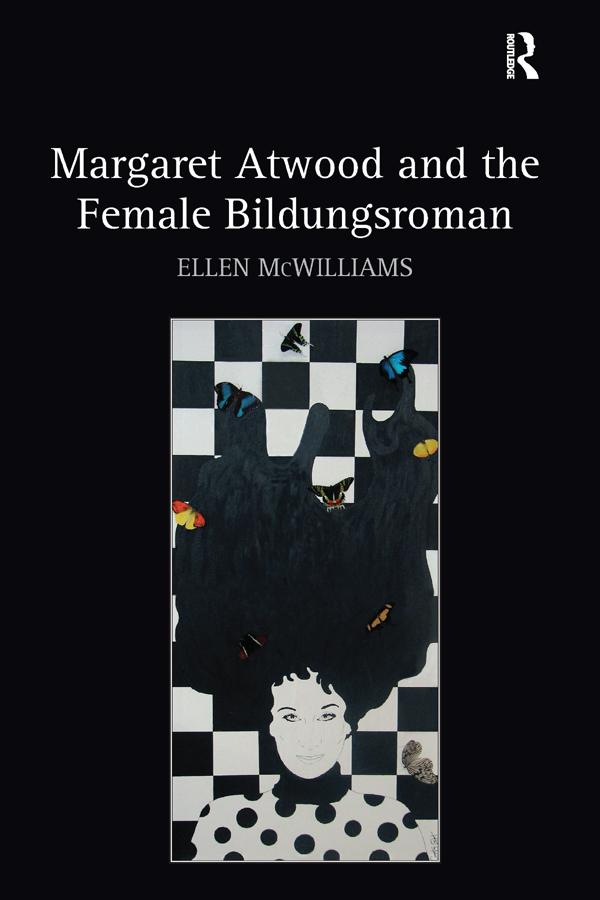
Examining Margaret Atwood's work in the context of the complex history of the Bildungsroman, Ellen McWilliams explores how the genre has been appropriated by women writers in the second half of the twentieth century. She demonstrates that Atwood's early work - her own 'coming of age' fiction, including unpublished works as well as The Edible Woman, Surfacing, and Lady Oracle - both engages with and works against the paradigms of identity which are traditionally associated with the genre. Making extensive use of unpublished manuscripts in the Atwood Collection at the University of Toronto, McWilliams uncovers influences that shaped Atwood's fashioning of identity in her early novels, paying particular attention to Atwood's preoccupation with survival as a key symbol of Canadian literature, culture, and identity. She also considers the genre's afterlife on display in Cat's Eye, The Robber Bride, Alias Grace, The Blind Assassin, and Moral Disorder, in which the formulations of selfhood and identity in Atwood's early fiction are revisited and developed. Atwood emerges as a writer who self-consciously invokes and then undercuts the traditions of the Bildungsroman, a turn that may be read as a means of at once interrogating and perpetuating the form. McWilliams's book furthers our understanding of subjectivity in Atwood's fiction and contributes to ongoing conversations about the role gender and cultural contexts play in reframing generic boundaries.
Pay easily by card, Klarna, Apple Pay or Google Pay. Not happy? You always have a 14-day money-back guarantee. Read more in our terms. If you have any questions, email us at hello@memmo.org.
Memmo makes studying easier – wherever you are in the world. We bring your course books and smart study tools together in one place: summaries, quizzes, podcasts and flashcards. Plus Ted, your study buddy who answers anything you wonder. Over 50,000 students already study here – built to help you learn faster and stress less.
You might also like
Buy the book0