
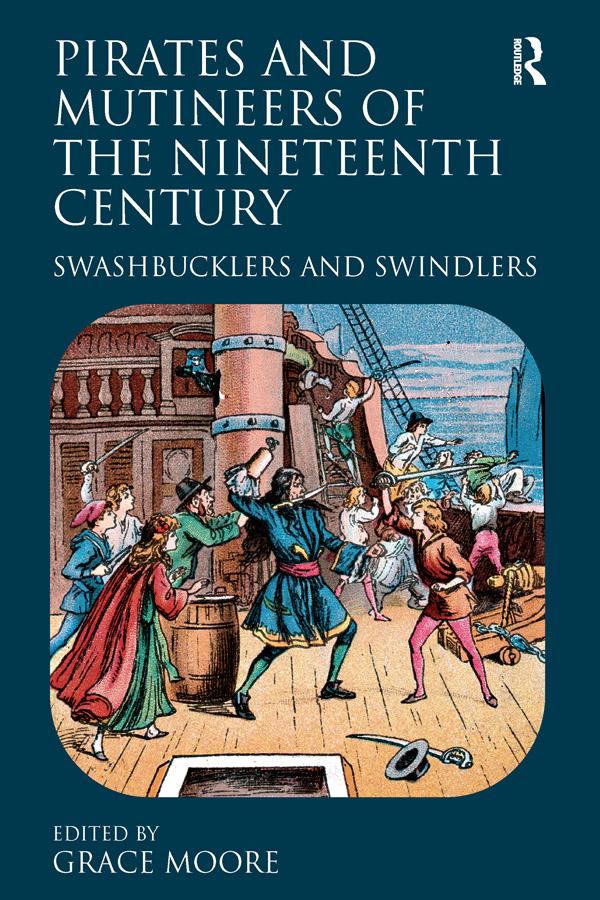
The first volume devoted to literary pirates in the nineteenth century, this collection examines changes in the representation of the pirate from the beginning of the nineteenth century through the late Victorian period. Gone were the dangerous ruffians of the eighteenth-century novel and in their place emerged a set of brooding and lovable rogues, as exemplified by Byron's Corsair. As the contributors engage with acts of piracy by men and women in the literary marketplace as well as on the high seas, they show that both forms were foundational in the promotion and execution of Britain's imperial ambitions. Linking the pirate's development as a literary figure with the history of piracy and the making of the modern state tells us much about race, class, and evolving gender relationships. While individual chapters examine key texts like Treasure Island, Dickens's 1857 'mutiny' story in Household Words, and Peter Pan, the collection as a whole interrogates the growth of pirate myths and folklore throughout the nineteenth century and the depiction of their nautical heirs in contemporary literature and culture.
Pay easily by card, Klarna, Apple Pay or Google Pay. Not happy? You always have a 14-day money-back guarantee. Read more in our terms. If you have any questions, email us at hello@memmo.org.
Memmo makes studying easier – wherever you are in the world. We bring your course books and smart study tools together in one place: summaries, quizzes, podcasts and flashcards. Plus Ted, your study buddy who answers anything you wonder. Over 50,000 students already study here – built to help you learn faster and stress less.
You might also like
Buy the book0