
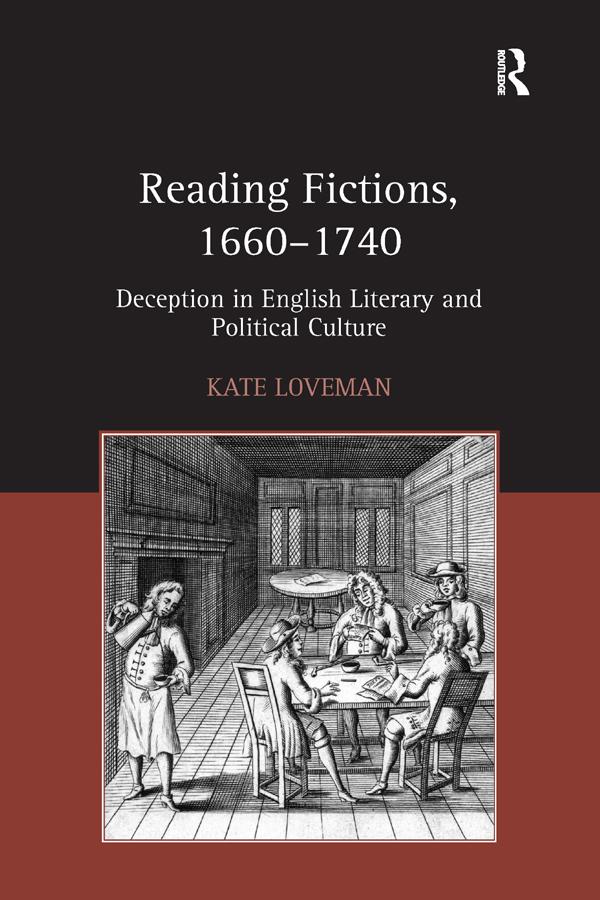
English society in the late seventeenth and early eighteenth centuries was fascinated by deception, and concerns about deceptive narratives had a profound effect on reading practices. Kate Loveman's interdisciplinary study explores the ways in which reading habits, first developed to deal with suspect political and religious texts, were applied to a range of genres, and, as authors responded to readers' critiques, shaped genres. Examining responses to authors such as Defoe, Swift, Richardson and Fielding, Loveman investigates reading as a sociable activity. She uncovers a lost critical discourse, centred on strategies of 'shamming', which involved readers in public displays of reason, wit and ironic pretence as they discussed the credibility of oral and written narratives. Widely understood by early modern readers and authors, the codes of this rhetoric have now been forgotten, to the detriment of our perception of the period's literature and politics. Loveman's lively book offers a striking new approach to Restoration and eighteenth-century literary culture and, in particular, to understanding the development of the novel.
Pages: 232
Category: Litteraturvetenskap & Teori
e-ISBN: 9781351906586
Shipping weight: 1.2 kg
Ships in: 1-2 days
Pay easily by card, Klarna, Apple Pay or Google Pay. Not happy? You always have a 14-day money-back guarantee. Read more in our terms. If you have any questions, email us at hello@memmo.org.
Memmo makes studying easier – wherever you are in the world. We bring your course books and smart study tools together in one place: summaries, quizzes, podcasts and flashcards. Plus Ted, your study buddy who answers anything you wonder. Over 50,000 students already study here – built to help you learn faster and stress less.
You might also like
Buy the book0