
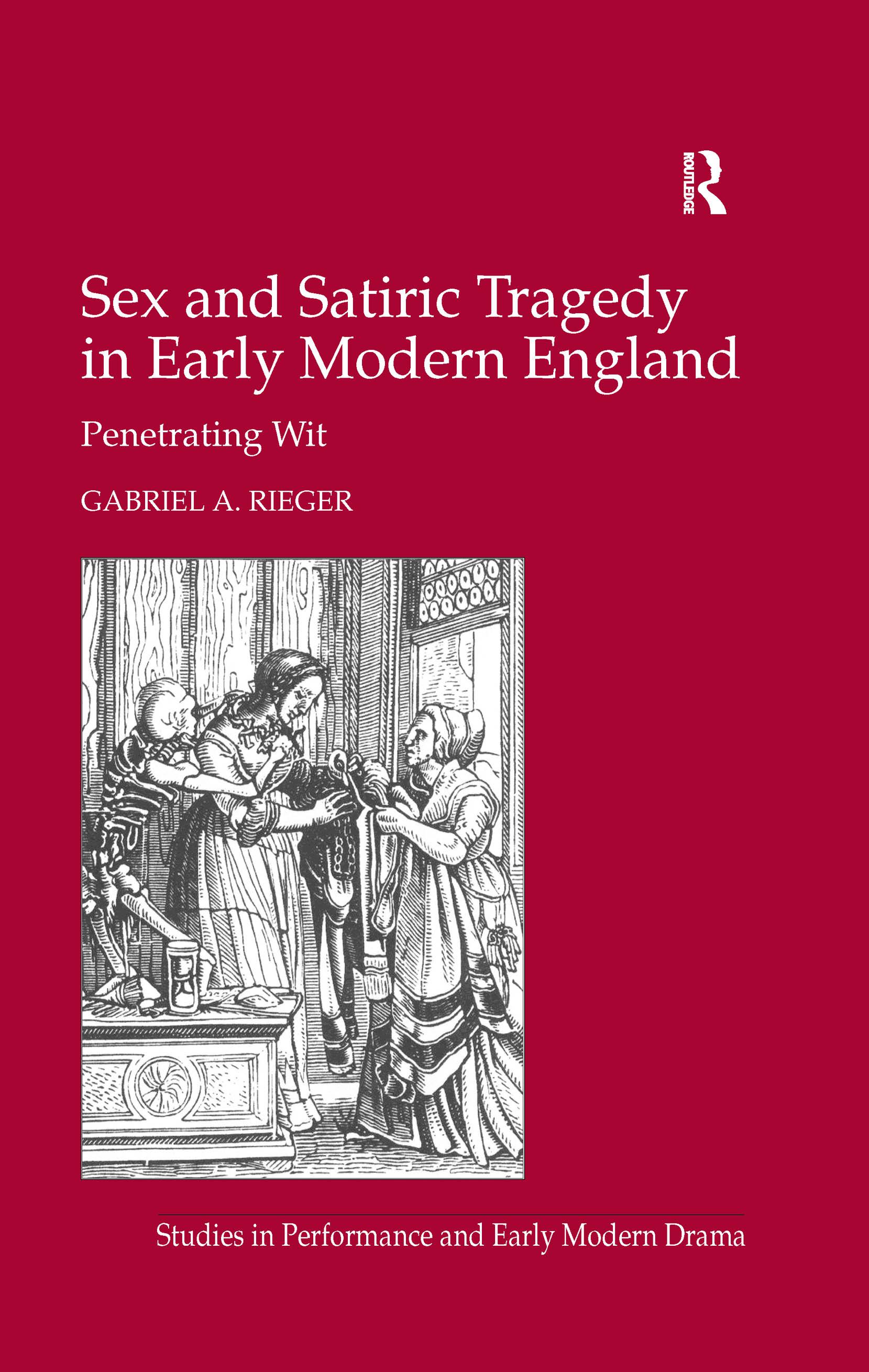
Drawing upon recent scholarship in Renaissance studies regarding notions of the body, political, physical and social, this study examines how the satiric tragedians of the English Renaissance employ the languages of sex - including sexual slander, titillation, insinuation and obscenity - in the service of satiric aggression. There is a close association between the genre of satire and sexually descriptive language in the period, author Gabriel Rieger argues, particularly in the ways in which both the genre and the languages embody systems of oppositions. In exploring the various purposes which sexually descriptive language serves for the satiric tragedian, Rieger reviews a broad range of texts, ancient, Renaissance, and contemporary, by satiric tragedians, moralists, medical writers and critics, paying particular attention to the works of William Shakespeare, Thomas Middleton and John Webster
Pay easily by card, Klarna, Apple Pay or Google Pay. Not happy? You always have a 14-day money-back guarantee. Read more in our terms. If you have any questions, email us at hello@memmo.org.
Memmo makes studying easier – wherever you are in the world. We bring your course books and smart study tools together in one place: summaries, quizzes, podcasts and flashcards. Plus Ted, your study buddy who answers anything you wonder. Over 50,000 students already study here – built to help you learn faster and stress less.
You might also like
Buy the book0