
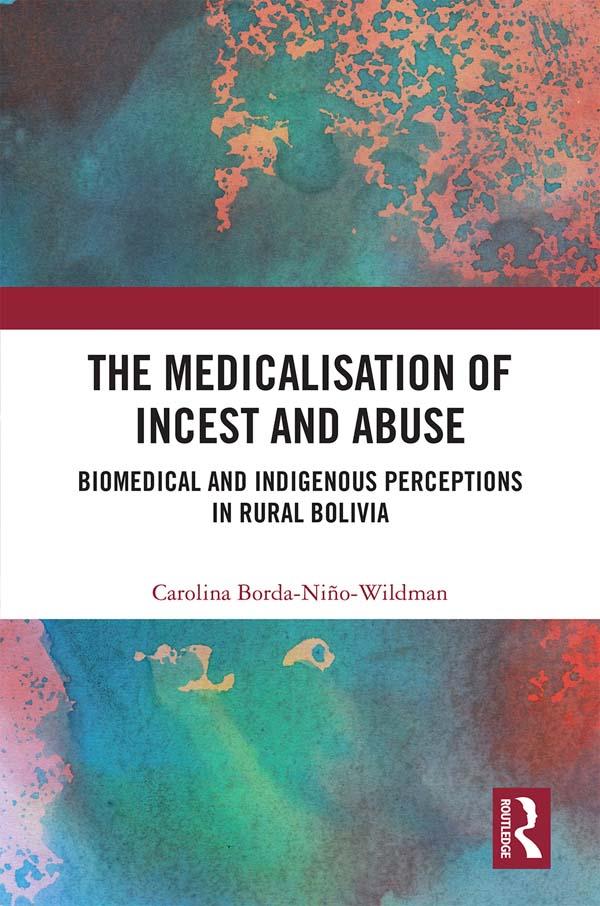
Combining biomedical, psychological, and anthropological approaches to intergenerational incestuous violence experienced by rural indigenous [and] peasant women in the Andean region, this book raises new questions surrounding humanness and the normalisation of sexual violence. Through original ethnographical research, the author analyses Andean understandings of incest, medical positivist practices, as well as the psychiatric ‘treatment’ of incestuous and gender-based violence.
The book examines the implications that psychiatric institutionalisation within the context of interethnic, gender, and class schemes, has on what it means to be human. It also draws on a theoretical framework in order to understand how discourses shape, and are simultaneously problematized by individual experiences of sexual violence and incest. Intergenerational incestuous violence against women is not necessarily an exceptional event, but can be an ordinary process, one where through the articulation of biomedical and indigenous medicine, as well as indigenous and mestizo forms of administration of political power, women as subjects can become possible.
This book will appeal to scholars and students with an interest in gender-based violence, as well as mental-health practitioners and academics in Latin American studies, anthropology, gender studies, and sociology.
Pay easily by card, Klarna, Apple Pay or Google Pay. Not happy? You always have a 14-day money-back guarantee. Read more in our terms. If you have any questions, email us at hello@memmo.org.
Memmo makes studying easier – wherever you are in the world. We bring your course books and smart study tools together in one place: summaries, quizzes, podcasts and flashcards. Plus Ted, your study buddy who answers anything you wonder. Over 50,000 students already study here – built to help you learn faster and stress less.