
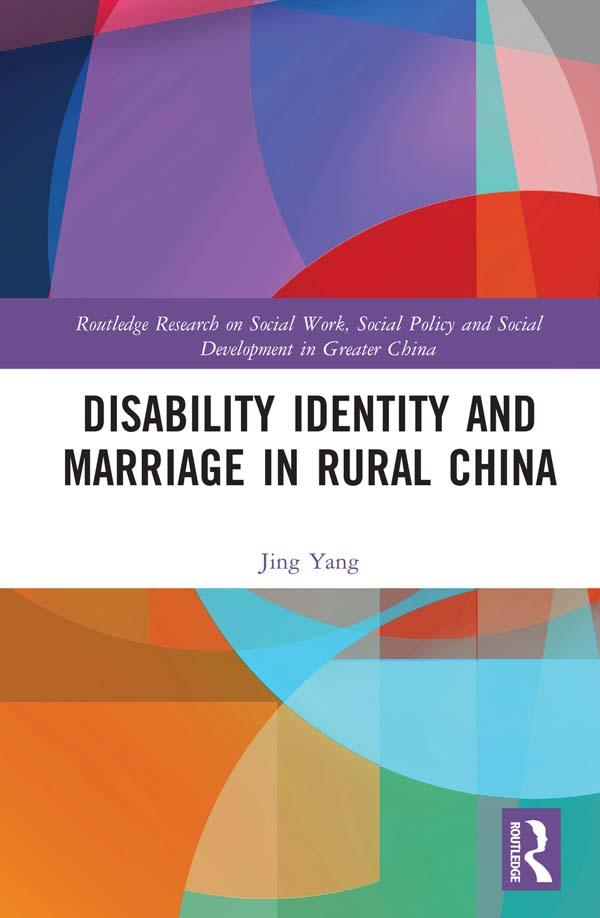
Based on data collected through in-depth fieldwork observation and interviews in Bai Township, this book examines how women with disabilities in rural Southwest China compensate for their disability identity through marriage. As the first book to theorize the married life of rural-based women with different types of disabilities, it provides a more holistic picture of their marital life by tracing the marriage process from mate selection to wedding ceremony, reproduction and role performance. It also generates a substantive theory grounded in the real experiences of women living with disabilities with Jing Yang arguing that these women are not passive victims in the marital process, but active agents who endeavour to minimize the risk of abuse and maximize security and satisfaction in their marriage.
By examining the effects of fertility, patriarchy and village society on women with disability, this book will be of huge interest to students and scholars of many disciplines, including disability studies, sociology, social work, women's studies and Chinese culture and society.
Pay easily by card, Klarna, Apple Pay or Google Pay. Not happy? You always have a 14-day money-back guarantee. Read more in our terms. If you have any questions, email us at hello@memmo.org.
Memmo makes studying easier – wherever you are in the world. We bring your course books and smart study tools together in one place: summaries, quizzes, podcasts and flashcards. Plus Ted, your study buddy who answers anything you wonder. Over 50,000 students already study here – built to help you learn faster and stress less.