
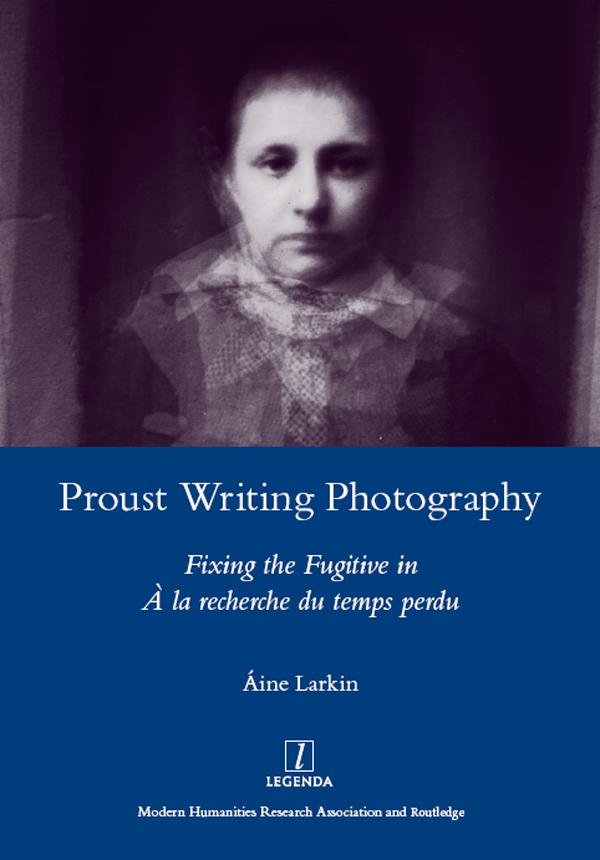
The importance of vision and visual arts such as painting, theatre, and sculpture in Marcel Proust's A la recherche du temps perdu has long been affirmed; another significant system of visual representation in the novel is photography. Proust appropriated photography as a practice with its own distinctive characteristics which could inform his writing about the processes of perception and memory. Through close textual analysis of scenes where photography is experienced or observed as a practice, and scenes where photography is written into the body of the text, Aine Larkin offers an invigorating new study that sheds genuinely new light on the presence of photographic motifs in Proust's novel, and the subtlety of Proust's engagement with this modern imaging system in his work.
Pay easily by card, Klarna, Apple Pay or Google Pay. Not happy? You always have a 14-day money-back guarantee. Read more in our terms. If you have any questions, email us at hello@memmo.org.
Memmo makes studying easier – wherever you are in the world. We bring your course books and smart study tools together in one place: summaries, quizzes, podcasts and flashcards. Plus Ted, your study buddy who answers anything you wonder. Over 50,000 students already study here – built to help you learn faster and stress less.
You might also like
Buy the book0