
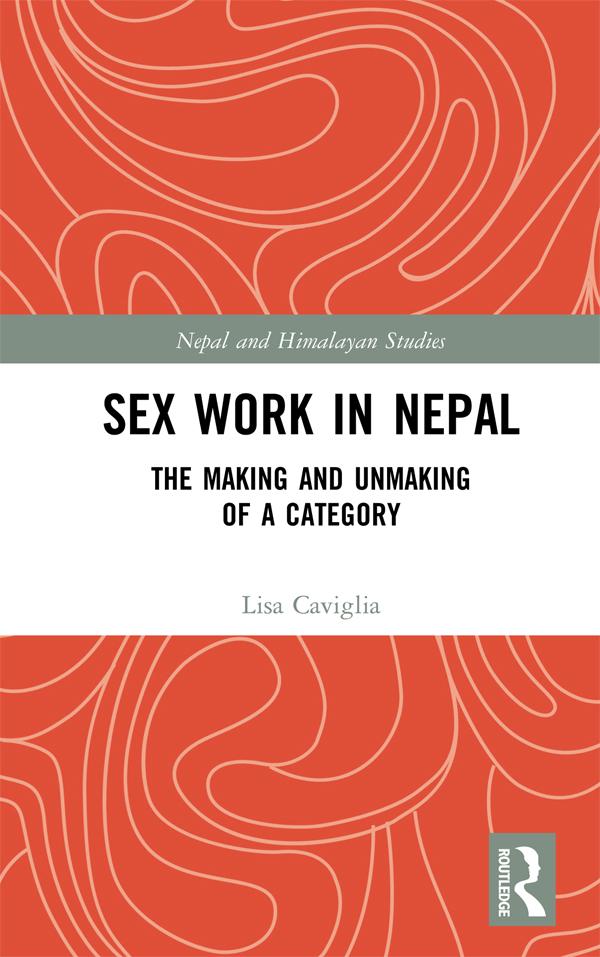
This book explores ‘sex work’ in Nepal as a social and analytical category. Narrating stories of those subsumed under such definition, it examines changes as well as continuities characterising socio-cultural norms and perceptions through an analysis of sexual consumption. It also highlights the ways in which the development sector, media, and local community discourses frame ‘sex work’ as a distinct category.
How does the work of development aid projects affect the understanding of the sex worker category? How are visual and media images employed to mark spaces of perdition in the Nepalese urban setting and what forms of imagination do they trigger? How are intimate practices and relations transformed by imported notions of love, and how do standards of propriety related to such interactions shift? This book attempts to answer some of these questions.
An in-depth and intimate ethnography, the book deconstructs the sex worker category against the backdrop of global influences within local urban surroundings and points to the contradictions therein. Furthermore, through thorough descriptions of the experiences, agency, decision-making processes, and lives of those labelled as sex workers, the book challenges concepts such as deviance and victimhood. It proposes a counternarrative by rethinking ideas of gender, objectification, marginality, symbolic violence, and discrimination. This book will greatly interest researchers and scholars in women and gender studies, sociology and social anthropology, South Asian studies and social sciences, as well as NGOs and those involved in the development sector.
Pay easily by card, Klarna, Apple Pay or Google Pay. Not happy? You always have a 14-day money-back guarantee. Read more in our terms. If you have any questions, email us at hello@memmo.org.
Memmo makes studying easier – wherever you are in the world. We bring your course books and smart study tools together in one place: summaries, quizzes, podcasts and flashcards. Plus Ted, your study buddy who answers anything you wonder. Over 50,000 students already study here – built to help you learn faster and stress less.