
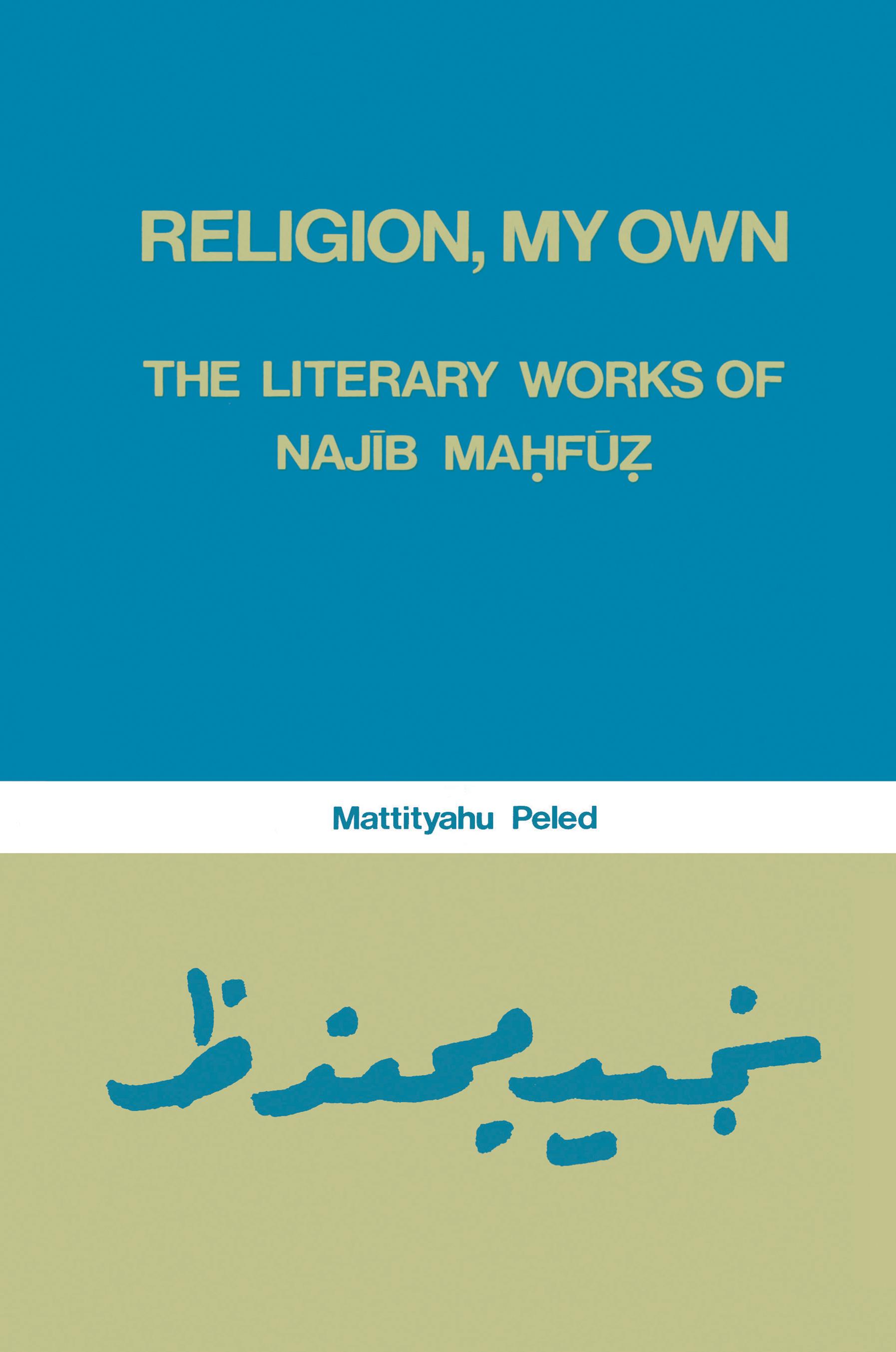
The Egyptian writer Najib Mahfuz has been acclaimed by many Arab critics as the greatest living Arabic literary writer and one of the pioneers of social criticism in literature in Egypt. This work, the only major book-length study of Mahfuz's work, traces his literary development as a writer and analyzes the thematic aspect of his work: the relationship between individual and society. Mahfuz's method of presenting this relationship in his novels and short stories is studied within the context of his Islamic world view. ,
Mahfuz's writing follows the models set by modern Western literature. His unique contribution to Egyptian literature is that he made the novel and the short story a means of exploring indigenous problems. Egyptian writers who preceded him paved the way for his achievements, but none reached his mastery. He enabled the Egyptian genius to express itself in literary forms new to Arabic Literary tradition.
The literary career of Mahfuz is marked by three distinct phases. The first is the Pharaonic phase (1935-38), in which three historical novels were written. The second is the realistic phase (1938-52), in which most of his great works were written, including the Cairo trilogy. The third phase began, after a pause of six years, in 1958, and is distinguished by symbolic writings and a deep concern for the individual in a changing society.
Pay easily by card, Klarna, Apple Pay or Google Pay. Not happy? You always have a 14-day money-back guarantee. Read more in our terms. If you have any questions, email us at hello@memmo.org.
Memmo makes studying easier – wherever you are in the world. We bring your course books and smart study tools together in one place: summaries, quizzes, podcasts and flashcards. Plus Ted, your study buddy who answers anything you wonder. Over 50,000 students already study here – built to help you learn faster and stress less.