
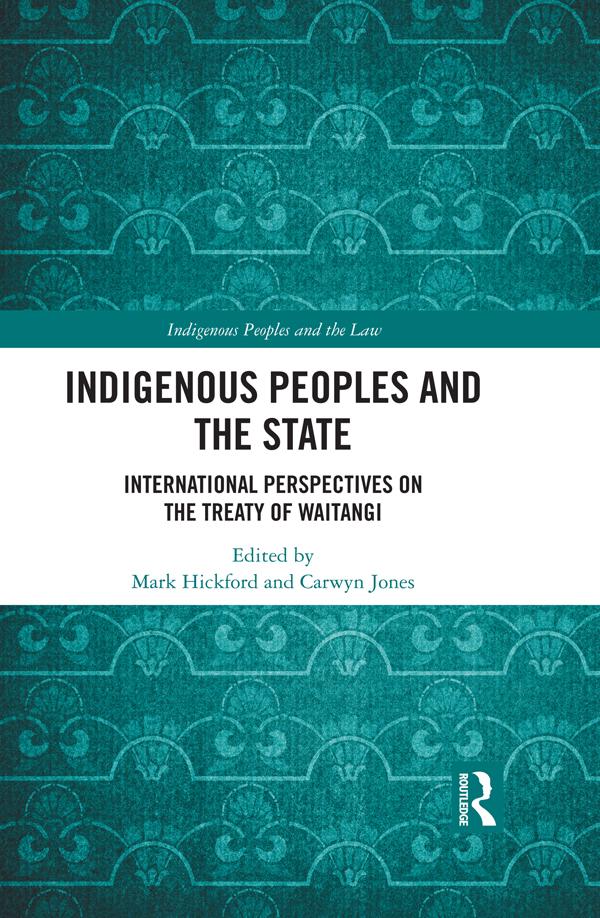
Across the globe, there are numerous examples of treaties, compacts, or other negotiated agreements that mediate relationships between Indigenous peoples and states or settler communities. Perhaps the best known of these, New Zealand’s Treaty of Waitangi is a living, and historically rich, illustration of this types of negotiated agreement, and both the symmetries and asymmetries of Indigenous-State relations. This collection refreshes the scholarly and public discourse relating to the Treaty of Waitangi and makes a significant contribution to the international discussion of Indigenous-State relations and reconciliation. The essays in this collection explore the diversity of meanings that have been ascribed to Indigenous-State compacts, such as the Treaty, by different interpretive communities. As such, they enable and illuminate a more dynamic conversation about their meanings and applications, as well as their critical role in processes of reconciliation and transitional justice today.
Pay easily by card, Klarna, Apple Pay or Google Pay. Not happy? You always have a 14-day money-back guarantee. Read more in our terms. If you have any questions, email us at hello@memmo.org.
Memmo makes studying easier – wherever you are in the world. We bring your course books and smart study tools together in one place: summaries, quizzes, podcasts and flashcards. Plus Ted, your study buddy who answers anything you wonder. Over 50,000 students already study here – built to help you learn faster and stress less.