
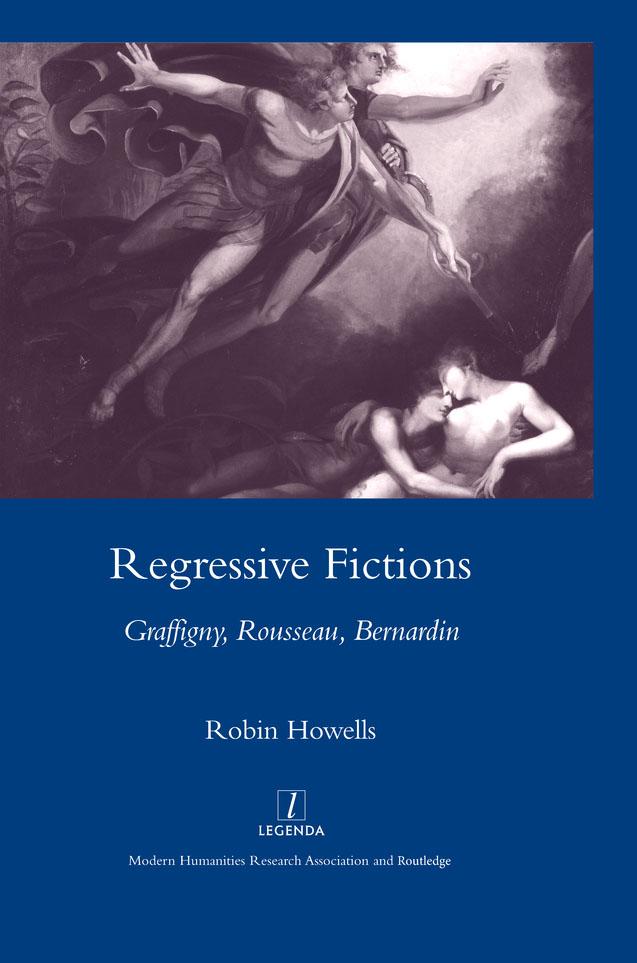
"In a cultural shift around the mid-point of the French eighteenth century, the mode of wit is increasingly displaced by bourgeois pathos. Social sophistication and sexual experience are rejected in favour of a retreat into ideal imagination. Instead of the novel of worldliness, we encounter fictions of better worlds: original, natural, familial, innocent and harmonious, protected against reality and time. The regressive shift is traced in this study in general terms, and then through detailed analysis of three of the best-selling novels of the period. The turning-point is represented by Mme de Graffignys Lettres dune Peruvienne (1747, 1752) with its profound ambivalence towards knowledge. A new order is revealed and set out, but still declared lacking, in Rousseaus Julie, ou la Nouvelle Heloise (1761). The visionary return to the organic wholeness of nature is offered by Bernardins Paul et Virginie (1788)."
Pay easily by card, Klarna, Apple Pay or Google Pay. Not happy? You always have a 14-day money-back guarantee. Read more in our terms. If you have any questions, email us at hello@memmo.org.
Memmo makes studying easier – wherever you are in the world. We bring your course books and smart study tools together in one place: summaries, quizzes, podcasts and flashcards. Plus Ted, your study buddy who answers anything you wonder. Over 50,000 students already study here – built to help you learn faster and stress less.
You might also like
Buy the book0