
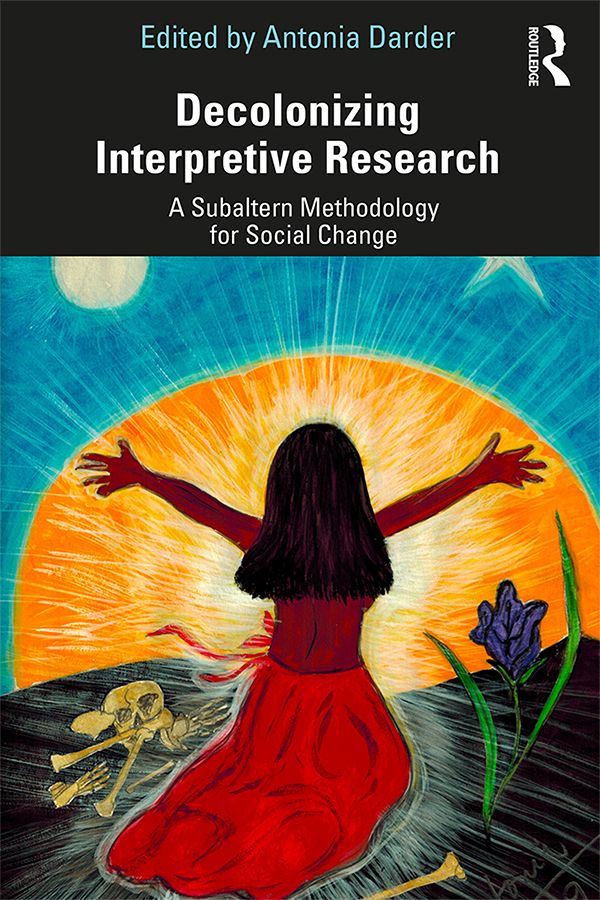
To what extent do Western political and economic interests distort perceptions and affect the Western production of research about the other? The concept of 'colonializing epistemologies' describes how knowledges outside the Western purview are often not only rendered invisible but either absorbed or destroyed.
Decolonizing Interpretive Research outlines a form of oppositional study that undertakes a critical analysis of bodies of knowledge in any field that engages with issues related to the lives and survival of those deemed as other. It focuses on creating intellectual spaces that will facilitate new readings of the world and lead toward change, both in theory and practice. The book begins by conceptualizing the various aspects of the decolonizing interpretive research approach for the reader, and the following six chapters each focus on one of these issues, grounded in a specific decolonizing interpretive study.
With a foreword by Linda Tuhiwai Smith, this book will allow readers to not only engage with the conceptual framework of this decolonizing methodology but will also give them access to examples of how the methodology has informed decolonizing interpretive studies in practice.
Pay easily by card, Klarna, Apple Pay or Google Pay. Not happy? You always have a 14-day money-back guarantee. Read more in our terms. If you have any questions, email us at hello@memmo.org.
Memmo makes studying easier – wherever you are in the world. We bring your course books and smart study tools together in one place: summaries, quizzes, podcasts and flashcards. Plus Ted, your study buddy who answers anything you wonder. Over 50,000 students already study here – built to help you learn faster and stress less.