
Where did the concept of 'Asia' come from? Was this a term coined by the many communities that spanned this great continent, or was it a Western invention, imposed upon those lands and populations that were so 'other' to themselves?
This book argues that 'Asia' is a European creation, and goes back in time to show how and when this term was invented. Unknown to 'Asians' until the 19th century, it grouped together a vast area of diverse cultures and peoples who were simply identified as 'the other' in a world dominated by Europe.
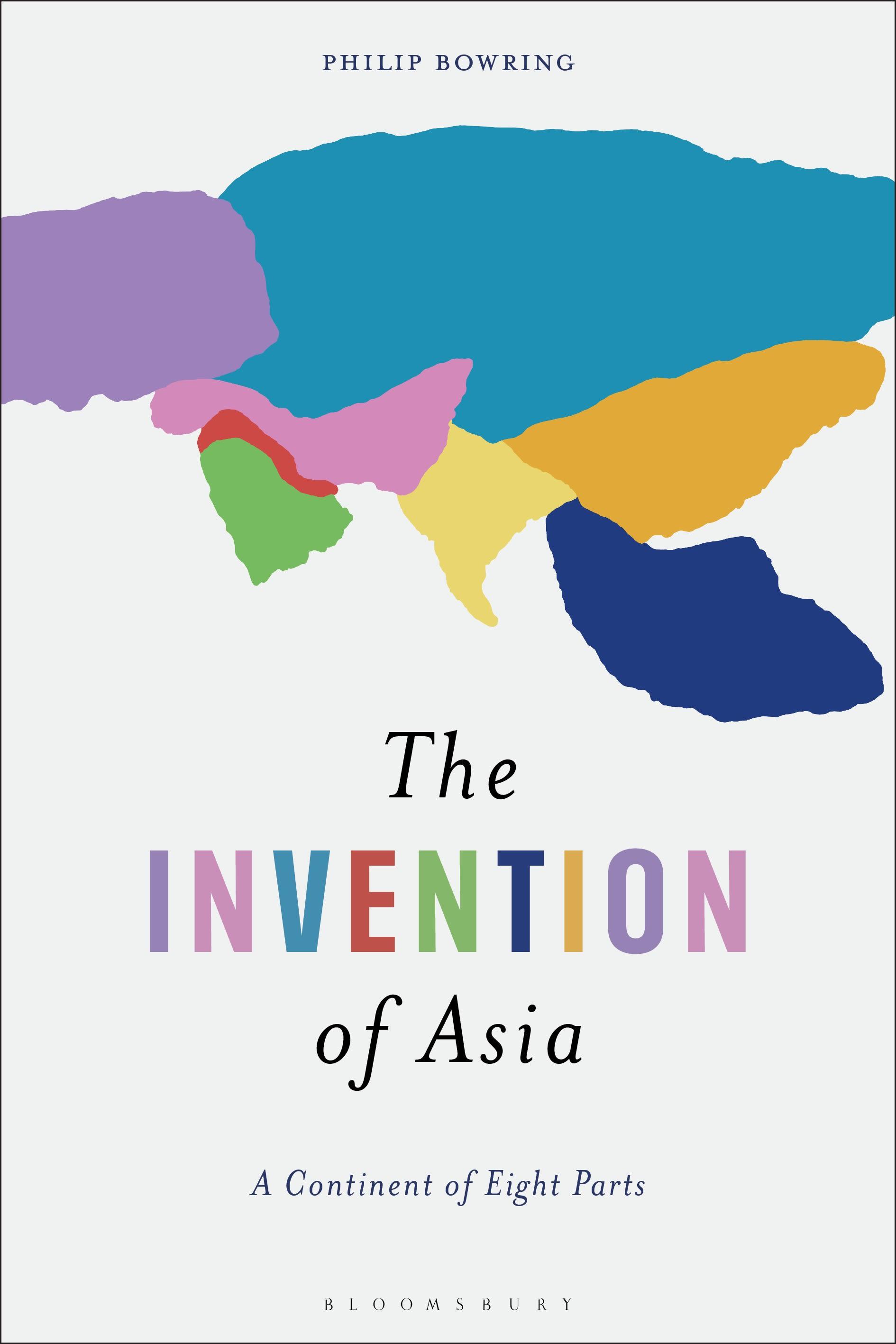
Arguing that far from being fixed and separate, Bowring shows how peoples of Europe and Asia flowed fluidly back and forth across the land mass over millennia. Arguing that this continent should therefore be viewed as a series of 8 sub-continents interconnected through religion, trade, cultures and war, he shows how each sub-continent has its own unique history, but were also part of wider human, commodity and knowledge networks.
Challenging our prevailing ideas of regional and national divisions, The Invention of Asia traces some of the major interactions of these subcontinents over the past 5,000 years. From the great migrations of the central continent to the civilizations of Han China and the mighty Achaemenid and Hellenistic Empires, it shows how misleading the Europe-Asia division is, and why new terminology is needed to better reflect their geographical and cultural differences.
This book argues that 'Asia' is a European creation, and goes back in time to show how and when this term was invented. Unknown to 'Asians' until the 19th century, it grouped together a vast area of diverse cultures and peoples who were simply identified as 'the other' in a world dominated by Europe.
Arguing that far from being fixed and separate, Bowring shows how peoples of Europe and Asia flowed fluidly back and forth across the land mass over millennia. Arguing that this continent should therefore be viewed as a series of 8 sub-continents interconnected through religion, trade, cultures and war, he shows how each sub-continent has its own unique history, but were also part of wider human, commodity and knowledge networks.
Challenging our prevailing ideas of regional and national divisions, The Invention of Asia traces some of the major interactions of these subcontinents over the past 5,000 years. From the great migrations of the central continent to the civilizations of Han China and the mighty Achaemenid and Hellenistic Empires, it shows how misleading the Europe-Asia division is, and why new terminology is needed to better reflect their geographical and cultural differences.
Pay easily by card, Klarna, Apple Pay or Google Pay. Not happy? You always have a 14-day money-back guarantee. Read more in our terms. If you have any questions, email us at hello@memmo.org.
Memmo makes studying easier – wherever you are in the world. We bring your course books and smart study tools together in one place: summaries, quizzes, podcasts and flashcards. Plus Ted, your study buddy who answers anything you wonder. Over 50,000 students already study here – built to help you learn faster and stress less.