
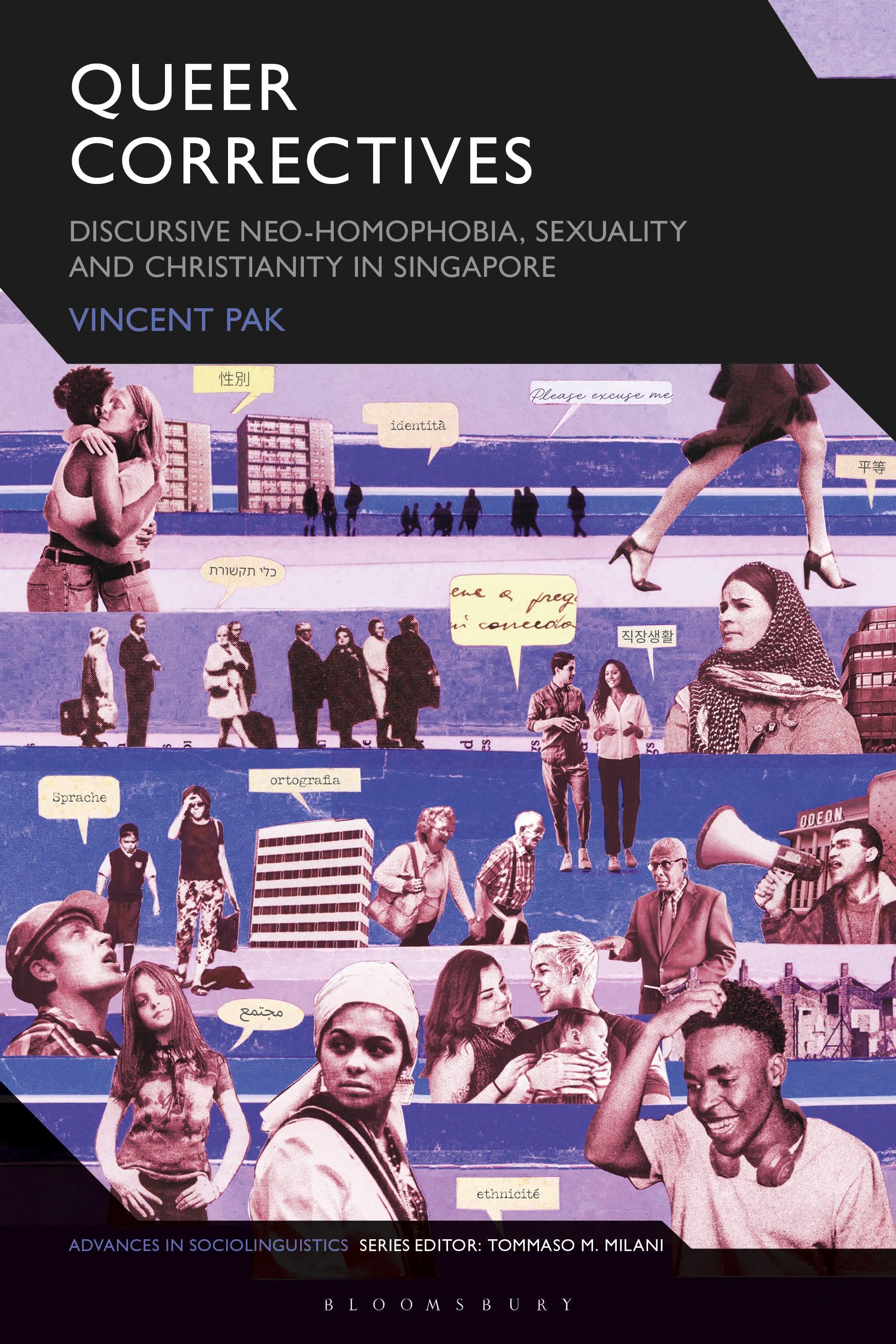
Queer Correctives explores Christian discourses of sex and sexuality in Singapore to argue that metanoia, the theological concept of spiritual transformation, can be read as a form of neo-homophobia that coaxes change in the queer individual.
In Singapore, Christian discourses of sex and sexuality have materialised in the form of testimonials that detail the pain and suffering of homosexuality, and how Christianity has been a salve for the tribulations experienced by the storytellers. This book freshly engages with Michel Foucault's posthumous and final volume of The History of Sexuality by revitalising his work on biblical metanoia to understand it as a form of neo-homophobia. Drawing on Foucauldian critical theory and approaches in discourse studies, it shows how language is at the centre of this particular iteration of neo-homophobia, one that no longer finds value in overt expressions of hate and disdain for those with non-normative sexualities, but relies extensively on seemingly neutral calls for change and transformation in personal lives.
Queer Correctives takes Singapore as a case study to examine neo-homophobic phenomena, but its themes of change and transformation embedded in discourse will be relevant for scholars interested in contemporary iterations of Foucault's concepts of discipline and technologies of the self. Together with interview data from religious sexual minorities in Singapore, it captures a burgeoning form of homophobic discursive practices that eludes mainstream criticism to harm through change and transformation.
In Singapore, Christian discourses of sex and sexuality have materialised in the form of testimonials that detail the pain and suffering of homosexuality, and how Christianity has been a salve for the tribulations experienced by the storytellers. This book freshly engages with Michel Foucault's posthumous and final volume of The History of Sexuality by revitalising his work on biblical metanoia to understand it as a form of neo-homophobia. Drawing on Foucauldian critical theory and approaches in discourse studies, it shows how language is at the centre of this particular iteration of neo-homophobia, one that no longer finds value in overt expressions of hate and disdain for those with non-normative sexualities, but relies extensively on seemingly neutral calls for change and transformation in personal lives.
Queer Correctives takes Singapore as a case study to examine neo-homophobic phenomena, but its themes of change and transformation embedded in discourse will be relevant for scholars interested in contemporary iterations of Foucault's concepts of discipline and technologies of the self. Together with interview data from religious sexual minorities in Singapore, it captures a burgeoning form of homophobic discursive practices that eludes mainstream criticism to harm through change and transformation.
Pages: 192
Category: Kultur-, Genus- & Postkoloniala studier
e-ISBN: 9781350454163
Shipping weight: 1.2 kg
Ships in: 1-2 days
Pay easily by card, Klarna, Apple Pay or Google Pay. Not happy? You always have a 14-day money-back guarantee. Read more in our terms. If you have any questions, email us at hello@memmo.org.
Memmo makes studying easier – wherever you are in the world. We bring your course books and smart study tools together in one place: summaries, quizzes, podcasts and flashcards. Plus Ted, your study buddy who answers anything you wonder. Over 50,000 students already study here – built to help you learn faster and stress less.