
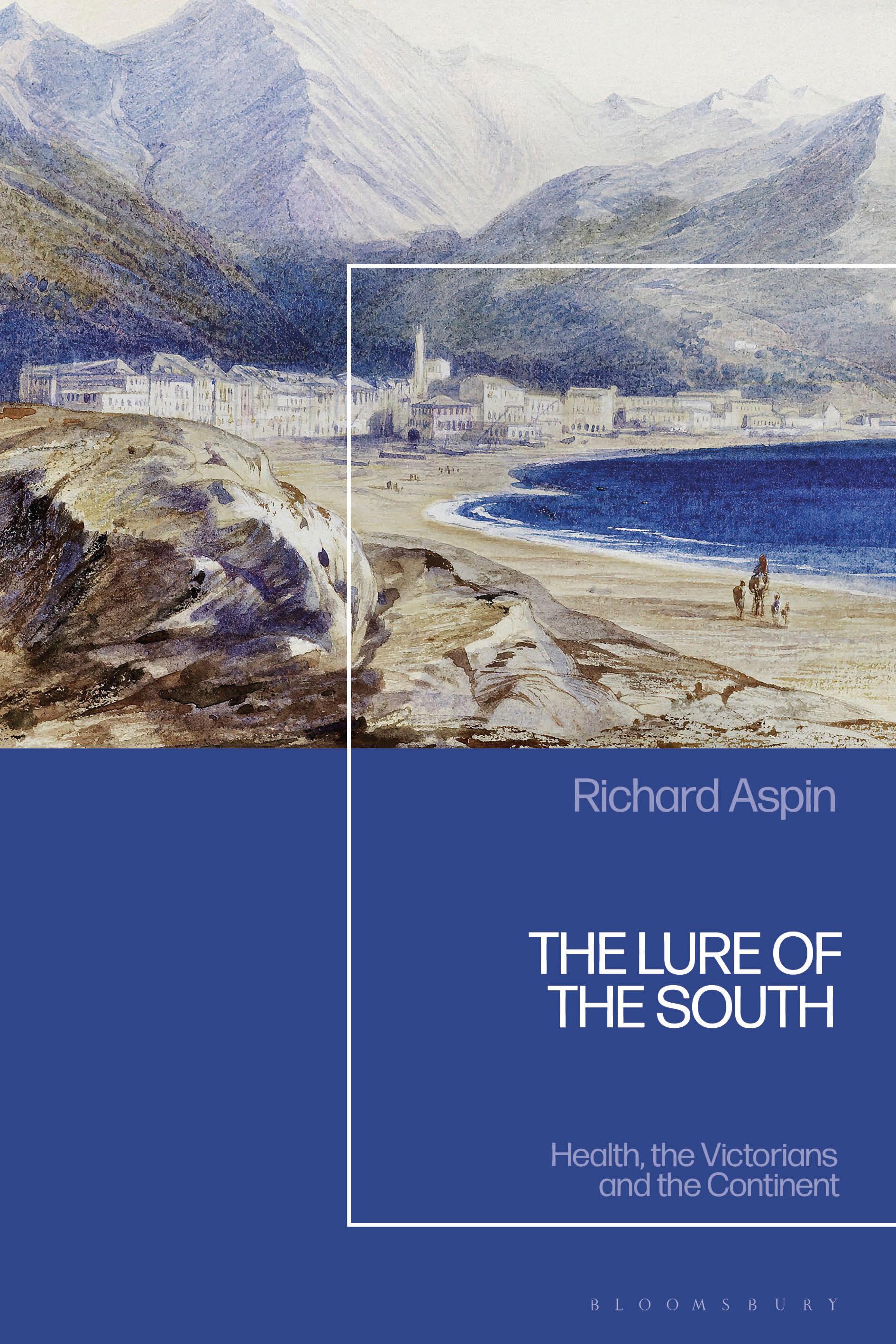
The Lure of the South looks at the experience of British health seekers in the explosion of continental touring that occurred after the opening of the Post-Napoleonic European continent to relatively easy access. These people ranged from the genuinely ill – some even on the verge of death – to the merely overworked or ill at ease. It examines why they went, where and how; who advised and guided them; how they lived (and sometimes died) when abroad; and finally the influence they had on the wider development of European tourism and tourist resorts.
Considering health tourism as an integral part of the wider phenomenon of foreign touring and travel, it surveys a wide range of concerns that exercised expatriate patients and their companions on the Continent beyond merely their health – concerns that were informed by the social and cultural baggage they brought with them. The overarching theme of the book therefore is to use health as a lens through which to examine Victorian society in all its complexity, and how it interacted with the continental cultures that it came to reside within.
Drawing from unpublished archival sources, especially correspondence and diaries from family papers, Aspin reveals the sacrifices and culture shocks of patients and their families, the feuds and interests they brought with them, and above all the reality of the delusion of climatotherapy, a promise of a cure that somehow remained forever out of reach.
Considering health tourism as an integral part of the wider phenomenon of foreign touring and travel, it surveys a wide range of concerns that exercised expatriate patients and their companions on the Continent beyond merely their health – concerns that were informed by the social and cultural baggage they brought with them. The overarching theme of the book therefore is to use health as a lens through which to examine Victorian society in all its complexity, and how it interacted with the continental cultures that it came to reside within.
Drawing from unpublished archival sources, especially correspondence and diaries from family papers, Aspin reveals the sacrifices and culture shocks of patients and their families, the feuds and interests they brought with them, and above all the reality of the delusion of climatotherapy, a promise of a cure that somehow remained forever out of reach.
Pay easily by card, Klarna, Apple Pay or Google Pay. Not happy? You always have a 14-day money-back guarantee. Read more in our terms. If you have any questions, email us at hello@memmo.org.
Memmo makes studying easier – wherever you are in the world. We bring your course books and smart study tools together in one place: summaries, quizzes, podcasts and flashcards. Plus Ted, your study buddy who answers anything you wonder. Over 75,000 students already study here – built to help you learn faster and stress less.