
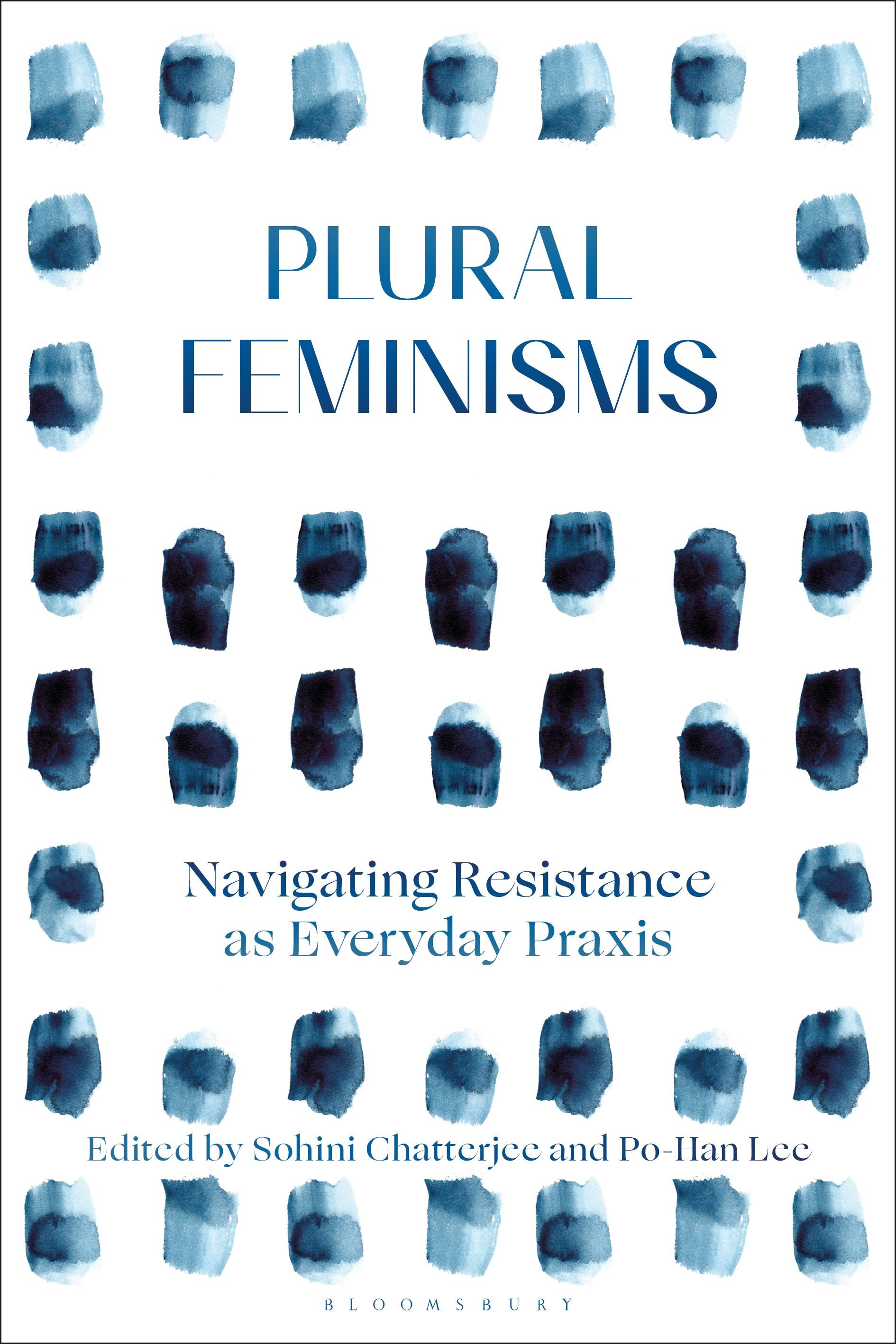
Drawing on different understandings of feminisms, this volume archives the ways in which we engage with feminisms and imagine the mundane as a feminist site of resistance against multiple and intersectional marginalisation and oppression. How individual subjects come to their feminist praxis through autoethnographic and other qualitative accounts, and how they offer resistant and decolonial strategies via reflection on their lived and embodied realities.
Plural Feminisms spurs a discussion on how structural violence is identified and resisted, and the invisible and emotional labour that goes on behind this resistance. The book documents the resistance strategies feminists employ on a daily basis to survive, and to form and sustain dissident kinships, that remain unread, unheard, overlooked, and excluded from dominant discourses of being and becoming. Through autoethnography, feminist, queer and/or trans and genderqueer, indigenous, Black and racialised, disabled and neurodivergent scholars in the academy reflect on their engagement with feminisms as well as their unique resistance methods-embracing and exploring complexities and challenges that both entail. It foregrounds the critical importance of first-person narratives in developing an expansive understanding of what it means to be a feminist, the different narratives and forms that resistance takes, and the socio-cultural value of subversion.
Plural Feminisms spurs a discussion on how structural violence is identified and resisted, and the invisible and emotional labour that goes on behind this resistance. The book documents the resistance strategies feminists employ on a daily basis to survive, and to form and sustain dissident kinships, that remain unread, unheard, overlooked, and excluded from dominant discourses of being and becoming. Through autoethnography, feminist, queer and/or trans and genderqueer, indigenous, Black and racialised, disabled and neurodivergent scholars in the academy reflect on their engagement with feminisms as well as their unique resistance methods-embracing and exploring complexities and challenges that both entail. It foregrounds the critical importance of first-person narratives in developing an expansive understanding of what it means to be a feminist, the different narratives and forms that resistance takes, and the socio-cultural value of subversion.
Pages: 272
Category: Kultur-, Genus- & Postkoloniala studier
e-ISBN: 9781350332720
Shipping weight: 1.2 kg
Ships in: 1-2 days
Pay easily by card, Klarna, Apple Pay or Google Pay. Not happy? You always have a 14-day money-back guarantee. Read more in our terms. If you have any questions, email us at hello@memmo.org.
Memmo makes studying easier – wherever you are in the world. We bring your course books and smart study tools together in one place: summaries, quizzes, podcasts and flashcards. Plus Ted, your study buddy who answers anything you wonder. Over 50,000 students already study here – built to help you learn faster and stress less.