
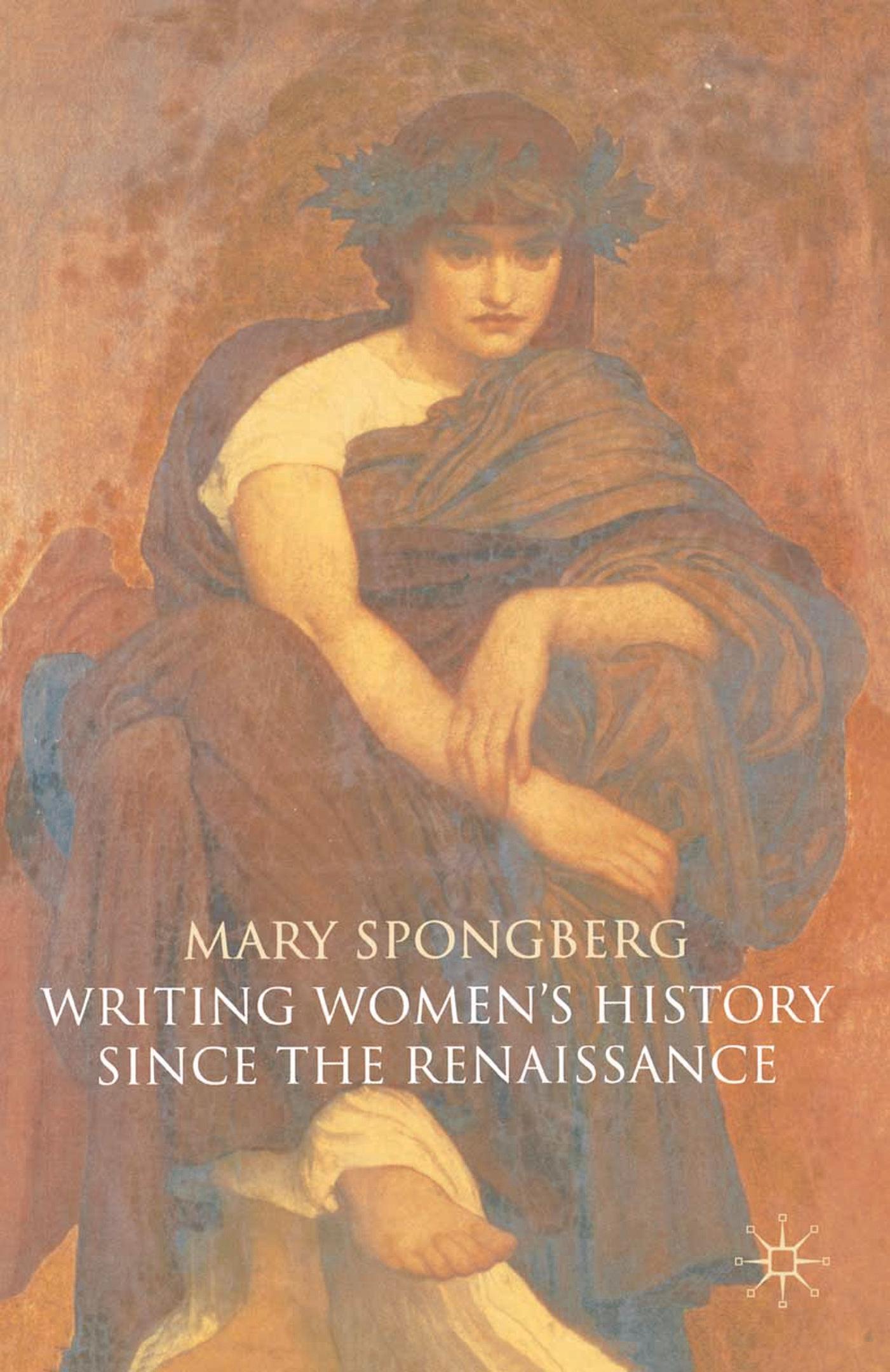
The complaint of Catherine Morland in Jane Austen's Northanger Abbey, that history has 'hardly any women at all' is not an uncommon one. Yet there is evidence to suggest that women have engaged in historical writing since ancient times.
This study traces the history of women's historical writing, reclaiming the lives of individual women historians, recovering women's historical writings from the past and focusing on how gender has shaped the genre of history. Mary Spongberg brings together for the first time an extensive survey of the progress of women's historical writing from the Renaissance to the present, demonstrating the continuities between women's historical writings in the past and the development of a distinctly woman-centred historiography.
Writing Women's History since the Renaissance also examines the relationship between women's history and the development of feminist consciousness, suggesting that the study of history has alerted women to their unequal status and enabled them to use history to achieve women's rights. Whether feminist or anti-feminist, women who have had their historical writings published have served as role models for women seeking a voice in the public sphere and have been instrumental in encouraging the growth of a feminist discourse.
This study traces the history of women's historical writing, reclaiming the lives of individual women historians, recovering women's historical writings from the past and focusing on how gender has shaped the genre of history. Mary Spongberg brings together for the first time an extensive survey of the progress of women's historical writing from the Renaissance to the present, demonstrating the continuities between women's historical writings in the past and the development of a distinctly woman-centred historiography.
Writing Women's History since the Renaissance also examines the relationship between women's history and the development of feminist consciousness, suggesting that the study of history has alerted women to their unequal status and enabled them to use history to achieve women's rights. Whether feminist or anti-feminist, women who have had their historical writings published have served as role models for women seeking a voice in the public sphere and have been instrumental in encouraging the growth of a feminist discourse.
Pages: 308
Category: Kultur-, Genus- & Postkoloniala studier
e-ISBN: 9781350317505
Shipping weight: 1.2 kg
Ships in: 1-2 days
Pay easily by card, Klarna, Apple Pay or Google Pay. Not happy? You always have a 14-day money-back guarantee. Read more in our terms. If you have any questions, email us at hello@memmo.org.
Memmo makes studying easier – wherever you are in the world. We bring your course books and smart study tools together in one place: summaries, quizzes, podcasts and flashcards. Plus Ted, your study buddy who answers anything you wonder. Over 50,000 students already study here – built to help you learn faster and stress less.