
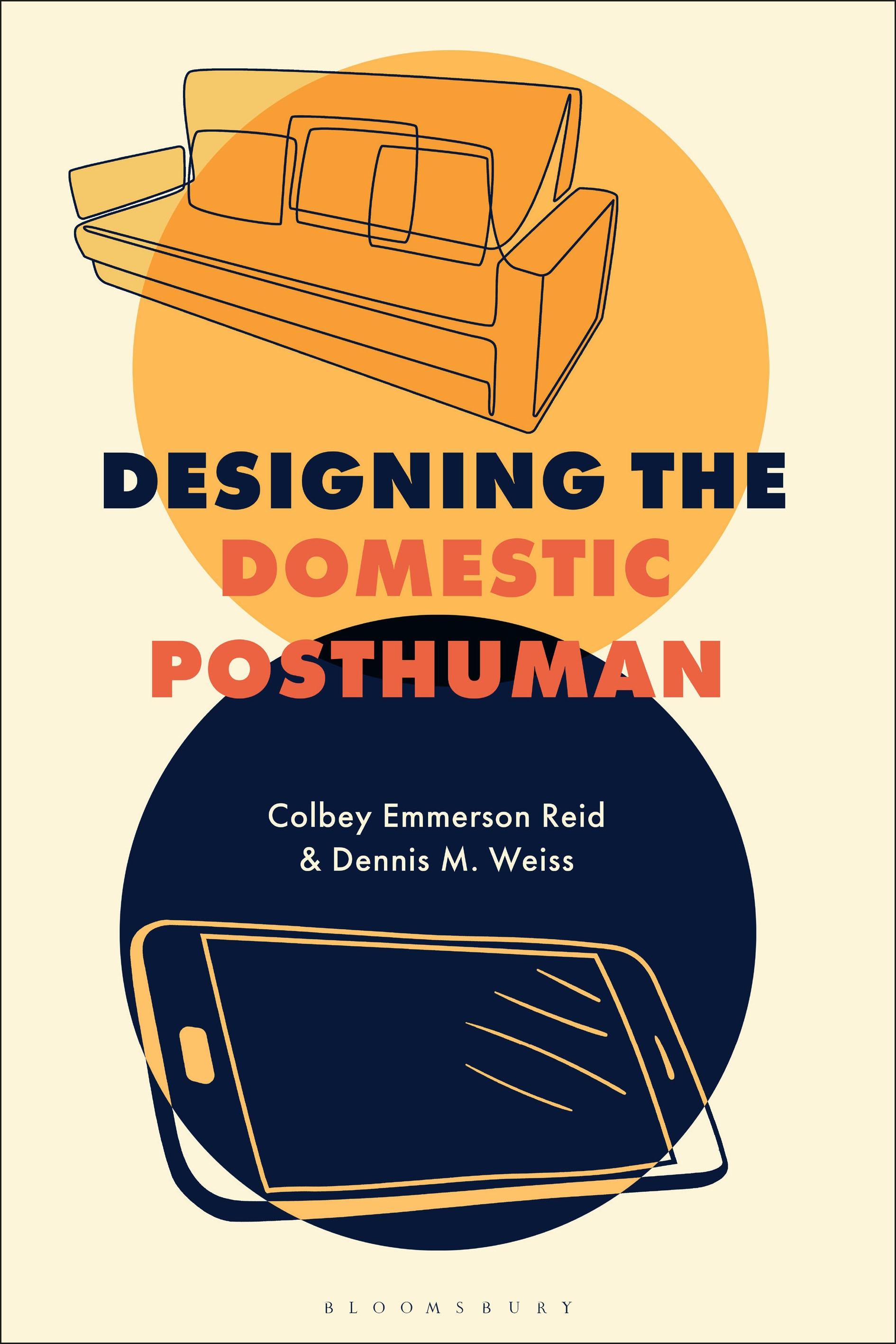
Ever since TIME magazine's 1983 'Man of the Year' was the PC, we have been led to believe that our domestic spaces have been colonized by digital technology. Too little attention has been paid to the domestic spaces and inhabitants impacted by this, and critical posthumanism has been captured by a picture of humanity overly indebted to digital technologies and their largely male progenitors. By applying feminist theory to posthumanism, this work recovers the plethora of sophisticated human-technology mediations associated with the home and practiced primarily by women, the elderly, infants, the disabled and across cultures globally, challenging dominant, contemporary visions of a future humanity.
Authors Dennis M. Weiss and Colbey Emmerson Reid look at various iterations of the posthuman and assert the need for alternative, feminist readings that emphasize different standpoints from which to assess people, places, and products. Chapters address the impact of posthumanism on design theory and look at familiar domestic objects, with different attributes from those typically affiliated with technology and the future, such as clothing, textiles, ceramics, furniture and wallpaper. They reveal their unhomely, extra-human qualities and offer a much-needed perspective on domestic spaces and practices, revivifying the home as a site of species transformation and pushing beyond traditional understandings of person, mothering, families and care-giving to highlight a range of critically-overlooked mediated materialisms and embodiments affiliated with domestic space.
By focusing on the neglected intersection of the posthuman with the home and exploring domestic posthuman design, Designing the Domestic Posthuman offers a vision of a future humanity that retains identity, integrity and considers our relationship to others, to the world and things in it. This book widens the lens of critical focus in posthumanism, feminist philosophy and design and presents an alternative, inclusive design framework for the future.
Authors Dennis M. Weiss and Colbey Emmerson Reid look at various iterations of the posthuman and assert the need for alternative, feminist readings that emphasize different standpoints from which to assess people, places, and products. Chapters address the impact of posthumanism on design theory and look at familiar domestic objects, with different attributes from those typically affiliated with technology and the future, such as clothing, textiles, ceramics, furniture and wallpaper. They reveal their unhomely, extra-human qualities and offer a much-needed perspective on domestic spaces and practices, revivifying the home as a site of species transformation and pushing beyond traditional understandings of person, mothering, families and care-giving to highlight a range of critically-overlooked mediated materialisms and embodiments affiliated with domestic space.
By focusing on the neglected intersection of the posthuman with the home and exploring domestic posthuman design, Designing the Domestic Posthuman offers a vision of a future humanity that retains identity, integrity and considers our relationship to others, to the world and things in it. This book widens the lens of critical focus in posthumanism, feminist philosophy and design and presents an alternative, inclusive design framework for the future.
Pages: 208
Category: Kultur-, Genus- & Postkoloniala studier
e-ISBN: 9781350301214
Shipping weight: 1.2 kg
Ships in: 1-2 days
Pay easily by card, Klarna, Apple Pay or Google Pay. Not happy? You always have a 14-day money-back guarantee. Read more in our terms. If you have any questions, email us at hello@memmo.org.
Memmo makes studying easier – wherever you are in the world. We bring your course books and smart study tools together in one place: summaries, quizzes, podcasts and flashcards. Plus Ted, your study buddy who answers anything you wonder. Over 50,000 students already study here – built to help you learn faster and stress less.