
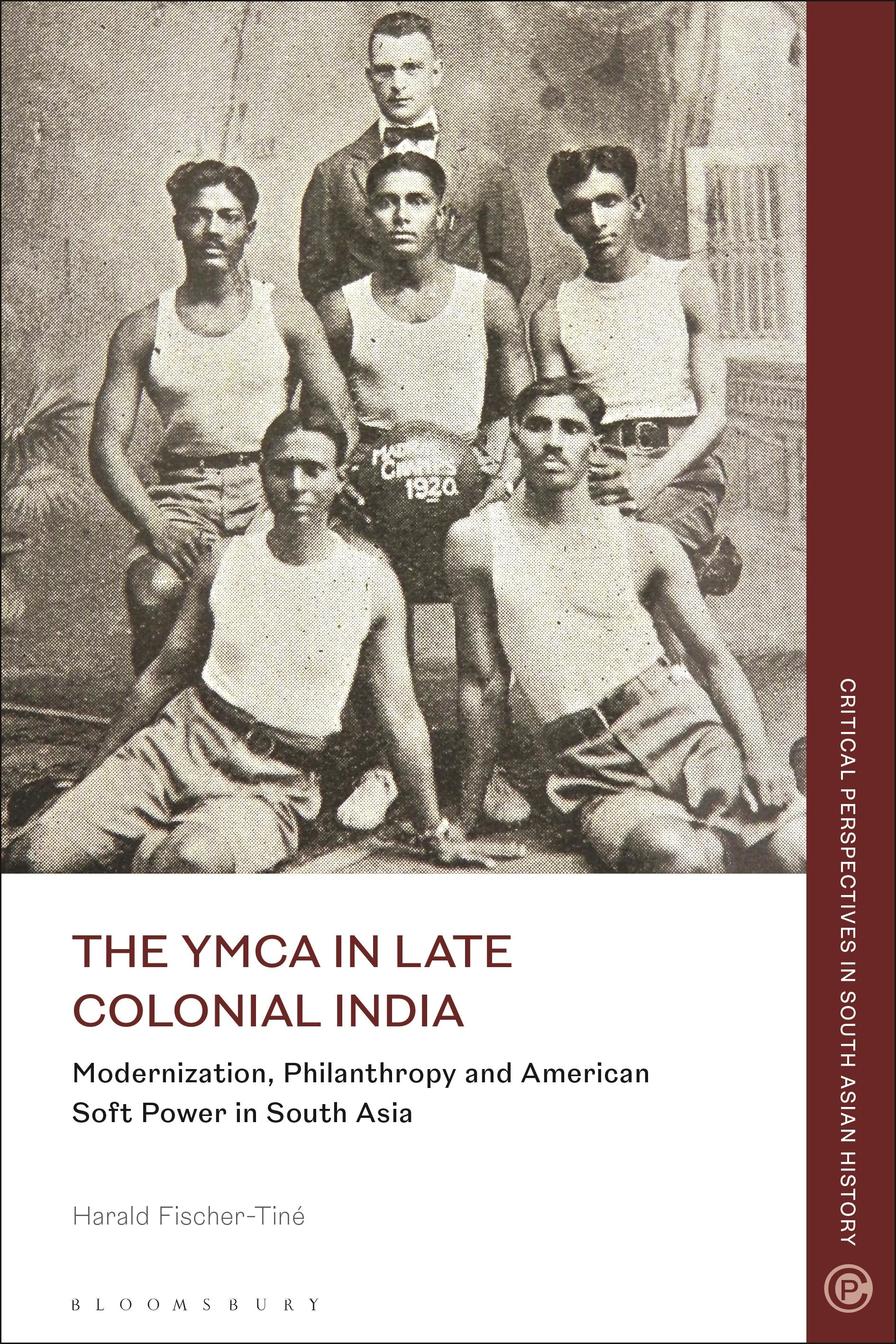
This book explores the history and agendas of the Young Men's Christian Association (YMCA) through its activities in South Asia. Focusing on interactions between American 'Y' workers and the local population, representatives of the British colonial state, and a host of international actors, it assesses their impact on the making of modern India. In turn, it shows how the knowledge and experience acquired by the Y in South Asia had a significant impact on US foreign policy, diplomacy and development programs in the region from the mid-1940s.
Exploring the 'secular' projects launched by the YMCA such as new forms of sport, philanthropic efforts and educational endeavours, The YMCA in Late Colonial India addresses broader issues about the persistent role of religion in global modernization processes, the accumulation of American soft power in Asia, and the entanglement of American imperialism with other colonial empires. It provides an unusually rich case study to explore how 'global civil society' emerged in the late 19th and early 20th centuries, how it related to the prevailing imperial world order, and how cultural specificities affected the ways in which it unfolded.
Offering fresh perspectives on the historical trajectories of America's 'moral empire', Christian internationalism and the history of international organizations more broadly, this book also gives an insight into the history of South Asia during an age of colonial reformism and decolonization. It shows how international actors contributed to the shaping of South Asia's modernity at this crucial point, and left a lasting legacy in the region.
Exploring the 'secular' projects launched by the YMCA such as new forms of sport, philanthropic efforts and educational endeavours, The YMCA in Late Colonial India addresses broader issues about the persistent role of religion in global modernization processes, the accumulation of American soft power in Asia, and the entanglement of American imperialism with other colonial empires. It provides an unusually rich case study to explore how 'global civil society' emerged in the late 19th and early 20th centuries, how it related to the prevailing imperial world order, and how cultural specificities affected the ways in which it unfolded.
Offering fresh perspectives on the historical trajectories of America's 'moral empire', Christian internationalism and the history of international organizations more broadly, this book also gives an insight into the history of South Asia during an age of colonial reformism and decolonization. It shows how international actors contributed to the shaping of South Asia's modernity at this crucial point, and left a lasting legacy in the region.
Pages: 312
Category: Kultur-, Genus- & Postkoloniala studier
e-ISBN: 9781350275300
Shipping weight: 1.2 kg
Ships in: 1-2 days
Pay easily by card, Klarna, Apple Pay or Google Pay. Not happy? You always have a 14-day money-back guarantee. Read more in our terms. If you have any questions, email us at hello@memmo.org.
Memmo makes studying easier – wherever you are in the world. We bring your course books and smart study tools together in one place: summaries, quizzes, podcasts and flashcards. Plus Ted, your study buddy who answers anything you wonder. Over 50,000 students already study here – built to help you learn faster and stress less.