
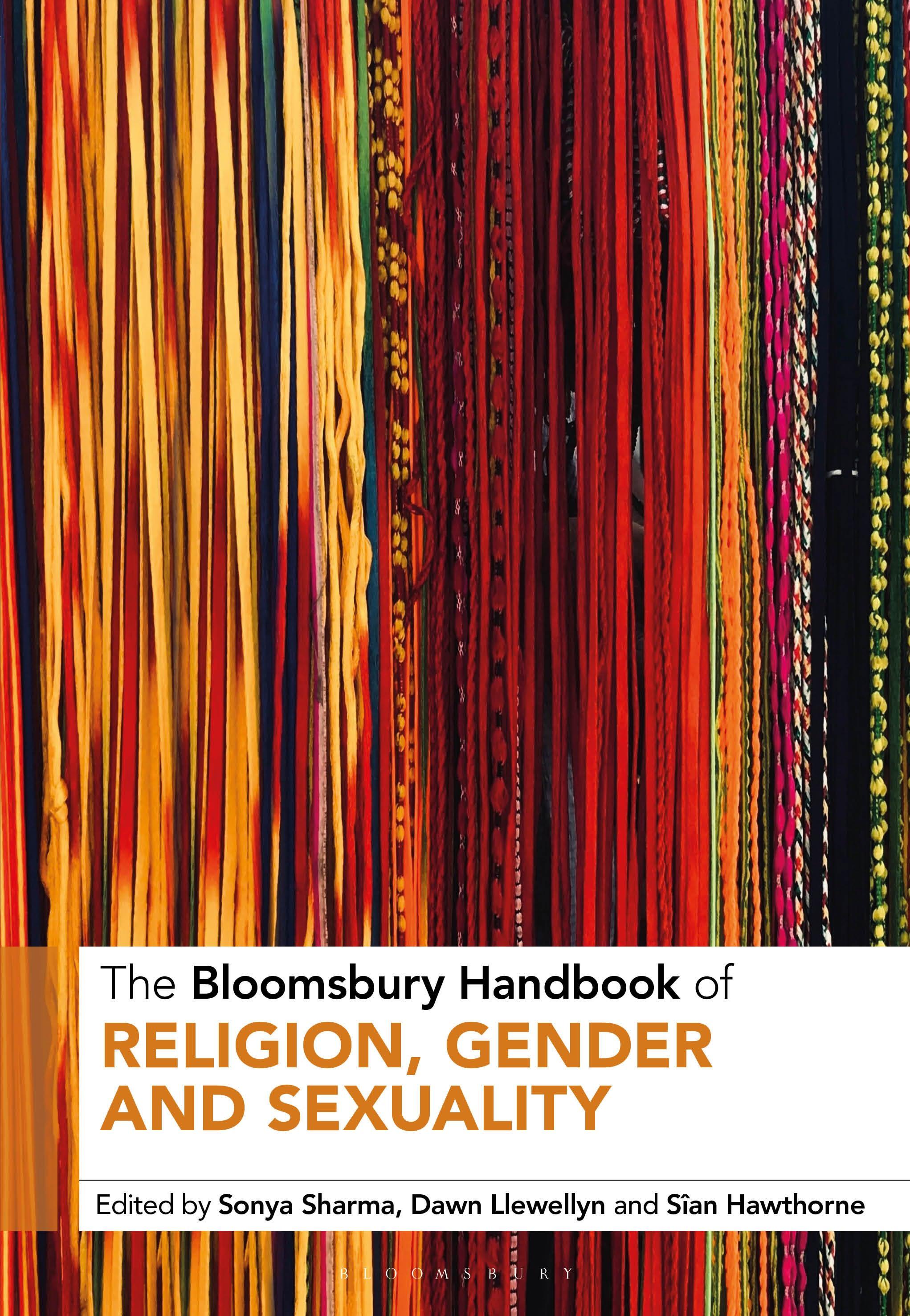
Bringing together disciplines across the arts, humanities and social sciences, this Handbook presents novel and lively examinations of the dynamic ways religion, gender and sexuality operate.
Applying feminist, intersectional, and reflexive approaches, the volume aims to loosen imperialist and exclusionary figurations that have underwritten and tethered religion, gender, and sexuality together. While holding onto the field of inquiry, the Handbook offers contributions that interrogate and untie it from the terms and conditions that have formed it.
The volume is organized into thematic sections:
- Forces and Futures
- Activisms and Labors
- Agencies and Practices
- Relationships and Institutions
- Texts and Objects
Chapters range across religious, geographical, historical, political, and social contexts and feature an array of case-studies, experiences, and topics that exemplify the reflexive intention of the volume, including explorations of race, whiteness, colonialism, and the institutional intolerance of minority groups. Contributors also advance new areas of research in religion including artificial intelligence, farming, migrant mothering, child sexual abuse, mediatization, national security, legal frameworks, addiction and recovery, decolonial hermeneutics, creative arts, sport, sexual practices, and academic friendship. This is an essential contribution to the fields of religious studies and gender and sexuality studies.
Applying feminist, intersectional, and reflexive approaches, the volume aims to loosen imperialist and exclusionary figurations that have underwritten and tethered religion, gender, and sexuality together. While holding onto the field of inquiry, the Handbook offers contributions that interrogate and untie it from the terms and conditions that have formed it.
The volume is organized into thematic sections:
- Forces and Futures
- Activisms and Labors
- Agencies and Practices
- Relationships and Institutions
- Texts and Objects
Chapters range across religious, geographical, historical, political, and social contexts and feature an array of case-studies, experiences, and topics that exemplify the reflexive intention of the volume, including explorations of race, whiteness, colonialism, and the institutional intolerance of minority groups. Contributors also advance new areas of research in religion including artificial intelligence, farming, migrant mothering, child sexual abuse, mediatization, national security, legal frameworks, addiction and recovery, decolonial hermeneutics, creative arts, sport, sexual practices, and academic friendship. This is an essential contribution to the fields of religious studies and gender and sexuality studies.
Pay easily by card, Klarna, Apple Pay or Google Pay. Not happy? You always have a 14-day money-back guarantee. Read more in our terms. If you have any questions, email us at hello@memmo.org.
Memmo makes studying easier – wherever you are in the world. We bring your course books and smart study tools together in one place: summaries, quizzes, podcasts and flashcards. Plus Ted, your study buddy who answers anything you wonder. Over 50,000 students already study here – built to help you learn faster and stress less.