
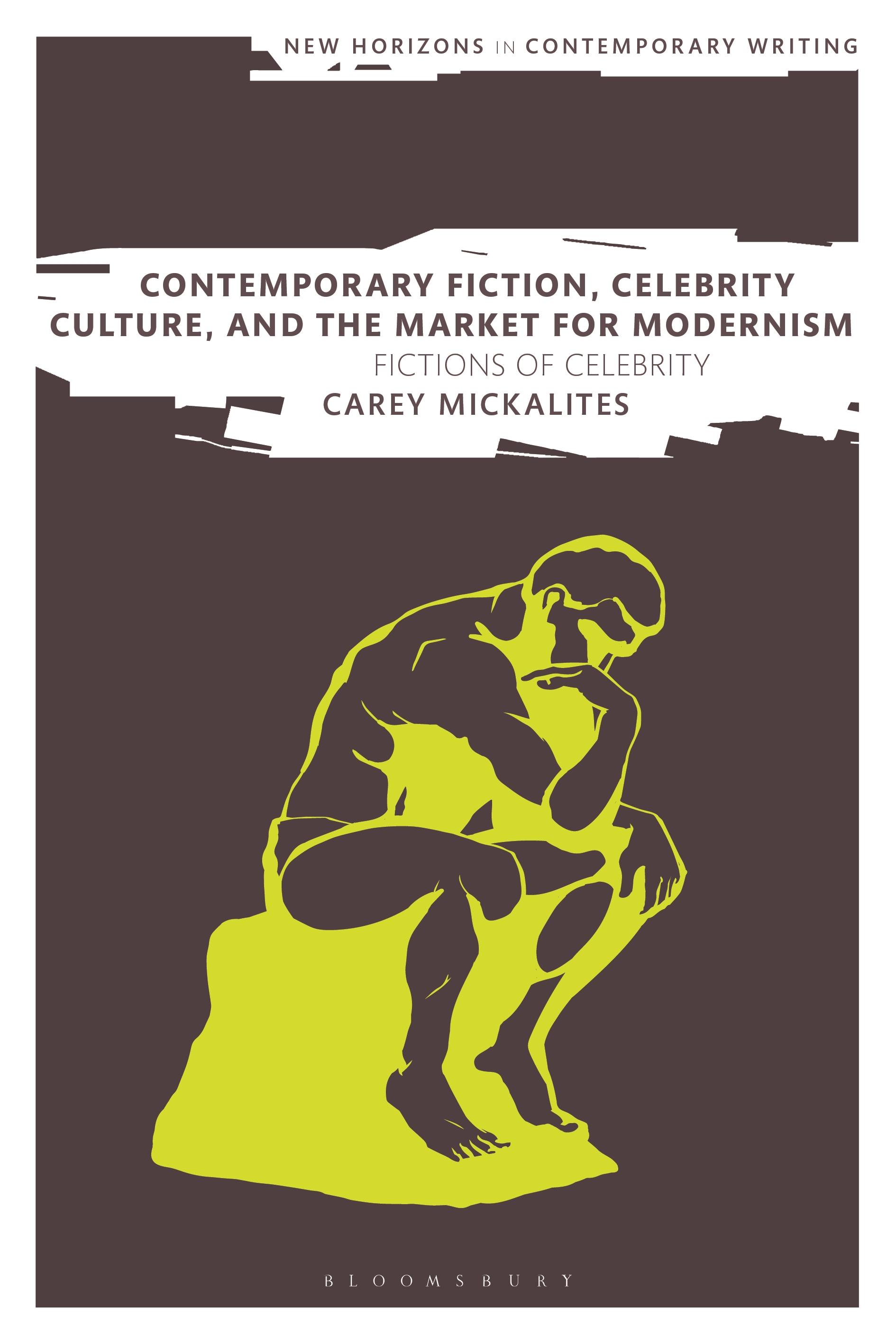
Arguing that contemporary celebrity authors like Zadie Smith, Ian McEwan, Martin Amis, Kazuo Ishiguro, Salman Rushdie, Eimear McBride and Anna Burns position their work and public personae within a received modernist canon to claim and monetize its cultural capital in the lucrative market for literary fiction, this book also shows how the corporate conditions of marketing and branding have redefined older models of literary influence and innovation.
It contributes to a growing body of criticism focused on contemporary literature as a field in which the formal and stylistic experimentation that came to define a canon of early 20th-century modernism has been renewed, contested, and revised. Other critics have celebrated these renewals, variously arguing that contemporary literature picks up on modernism's unfinished aesthetic revolutions in ways that have expanded the imaginative possibilities for fiction and revived questions of literary autonomy in the wake of postmodern nihilism. While this is a compelling thesis, and one that rightly questions an artificial and problematic periodization that still lingers in academic criticism, those approaches generally fail to address the material conditions that structure literary production and the generation of cultural capital, whether in the historical development of modernism or its contemporary permutations. This book addresses this absence by proposing a materialist history of modernism's afterlives.
It contributes to a growing body of criticism focused on contemporary literature as a field in which the formal and stylistic experimentation that came to define a canon of early 20th-century modernism has been renewed, contested, and revised. Other critics have celebrated these renewals, variously arguing that contemporary literature picks up on modernism's unfinished aesthetic revolutions in ways that have expanded the imaginative possibilities for fiction and revived questions of literary autonomy in the wake of postmodern nihilism. While this is a compelling thesis, and one that rightly questions an artificial and problematic periodization that still lingers in academic criticism, those approaches generally fail to address the material conditions that structure literary production and the generation of cultural capital, whether in the historical development of modernism or its contemporary permutations. This book addresses this absence by proposing a materialist history of modernism's afterlives.
Pay easily by card, Klarna, Apple Pay or Google Pay. Not happy? You always have a 14-day money-back guarantee. Read more in our terms. If you have any questions, email us at hello@memmo.org.
Memmo makes studying easier – wherever you are in the world. We bring your course books and smart study tools together in one place: summaries, quizzes, podcasts and flashcards. Plus Ted, your study buddy who answers anything you wonder. Over 50,000 students already study here – built to help you learn faster and stress less.