
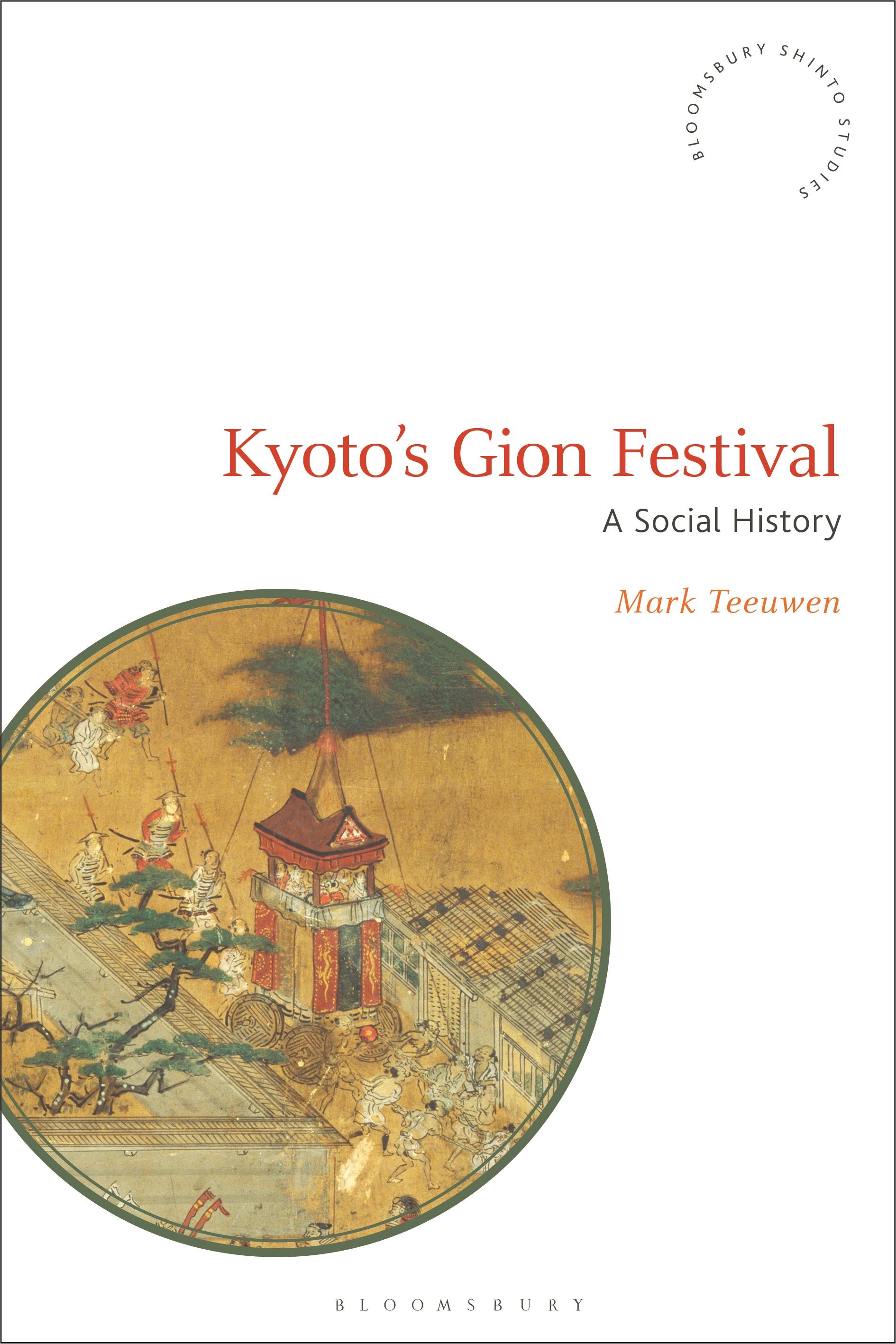
This book focuses on the long history of what is arguably the most prestigious and influential festival in Japan – Kyoto's Gion festival. It explores this history from the festival's origins in the late 10th century to its post-war revival, drawing on Japanese historical studies and archival materials as well as the author's participant observation fieldwork.
Exploring the social and political networks that have kept this festival alive for over a millennium, this book reveals how it has endured multiple reinventions. In particular, it identifies how at each historical juncture, different groups have found new purposes for the festival and adapted this costly enterprise to suit their own ends. The history of this festival not only sheds light on the development of Japanese festival culture as a whole, but also offers a window on Kyoto's history and provides a testing ground for recent festival theory.
Exploring the social and political networks that have kept this festival alive for over a millennium, this book reveals how it has endured multiple reinventions. In particular, it identifies how at each historical juncture, different groups have found new purposes for the festival and adapted this costly enterprise to suit their own ends. The history of this festival not only sheds light on the development of Japanese festival culture as a whole, but also offers a window on Kyoto's history and provides a testing ground for recent festival theory.
Pay easily by card, Klarna, Apple Pay or Google Pay. Not happy? You always have a 14-day money-back guarantee. Read more in our terms. If you have any questions, email us at hello@memmo.org.
Memmo makes studying easier – wherever you are in the world. We bring your course books and smart study tools together in one place: summaries, quizzes, podcasts and flashcards. Plus Ted, your study buddy who answers anything you wonder. Over 75,000 students already study here – built to help you learn faster and stress less.